Despite the challenges, trade between Egypt and Nigeria is growing.
Trade growth between Egypt and Nigeria
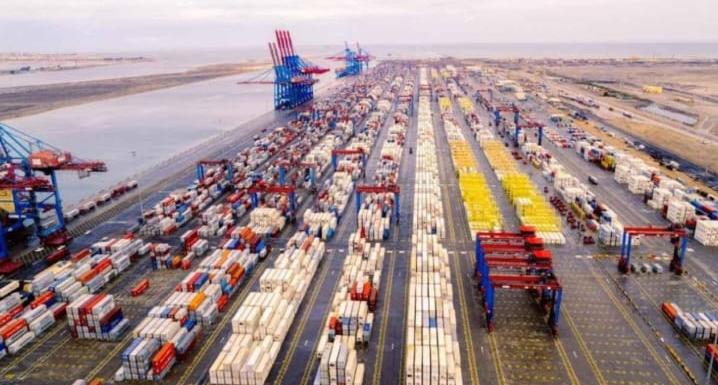
Written by: Mohammed Omran
Economic relations between Egypt andNigeria Trade has developed gradually in recent years, driven by official efforts to boost trade between the two largest economies in Africa by population, but the volume of trade is still below the level of potential available between the two countries.
Trade between Egypt and Nigeria grows despite the trade imbalance.
According to statements by Egyptian Foreign Minister Badr Abdel-Aty, the volume of trade exchange between Egypt and Nigeria increased from about $187 million in 2023 to about $315 million in 2024, achieving a growth rate of 68.45% in one year, which reflects an improvement in intra-regional trade.
As we enter 2026, official efforts continue between the two sides to support this upward trajectory, with a focus on increasing the volume of trade and diversifying exports within the framework of the African Continental Free Trade Area (AfCFTA).
In contrast, other published data indicates that the volume of trade reached about $211.2 million in 2023, while more recent estimates in 2025 recorded approximately $201.67 million for Egyptian exports to Nigeria, reflecting a discrepancy in the statistical figures due to the different monitoring sources, with the general trend remaining in the range of hundreds of millions of dollars.
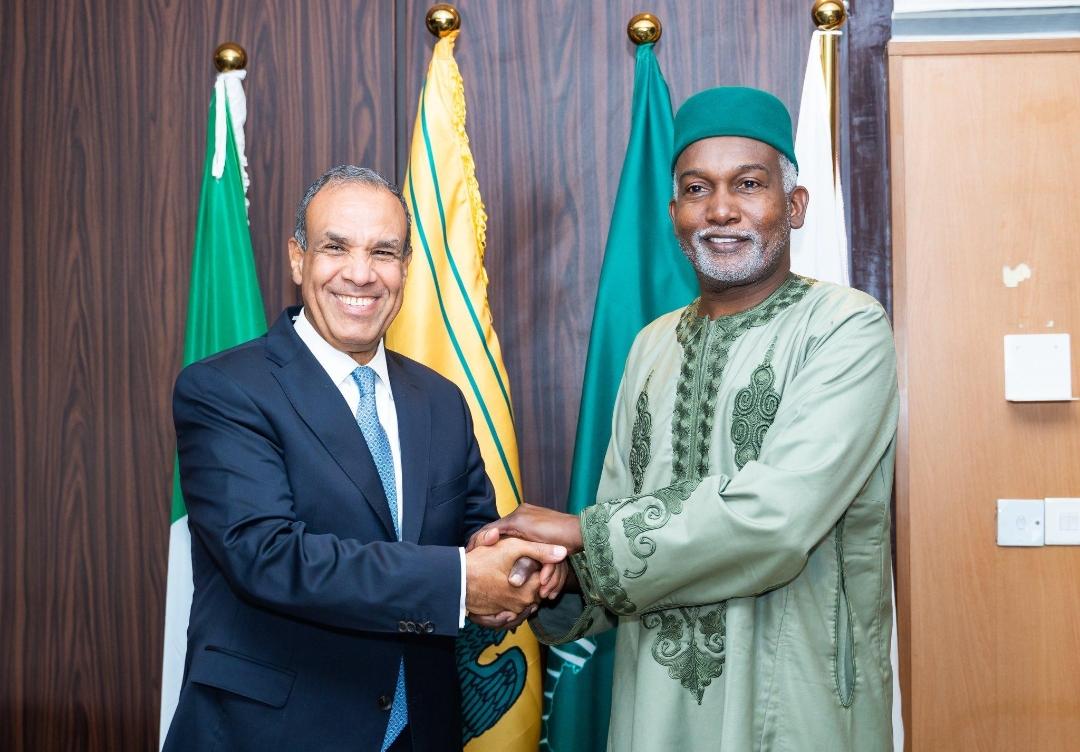
Promising opportunities to boost trade between Egypt and Nigeria within Africa
Recent data shows that the trade balance is clearly in Egypt’s favor, with its exports to Nigeria amounting to about $199 to $201 million, compared to Nigerian exports to Egypt estimated at about $12.9 to $106 million, depending on the year and data sources, which reflects a gap in the volume of trade between the two sides.
Egyptian exports to Nigeria range from a variety of industrial and consumer goods, most notably plastics, building materials, electrical appliances, food products, fuels and mineral oils, in addition to cosmetics, chemical products and manufacturing industries.
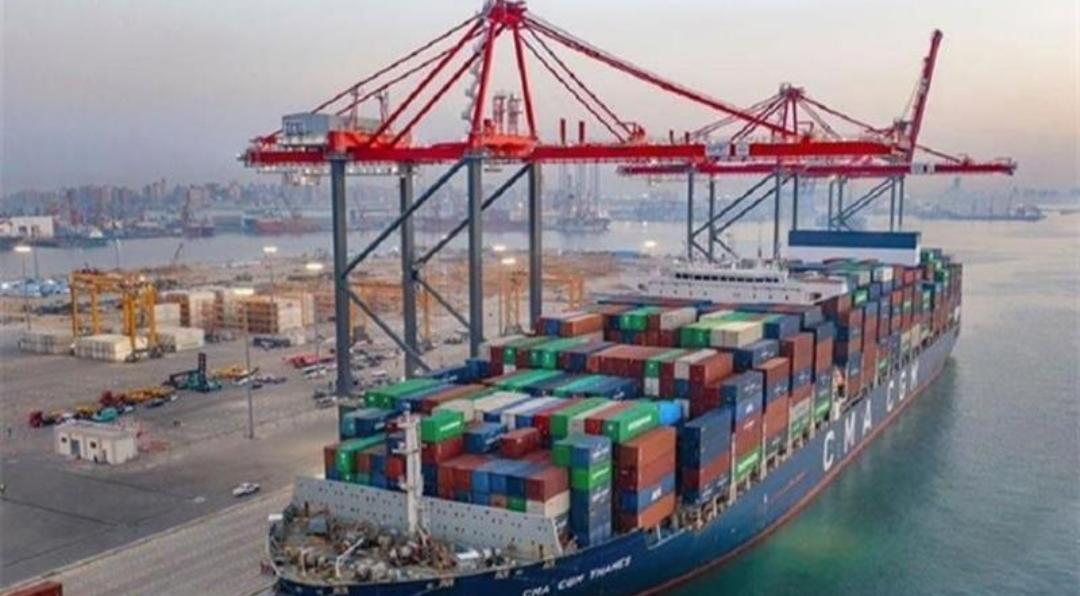
The trade volume between Egypt and Nigeria is in the hundreds of millions, with a clear gap.
Nigerian exports to Egypt are mainly concentrated on energy resources and raw materials, primarily natural gas, hydrocarbon gases, petroleum products, some agricultural materials and raw materials, with limited exports of industrial goods.
It is estimated that the current volume of trade does not reflect the actual economic potential of the two countries, given their membership in African economic blocs and the adoption of the African Continental Free Trade Agreement (AfCFTA) as a key framework for expanding intra-regional trade in the coming period.

Promising opportunities also emerge to enhance cooperation in the energy, pharmaceutical, agriculture, building materials, technology, and transportation sectors, which may contribute to increasing the volume of trade and achieving greater economic integration between Cairo and Abuja in the coming years.