A fuel price war ignites in Nigeria. Will gasoline prices fall below $0.60 per liter?
Price reduction mechanisms
Written by Omnia Hassan
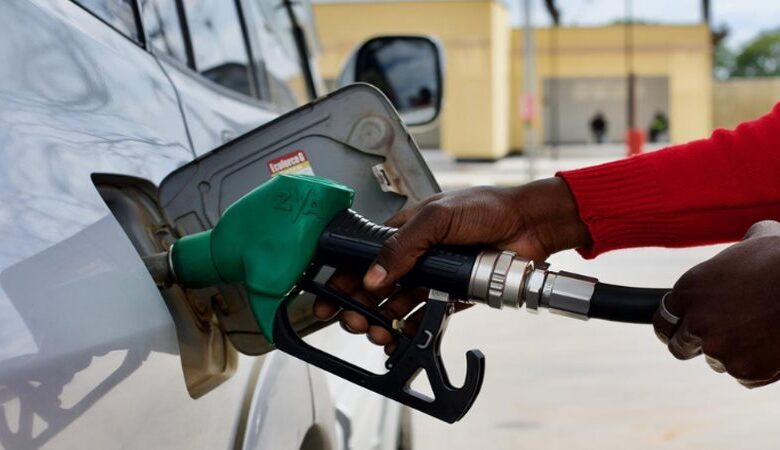
Nigeria's fuel market is entering a new phase of competition, after the government intensified its pressure on marketing companies to reduce gasoline prices, citing the significant drop in global crude oil prices.
In contrast, fuel marketers hinted at the possibility of the price per liter dropping below 800 naira, equivalent to around $0.58, if supply costs continue to decrease.
Government: Current prices do not reflect market reality
The Nigerian government has confirmed that current gasoline prices are no longer in line with the decline in Brent crude prices witnessed in recent months, stating that the decrease in oil cost should be directly reflected in consumers.
This came during a meeting that included the Ministry of Petroleum Resources, the Oil and Gas Sector Regulatory Authority, Dangote Refinery, alongside representatives from marketing companies, to discuss mechanisms for reducing prices and enhancing market competition.
Why isn't gasoline getting cheaper?
The Minister of State for Oil explained that gasoline prices rose rapidly when Brent crude exceeded $118 per barrel, while crude has currently fallen to about $71 per barrel, questioning the reasons for fuel prices not decreasing at the same pace.
In contrast, marketers justified the continuation of current prices by the existence of inventories purchased when oil prices were high. However, the government stressed the necessity for the lower cost of new shipments to be reflected in consumer selling prices.
Danjout Gives the Market a New Boost
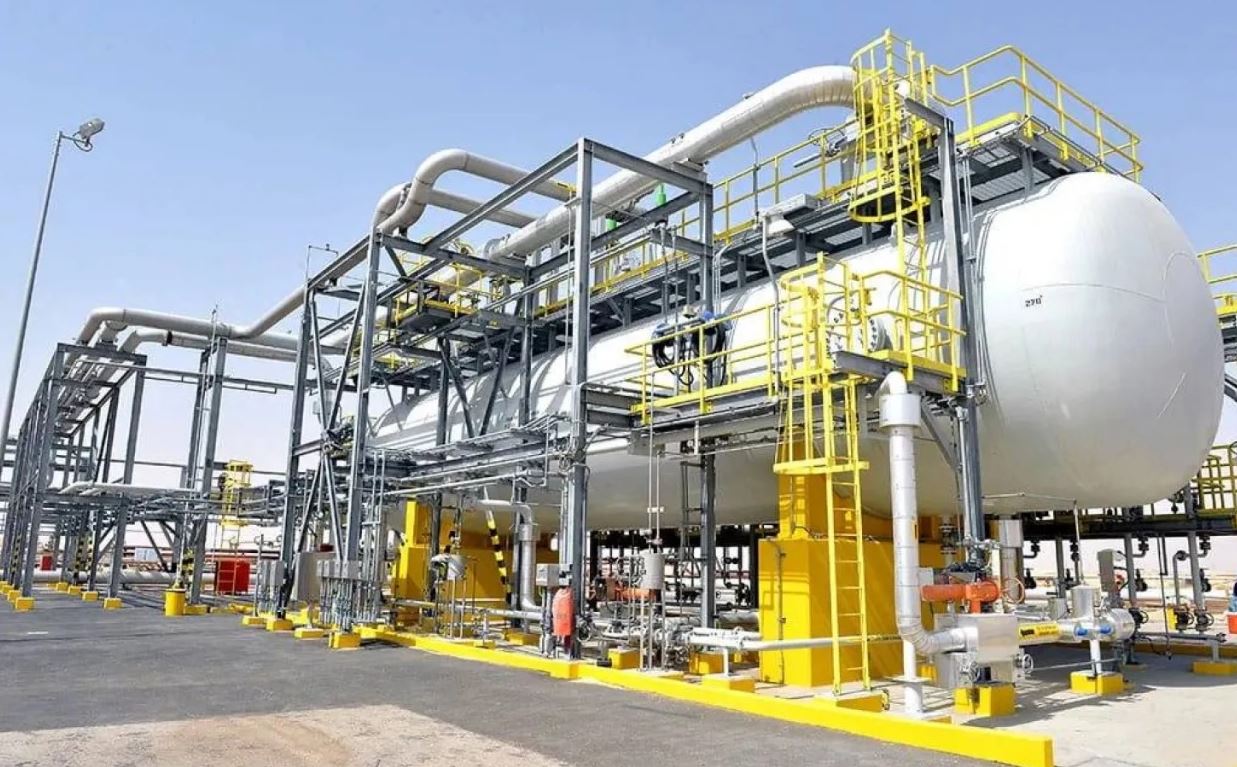
Observers believe that the Dangote refinery's commencement of direct fuel supply to independent marketers could mark a turning point in the Nigerian fuel market, as it contributes to reducing distribution costs and enhancing competition, which may lead to further reductions in the upcoming period.
The Independent Petroleum Marketers Association confirmed their readiness to lower prices to below 800 naira per liter if wholesale purchase prices continue to fall, while maintaining reasonable profit margins.
Broad economic impact
Fuel is one of Nigeria's most significant drivers of inflation, so any sustained decrease in its prices could positively impact transportation costs and the prices of food and essential commodities, as well as boost consumers' purchasing power and give Africa's largest economy a new impetus towards stability.
Markets are awaiting the results of consultations between the government and the private sector, in a real test of the liberalized fuel market's ability to pass on the gains from falling global oil prices to citizens.