Ghana's president begins official visit to Jamaica
To strengthen bilateral partnership and African cooperation
Written by Ziad Abdel Fattah:
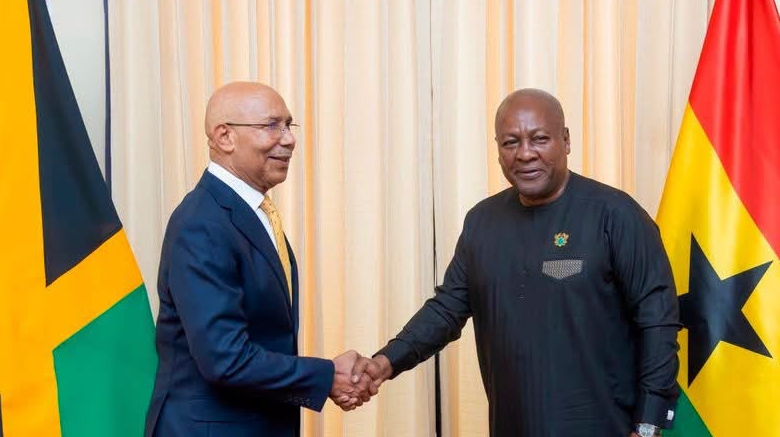
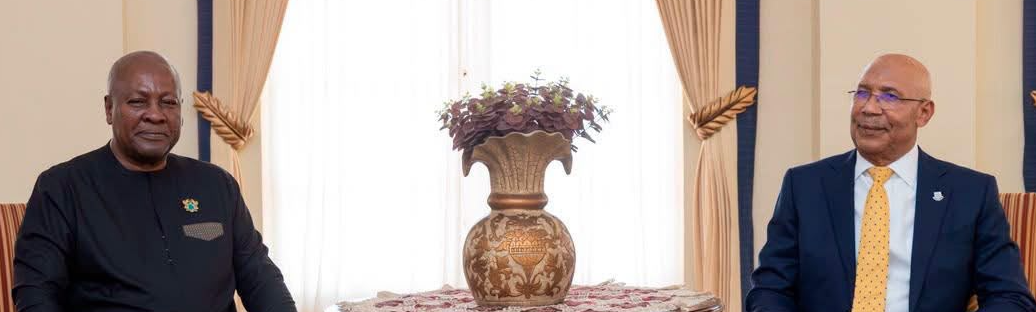
Ghanaian President John Dramani Mahama began his official visit to Jamaica With an official welcoming ceremony in the capital Kingston, followed by a meeting with the Governor-General of Jamaica, Sir Patrick Allen, at the official residence, “Kings House”.
The meeting emphasized the deep historical and cultural ties between Ghana and Jamaica, and explored ways to enhance bilateral cooperation in several areas of common interest, thereby expanding the prospects for partnership between the two countries.
Commitment to developing bilateral relations
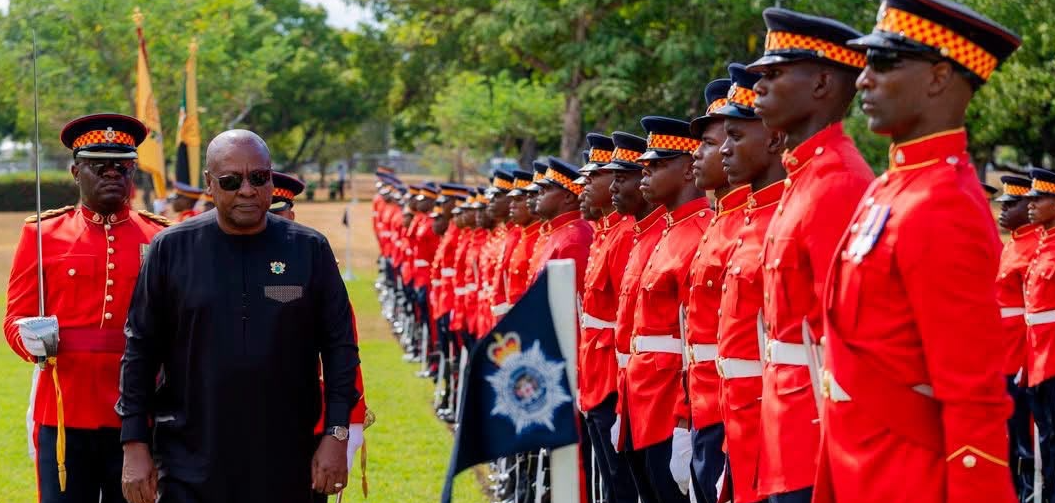
Both sides affirmed their commitment to developing bilateral relations and strengthening cooperation between African and Caribbean countries, in support of regional integration efforts and in service of common interests.
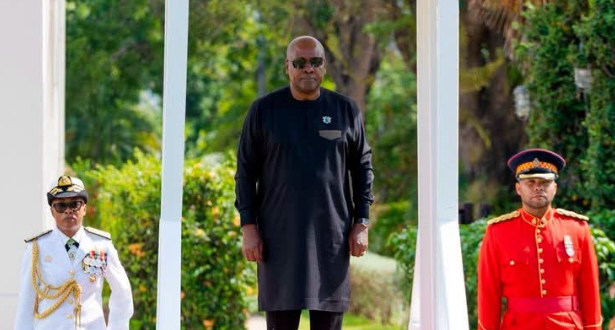
The visit of the Ghanaian president to Jamaica is a new step towards strengthening political, economic and cultural relations between the two countries, and reflects the keenness of both sides to build a stronger partnership between Africa and the Caribbean countries in various fields.
In another context, the partners of the Ghana Epidemics Response Fund project held their first annual review meeting in the capital, Accra, to assess progress made during the past year, discuss implementation challenges, share lessons learned, and agree on priority actions for the coming year.
The meeting was attended by representatives from the Ghana Health Service, the Directorate of Veterinary Services, the World Health Organization, and the Food and Agriculture Organization, along with other implementing partners working within the “One Health” approach to strengthen epidemic preparedness and response systems in the country.
The participants reviewed the progress made in implementing the project across three main technical axes, including strengthening laboratory systems, improving disease surveillance and early warning systems, and building qualified health personnel. They also discussed the most prominent achievements and obstacles, and reviewed practical solutions to improve coordination and accelerate the implementation of activities.
Key achievements during the past year included the development of training materials for emergency preparedness and response within the framework of the “One Health” approach, strengthening laboratory capabilities to improve the accuracy of diagnostic services, and training more than 200 human and animal health officials on skills for monitoring, early detection, and health emergency management.
The meeting also discussed key issues for the success of the project, including multi-sectoral cooperation, civil society engagement, and gender considerations, as well as monitoring progress in promoting health security in accordance with international evaluation frameworks, such as the Joint External Evaluation (JEE), the State Party Annual Self-Assessment Report (SPAR), and the Veterinary Services Performance Assessment (PVS).