Written by Omnia Hassan
As the date for the planned anti-immigrant protests on June 30 approaches, tensions are rising in South Africa Amid warnings of economic and social repercussions that could affect millions of workers and reflect negatively on the country's image within the African continent.
Union warnings to more than two million workers
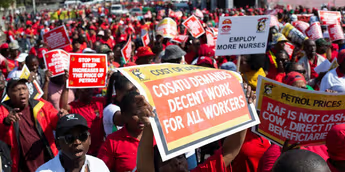
South Africa’s largest labor unions have issued direct warnings to workers against participating in the anticipated protests, stressing that being absent from work to join the demonstrations could deprive them of union protection and jeopardize their jobs.
The signatories of the warning include four of the country's leading trade unions, among them the Congress of South African Trade Unions (COSATU), which together represent more than two million workers. The unions stressed the need for employees to remain at their posts and not to engage in actions that could lead to professional or legal repercussions.
Ramaphosa: Immigrants are not the cause of the crises
Meanwhile, South African President Cyril Ramaphosa renewed his call not to blame immigrants for the economic and social challenges facing the country, including unemployment and declining public services.
The labor unions affirmed their support for the president's position, noting that excluding foreigners from workplaces or residential neighborhoods will not contribute to solving the structural problems that South Africa suffers from, such as weak economic growth, declining municipal services, and high unemployment rates.
Escalating violence and fears of renewed unrest
These developments come after weeks of protests and sporadic attacks targeting immigrants in several areas, raising concerns among foreign communities residing in the country.
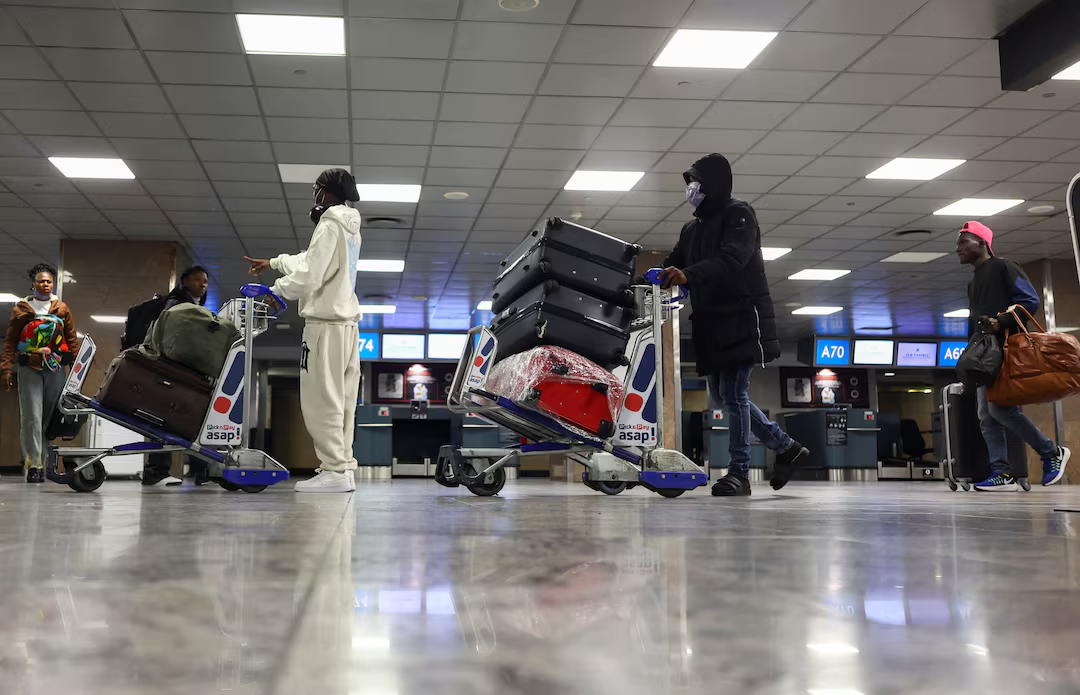
Some cities, especially Durban, have witnessed security tensions that have prompted a number of migrants to seek ways to return to their countries of origin for fear of being subjected to violence or harassment.
African countries are taking steps to repatriate their citizens.
As concerns mounted, several African governments began taking steps to support their citizens in South Africa. Malawi announced that approximately 10,000 of its citizens were facing difficult circumstances and wished to return home, with authorities organizing transportation and providing necessary support for the evacuation.
Other countries, including Nigeria, Ghana and Zimbabwe, have also taken steps to facilitate the voluntary return or provide consular support to their affected citizens.
Challenges to South Africa's continental image
Observers believe that the recurring incidents of xenophobic violence threaten South Africa's standing as an influential regional power on the continent. They also fear it could negatively impact African economic integration efforts, particularly given the increasing reliance on free movement and cooperation among countries within the African Continental Free Trade Area.
Despite the government's calls for calm and restraint, questions remain about its ability to contain escalating tensions and prevent the anticipated protests from turning into a new wave of unrest and violence.