Strengthening the partnership between Congo and Benin to support African integration
Developing frameworks for joint cooperation between the two countries
Written by Ziad Abdel Fattah:
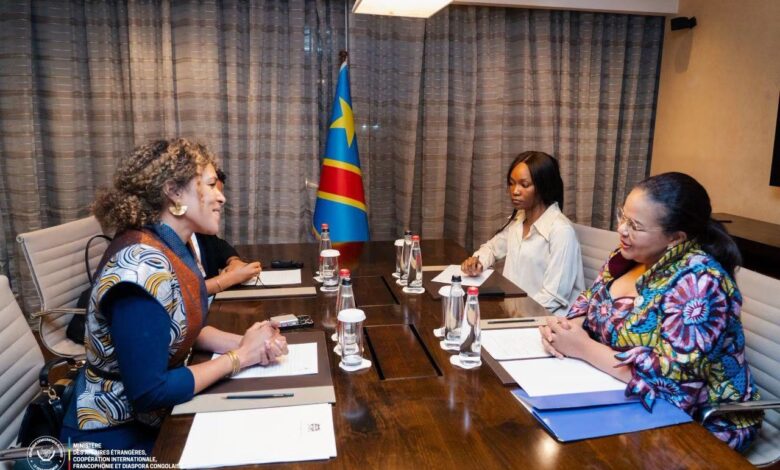
The Minister of State of the Democratic Republic of Congo, Therese Kayikwamba Wagner, met in the Ghanaian capital AccraWith the Minister of Foreign Affairs of the Republic of Benin, Corinne Amory Brunet, as part of supporting joint African relations.
The meeting witnessed fruitful discussions that focused on ways to strengthen bilateral relations between the two countries, develop frameworks for joint cooperation, and update the legal agreements regulating these relations.
Congo and Benin support women's empowerment
The talks also addressed a number of multilateral issues, with the two ministers praising the role of African communities abroad and stressing the importance of supporting and empowering women, especially in the diplomatic field.
At the conclusion of the meeting, both parties renewed their commitment to strengthening the partnership between Kinshasa and Cotonou, in a way that serves the interests of both peoples and supports the African development and integration process.
In another context, while the Democratic Republic of Congo struggles to contain the Ebola outbreak, the health sector faces another equally serious challenge: pregnant women are reluctant to go to hospitals and health centers for fear of contracting the virus.
The situation is raising increasing concerns among health workers about rising maternal and infant mortality rates resulting from births taking place outside of medical facilities.
Doctors and reproductive health workers confirm that the growing anxiety among the population has led many women to avoid hospitals even in high-risk pregnancies, depriving them of necessary medical care during pregnancy and childbirth.
According to international health organizations, contracting Ebola during pregnancy is associated with extremely high risks to the life of the mother and fetus, as it can lead to severe bleeding and serious complications that may end in the loss of the fetus or the death of the mother.
Giving birth outside of health facilities also reduces the chances of rapid medical intervention in case of emergency complications.
Health experts warn that fear of infection may drive women to rely on home births or seek help from traditional healers, which increases health risks and makes it difficult for authorities to monitor cases and provide appropriate care.
The Democratic Republic of Congo has been facing a rapidly escalating outbreak of a rare strain of the Ebola virus for weeks, amid warnings that the disease could spread to new areas.