Former Nigerian official: Boko Haram has killed more Muslims than Christians
Boko Haram victims in Nigeria
Nigeria: Boubacar Sane
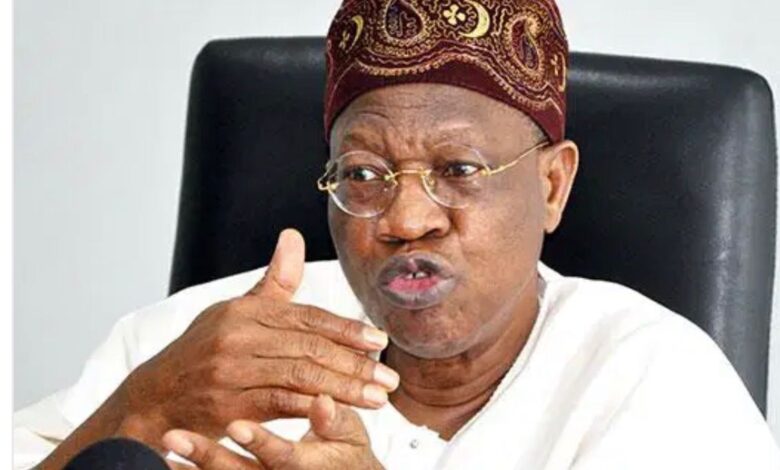
Former Information and Culture Minister Lai Mohammed has denied claims of a targeted genocide against Christians in Nigeria, asserting that rebel groups, particularly Boko Haram, have killed more Muslims than Christians.
Mohammed made these remarks on Wednesday in the United Kingdom during a meeting with students at Abbey College in Cambridge, as part of a dialogue session that focused on governance and youth participation in Nigeria.
In response to questions about allegations of religious persecution, the former minister described the narrative of “genocide of Christians” as false and misleading.
There is no religious persecution in Nigeria.
He said: “There needs to be more understanding from the developed world. Some say there is religious persecution in Nigeria, that there is genocide against Christians. This is not true, it is fake news.”.
He stressed that the security challenges facing Nigeria are complex and are not driven by any deliberate attempt to eliminate any religious group.
He added: “Nigeria, as a nation, faces challenges that will not be solved by genocide against any religion.”.
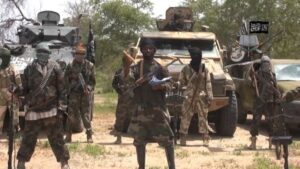
Mohammed explained that Boko Haram initially emerged as a movement targeting Muslims who had received Western education, noting that its first victims were mostly Muslims.
beginning of the group
Initially, Boko Haram's victims were mostly Muslims, not Christians. He says, "Boko Haram began as a revolution by radical Muslims against devout Muslims like myself.".
He also explains the group’s ideological roots, noting that “Boko Haram” roughly means “ban on Western education,” making educated Muslims a target for the group.
According to him, the group later expanded the scope of its attacks to include Christians in order to attract the world's attention.
They realized that Muslims killing each other didn't cause an uproar. But when Muslims started killing Christians, it sparked outrage. That's the truth.
Regarding robbery, Mohammed rejected claims that it was religiously motivated, describing it as a criminal activity that mostly affects individuals of the same ethnic and religious background.
He says: “The thieves are Muslims, from the Hausa and Fulani communities. And their victims are Muslims, from the Hausa and Fulani communities. So how can we talk about religion now? This has nothing to do with religion.”.
He confirmed that available records indicate that Muslims constitute the largest proportion of victims of rebel attacks in Nigeria.
Mohammed also highlighted what he described as Nigeria’s deeply rooted culture of religious tolerance, stressing that religion is rarely a cause of daily conflicts among citizens.
One people
He said: “In Nigeria, the average Muslim and Christian differ only in financial matters, not in doctrine. They are more concerned with the economy and lifestyles.”.
He cited President Bola Ahmad Tinubu and First Lady Oluremi Tinubu as examples, pointing to their mixed marriage as evidence of Nigeria's diversity.
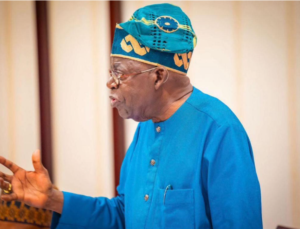
He said: “Look at our president, Bola Tinubu. He is a Muslim, while his wife is a leader in the Church of Christ the Savior. This is the Nigeria I know and am proud of.”.
He reiterated that claims of genocide against Christians in Nigeria are baseless and must be refuted through effective communication with the public.