Burkina Faso.. A Promising Destination for Investment in West Africa
التعدين والزراعة أبرز القطاعات
Written by Ziad Abdel Fattah:
Burkina Faso continues to strengthen its position as one of the markets Promising for investment in West Africa, benefiting from its rich natural resources and the expansion of the mining, agriculture, and services sectors, at a time when the government is seeking to improve the business environment and attract more local and foreign investments.
Mining is a major driver of the economy
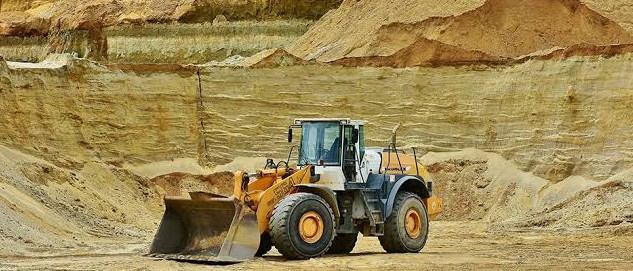
According to data from the AFSIC (Africa Investment) platform, an investment event dedicated to connecting business leaders, investors, and dealmakers on the African continent, held annually in London, the mining sector is considered the main driver of Burkina Faso's economy. The country possesses significant gold reserves, in addition to copper, zinc, and other minerals, making it a destination for a number of major international mining companies.
Streamline mining license application procedures
The government is working to attract investors by simplifying procedures for obtaining mining licenses, in addition to offering tax incentives and encouraging new investments, with the aim of increasing the sector's contribution to economic growth.
The agricultural sector also stands out as one of the most important investment areas, given the availability of fertile land and a suitable climate for cultivating strategic crops such as cotton, sorghum, and rice.
As the government continues to implement programs to support farmers and develop agricultural infrastructure, including the construction of roads, storage facilities, and improving supply chains.

Communications, banking, and tourism are experiencing gradual growth.
In the services sector, the fields of telecommunications, banking, and tourism are witnessing gradual growth, supported by government efforts aimed at developing infrastructure and facilitating access to financing, which contributes to expanding economic activities and creating new investment opportunities.
The manufacturing sector also offers promising opportunities, especially in the textile and apparel, food manufacturing, and building materials industries, with ongoing government support programs for small and medium-sized enterprises (SMEs) aimed at boosting local production and increasing added value.
Despite the available opportunities, the business environment in Burkina Faso still faces a number of challenges, most notably weak infrastructure, difficulty accessing finance, and the complexity of some regulatory procedures, in addition to challenges related to transparency in some sectors, particularly mining.
Observers believe that successful investment in Burkina Faso requires careful study of the market and the legal and regulatory framework, along with an assessment of the available risks and opportunities before making investment decisions.
Amidst the government's reforms to improve the investment climate, Burkina Faso remains one of the markets with growth potential in the mining, agriculture, services, and manufacturing sectors, making it a destination worthy of attention for investors looking to expand within West African markets.
According to World Bank data, despite ongoing security challenges, Burkina Faso’s economy showed resilience in 2025, with real GDP growth reaching 5.3%, up from 4.8% in 2024. Real GDP per capita also rose from 2.5% to 3% during the same period.
Several factors have stimulated improved growth, including the performance of the agricultural sector, supported by favorable climatic conditions and the agricultural, pastoral, and fisheries policy of the Government of Burkina Faso; the resilience of the services sector, thanks to an improved security situation; and the growth of the mining sector, which has greatly benefited from the regulation of artisanal and semi-mechanized mining, as well as the entry into force of the new Mining Code.
Inflation fell below zero in 2025 (-0.5%, compared to 4.2% in 2024), thanks to lower energy prices and abundant agricultural production, which led to lower food prices.
Extreme poverty also decreased by 5 percentage points in 2025, the largest decrease since the COVID-19 pandemic. However, challenges remain, including informal unemployment and vulnerability among populations affected by insecurity.
The fiscal turnaround—with the deficit falling from 5.8% of GDP in 2024 to 1.8% in 2025—is a significant achievement.