Boutros Boutros-Ghali: A diplomat who brought Africa's issues to the United Nations
Boutros Ghali and the Making of an African Presence on the World
Written by: Badr Ahmed
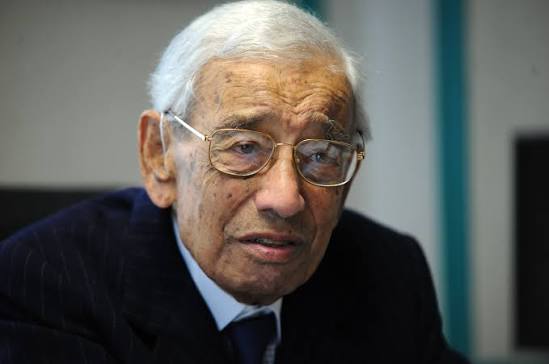
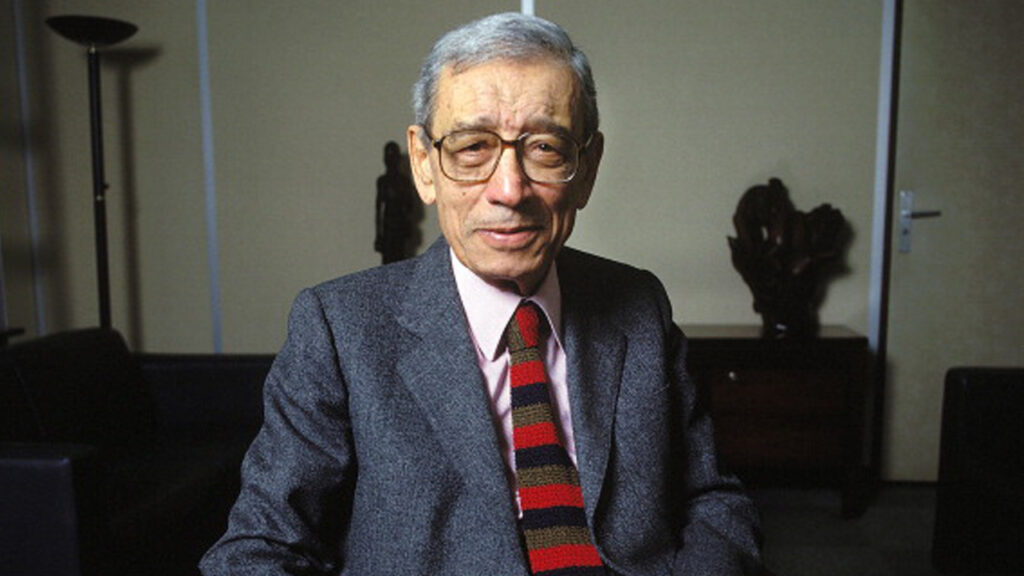
Dr. Boutros Boutros-Ghali is considered one of the most prominent Egyptian and African diplomats who left a profound mark on the course of international relations, particularly in Africa, where his name is associated with issues of development, conflict resolution, and the building of the post-Cold War international order. He was born in Cairo in 1922.
He progressed through his academic and diplomatic career until he became one of the most important experts in international law in the world, before later assuming the position of Secretary-General of the United Nations in 1992, becoming the first Arab and African to reach this high position.
Boutros Ghali and the Making of an African Presence on the World
Before his arrival at the United Nations, Boutros Ghali played an important role in Egyptian foreign policy, participating in representing Egypt in many African and international forums, and was a supporter of strengthening Egypt’s role within the Organization of African Unity, which preceded the establishment of the African Union later on.
Through his position as Minister of State for Foreign Affairs and Deputy Prime Minister for Foreign Affairs, he contributed to strengthening relations between Egypt and African countries, especially in the areas of political cooperation and the resolution of regional conflicts.
Intellectual and academic contribution
Boutros Ghali also had a prominent intellectual and academic contribution to understanding African issues, as he was interested in the issue of development in the countries of the South, and he linked political stability to economic growth within the continent.
This thinking was later reflected in his vision during his leadership of the United Nations, where he set a special agenda to promote peace and development in Africa, by supporting peacekeeping operations in conflict zones such as Somalia, Rwanda and Angola.
During his tenure as Secretary-General from 1992 to 1996, his work coincided with one of the most turbulent periods in the continent's history, as Africa witnessed bloody crises such as the genocide in Rwanda and the civil wars in the Horn of Africa.
He faced significant challenges in managing UN operations in those complex environments, which made his role controversial, but at the same time he established the idea of international intervention to protect civilians and support stability.
After leaving the United Nations, he continued his interest in African affairs through his participation in international think tanks concerned with development and North-South relations, so that his name remained associated with African issues as one of the most prominent symbols of Egyptian and international diplomacy in the twentieth century.