African festivals are transforming into economic engines, reshaping the landscape
The Role of African Festivals in Supporting the Economy
Written by: Ayman Ragab
Major African festivals are no longer limited to artistic performances; they have become economic platforms that combine tourism, investment, sponsorship, cultural entrepreneurship, and soft diplomacy. This transformation reflects a deeper evolution in the continent's creative industries, where economic value is now measured by the ability of these events to stimulate integrated economic systems. This, in turn, is prompting museums and heritage institutions to re-evaluate their operating models without abandoning their cultural mission.
For years, the evaluation of cultural policies in Africa was linked to permanent institutions such as museums, cultural centers, libraries, and heritage sites. However, the landscape is undergoing a clear transformation, with festivals capturing an increasing share of funding, visitors, business sponsors, and global brands, becoming the main gateway for the creative economy in many African countries.
This transformation is not limited to changes in patterns of cultural practice; it also reflects a new approach to the production and measurement of culture-related wealth, given the growing contribution of cultural industries to the global economy. According to UNESCO data, cultural and creative industries account for approximately 3.1% of global gross domestic product and provide 6.2% of total employment, prompting governments and investors to adopt cultural models that generate direct economic returns.
Despite Africa's participation in this growth, a study by the African Export-Import Bank (Afreximbank) indicates that the true economic significance of the cultural industries on the continent remains below its actual size. This is due to the prevalence of the informal economy and the weakness of databases and statistics, which make it difficult to accurately measure the sector's contribution and limit its presence in spending and investment priorities.
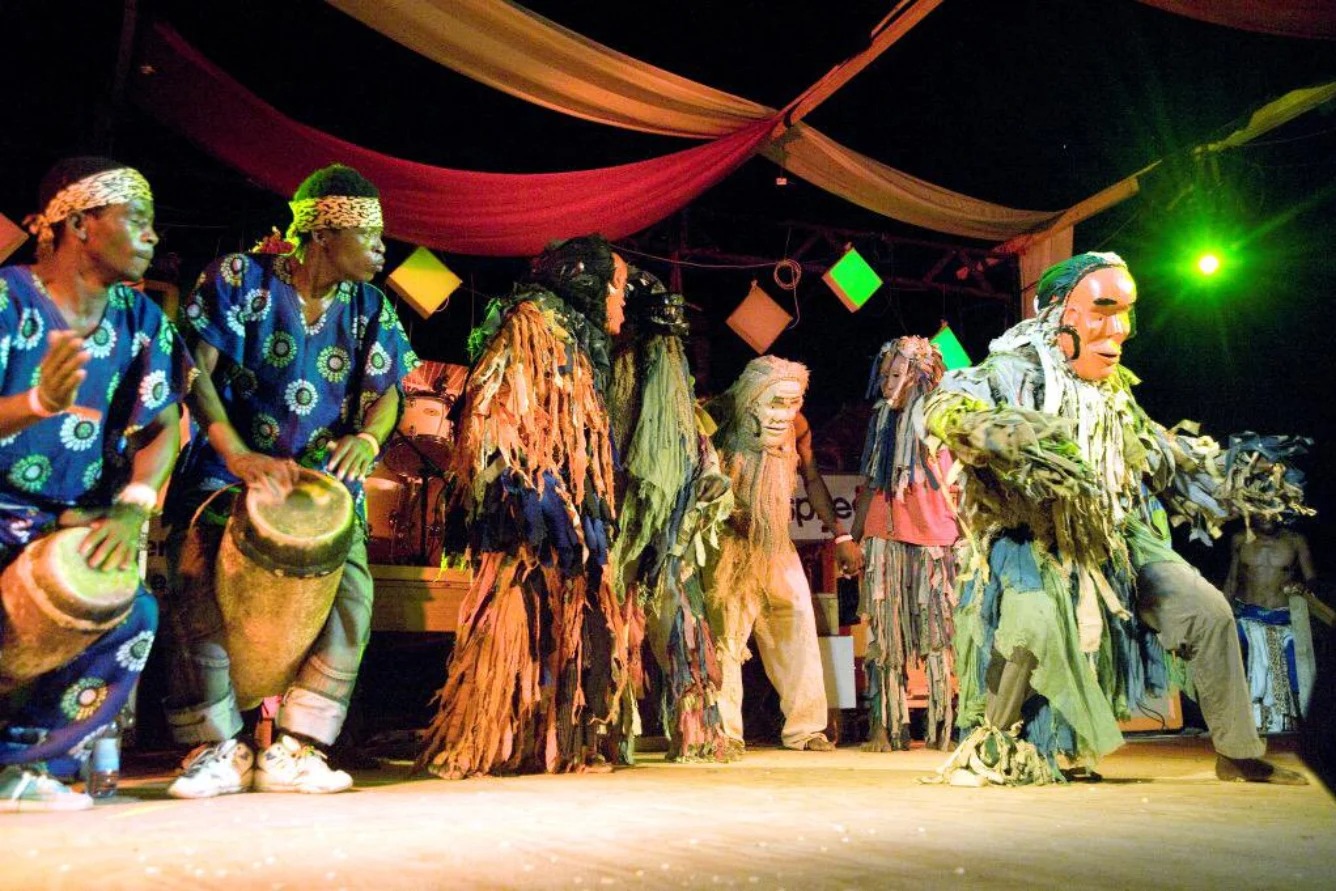
Festivals... direct economic indicators
Festivals are distinguished by the ease with which their economic impact can be measured compared to permanent cultural institutions. Their results can be observed through visitor numbers, hotel stays, tourism spending, sponsorship deals, media coverage, and commercial partnerships, which are indicators that show their impact immediately after the event concludes.
In contrast, assessing the economic return of museums and heritage institutions requires longer timeframes, making festivals more attractive to funders and the private sector, thanks to their ability to achieve quick and tangible results.
These events have evolved into integrated platforms that bring together companies, investors, public institutions, tourism companies, training centers, and pioneers of creative industries, so that the cultural event becomes a starting point for a wide range of economic activities.
Morocco: The Gnawa Festival as a Model
Morocco clearly reflects this trend, as data from the Tourism Observatory indicates that the sector provided approximately 894,000 direct jobs during 2024, the Kingdom welcomed 17.4 million tourists, with revenues reaching 112 billion dirhams, in addition to recording 28.7 million overnight stays.
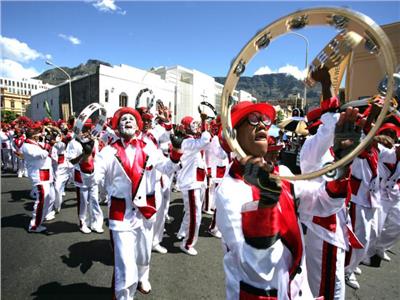
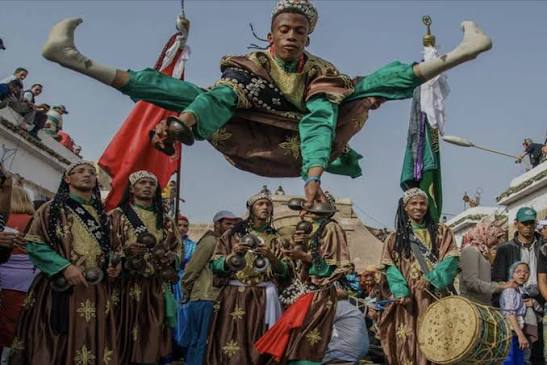
The Gnaoua and World Music Festival is one of the most prominent examples in this field, as it receives over 300,000 visitors, attracts more than 70 sponsors, and collaborates with 75 media partners, according to its organizers.
A study by the company Valens showed that every dirham invested in the festival generates an economic return of up to 17 dirhams for the city of Essaouira, which has contributed to the revitalization of the hotel, restaurant, retail, and tourism sectors.
The festival expanded its activities by launching an international forum, training programs in collaboration with the Berklee College of Music, and initiatives to preserve Gnawa heritage, thereby serving educational, cultural, and economic roles simultaneously.
Lagos, Ouagadougou, and Dakar: Hubs for Creative Markets
In Nigeria, ART X Lagos has become an integrated platform featuring exhibitions, art residencies, conferences, educational programs, film screenings, and networking opportunities. Its organizers emphasize that it has attracted over 700,000 visitors, both in-person and virtually, from more than 170 countries, with the participation of over 500 artists from 70 countries, making it one of the most prominent organized markets for contemporary African art.
As for the FESPACO festival in Burkina Faso, it has evolved from a film festival into a specialized market for co-production, financing, and distribution, through the «Yennenga» platform which brings together producers, financiers, and industry partners. The European Union also supported the festival's professional meetings in 2025 with 195 million African francs, while Canal+ contributed approximately 100 million African francs in 2023, reflecting the festival's growing industrial dimension.
In Senegal, the Dakar Biennale «Dak'Art» has strengthened the capital's position as one of Africa's most important contemporary art centers, as the 2012 edition attracted around 30,000 visitors from 53 countries, in addition to 300 art market professionals and 150 journalists.
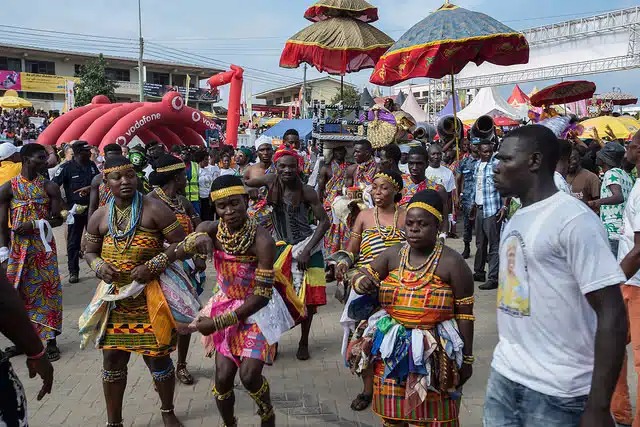
In Ghana, the Chale Wote Street Art Festival stands out as an example of a medium-sized festival with a tangible economic impact, attracting over 20,000 visitors. It contributes to supporting visual arts, music, fashion, film, and creative industries, while also stimulating businesses for traders and small enterprises.
This transformation confirms that African festivals are no longer just cultural events, but have become tools for economic development, tourism promotion, attracting investment, and building international cooperation networks, making them one of the most prominent drivers of the creative economy on the continent in the coming years.