African Currencies | The Tunisian and Libyan Dinars are the strongest... and the Moroccan Dirham has a prominent presence
The most monetaryly diverse region in the world
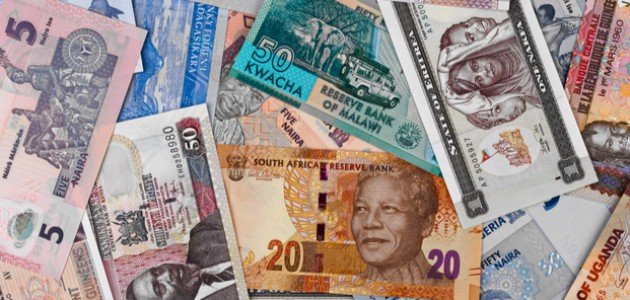
The African continent represents one of the most monetaryally diverse regions in the world, with 54 countries using more than 40 official currencies, a landscape that reflects deep structural differences between the continent's economies.
Between countries that rely on oil and mineral exports, and others that rely on tourism, agriculture and services, the strength and stability of currencies vary significantly.
This diversity gives Africa unique financial wealth, but at the same time it puts many currencies under pressure from inflation and exchange rate fluctuations.
Strongest African currencies in terms of nominal value
When measuring the nominal strength of a currency against the US dollar, several African currencies stand out, most notably the Tunisian dinar, which is the highest nominally valued currency on the continent, as a result of cautious monetary policies and strict controls on the exchange market. It is followed by the Libyan dinar, which maintains a relatively strong value, supported by oil revenues and money supply management.
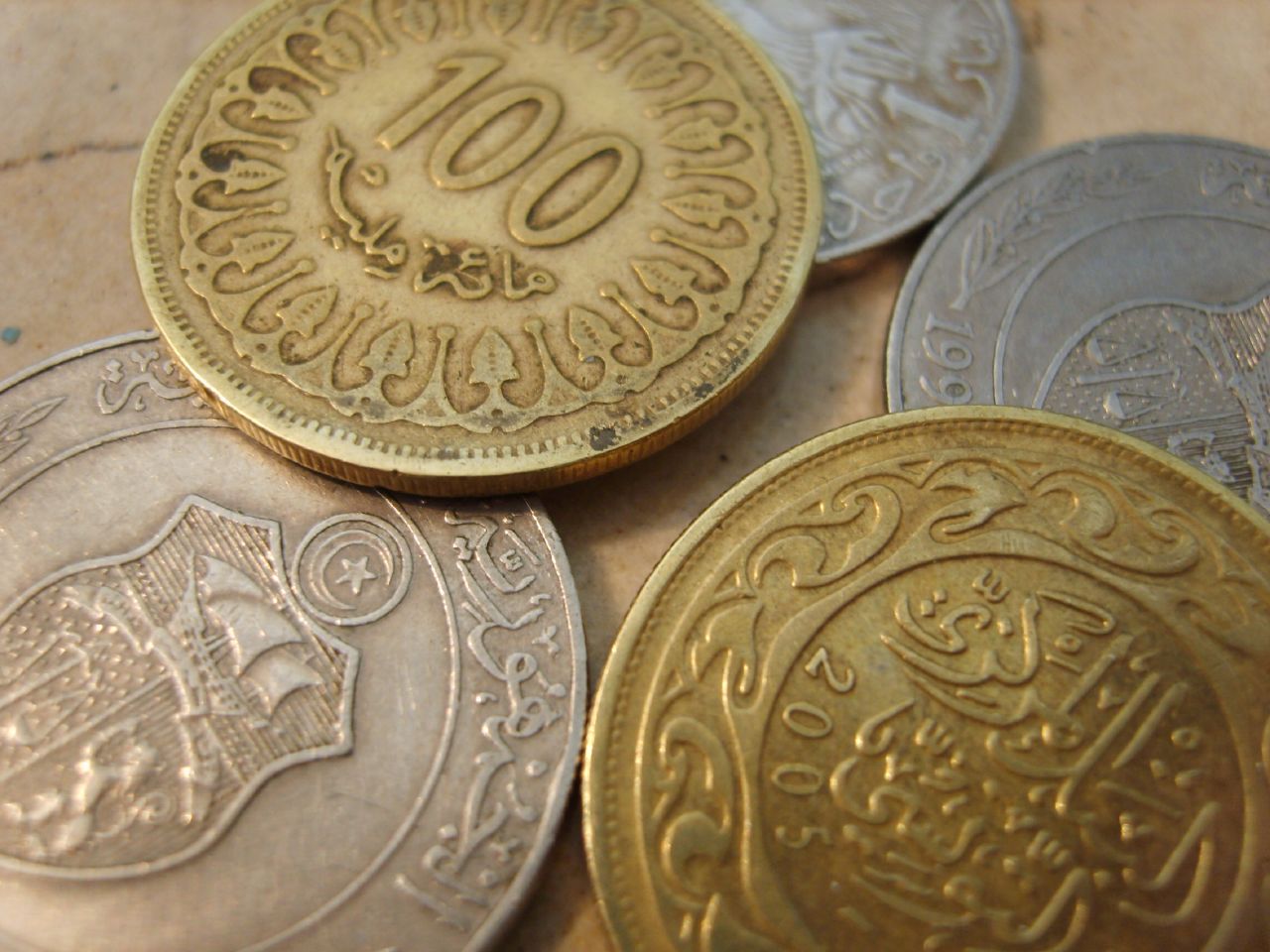
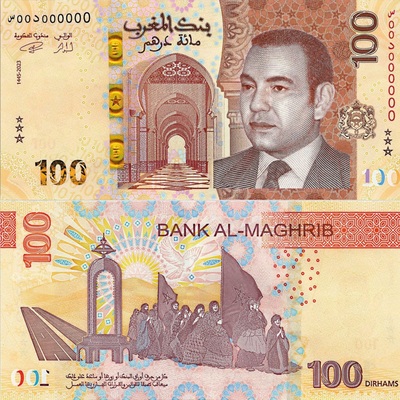
The Moroccan dirham also enjoys remarkable stability thanks to the diversification of the Moroccan economy, particularly in the tourism, industry and remittances sectors.
Currencies such as the Botswanan Pula and the Ghanaian Cedi also stand out, reflecting balanced economic performance and disciplined fiscal policies.
The most widespread and influential currencies in the markets
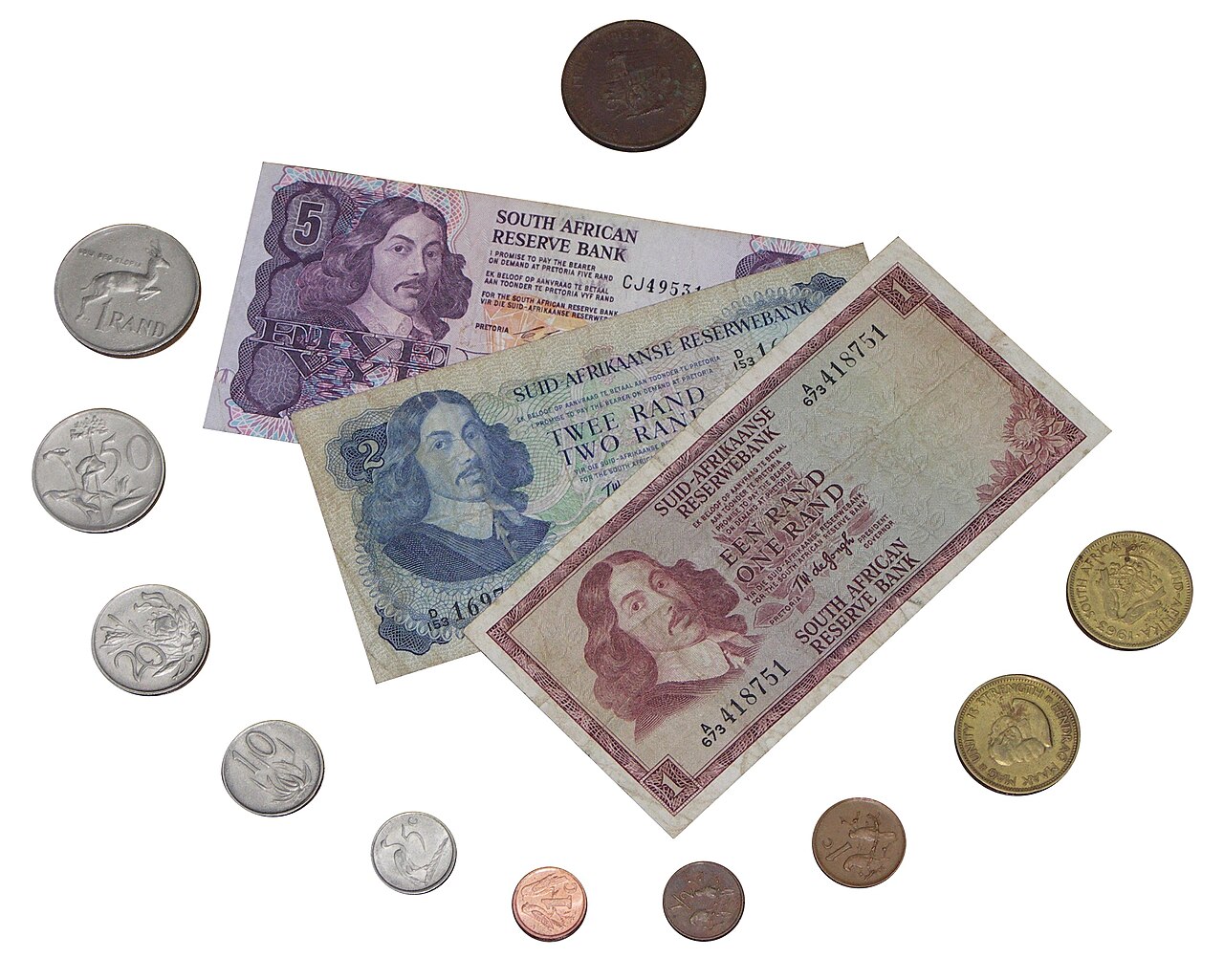
Nominal strength does not necessarily mean influence in the markets. There are currencies that play a pivotal role in regional trading even though their nominal value is less than the most prominent of them, the South African rand, which is a pivotal currency in southern Africa and is used in neighboring countries within regional monetary arrangements, which gives it great commercial weight.
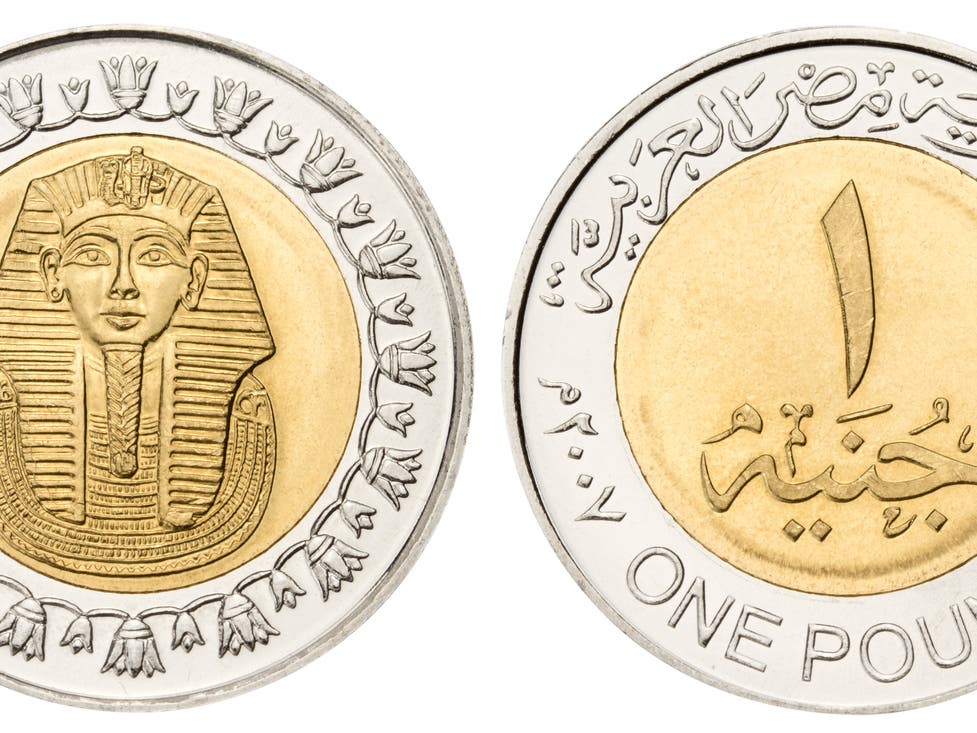
The Egyptian pound is also one of the most traded currencies in North Africa, given the size of the Egyptian economy and the diversity of its sectors, and in East Africa the Kenyan shilling plays an important role in regional trade.
In West and Central Africa, the CFA franc stands out as a common currency among several countries, and its peg to the euro gives it a degree of monetary stability and facilitates trade exchanges between member states.
Factors affecting the performance of African currencies
African currencies are affected by several key factors, foremost among them monetary policies and the ability of central banks to control inflation. Export revenues, especially from oil, gas and minerals, also play a crucial role in supporting foreign reserves.
The challenges are clearly evident in countries suffering from a shortage of hard currency, leading to the emergence of parallel markets and high inflation rates. Financial remittances from expatriates also directly affect the stability of some currencies, especially in countries that rely on these flows as a major source of foreign exchange.
Recent shifts in the African critical landscape
With technological development, some African countries have begun to see an increasing spread of the use of digital wallets and stablecoins in financial transfers, opening the door to new models of monetary transactions outside traditional frameworks. This shift gives users greater flexibility, but it poses regulatory challenges for monetary authorities.
African currencies accurately reflect the continent's economic reality: diversity, great opportunities, and ongoing challenges.
Between currencies that are nominally strong and others that are commercially influential, the monetary landscape in Africa remains one of the most interesting issues in the global economy.