Kano Governor's Advisor: Kwankwaso is working towards the re-election of Nigeria's president in 2027
covert cooperation between some opposition figures and the ruling All Progressives Congress party
Our correspondent from Nigeria, Boubacar Sani:
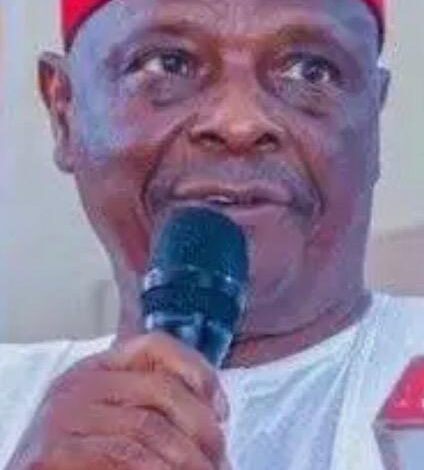
The Director General of Information and Public Relations at the Kano State Government Headquarters in Nigeria, Sanusi Tufa, alleged that the former Governor of the State, Rabiu Musa Kwankwaso, is working strategically in favor of the re-election of President Bola Tinubu in the upcoming 2027 general elections.
“Tova” made his remarks on Wednesday during his appearance on the morning program on Arise News, where he discussed emerging political alliances and developments in preparation for the upcoming election cycle.
covert cooperation between some opposition figures and the ruling All Progressives Congress party
According to him, the current political movements across the country indicate a covert collaboration between some opposition figures and the ruling All Progressives Congress (APC) party, predicting that Kwankosso's political calculations will ultimately favor Tinobo's ambition to win a second presidential term.
Supporting President Bola Ahmad Tinubu's efforts to be re-elected
“Former Kano State Governor Rabiu Musa Kwankwasu is working indirectly or strategically to support President Bola Ahmad Tinubu’s re-election efforts. There are political activities and strategic moves already taking place in preparation for 2027, many of which will ultimately benefit President Tinubu,” according to Sanusi Tufa, Director General of Information for the Kano State Government.
The spokesman for the Kano government also claimed that the current governor, Abba Yusuf, had contacted Tinubu about plans to join the ruling party (APC) with the blessing of Kwankwaso, adding that this alleged move also had the support of the former deputy governor of Kano, Aminu Gwarzo.
In a related context, Tufa indicated that former Labour Party presidential candidate Peter Obi might face significant difficulty in gaining political support in Kano, attributing this to what he described as the conservative political nature of the state. He said, “Political acceptance in Kano is shaped by ideology, history, and regional considerations.”.
On the other hand, Tufa denied reports that claimed that about five million supporters attended a rally recently held at Kwankwaso’s residence in Kano, describing this figure as unrealistic and exaggerated.
He added: “Even the large public squares in Kano cannot accommodate this number… Kwankwaso’s house cannot accommodate more than 2,000 people.”.
Attempts to obtain an official comment or response from Kwankwaso were unsuccessful as of the time of publication of this report.
The relationship between Kwankwaso and the Kano State government is one of the most closely watched issues in northern Nigerian politics.
The political relationship between Kwankwasi and the Kano State government remains one of the most closely watched issues in northern Nigerian politics since the 2023 general elections. Kwankwasi—a former governor, former defense minister, and two-time former senator—is a dominant political figure in the Northwest region through the Kwankwasiyya movement, whose supporters are known for wearing the famous “red hats.”.
In the 2023 elections, Kwankwasu ran for president under the banner of the New People's Party of Nigeria (NNPP) and achieved strong results in Kano State, despite losing nationally. His political influence was also credited with helping the incumbent governor, Yusuf, win the governorship on the NNPP ticket against the ruling APC candidate.
However, recent developments have fueled speculation about escalating tensions between Cuancoasso and Yusuf over the state’s political direction, appointments, and administration of state affairs.