Africa reclaims its judicial heritage: Restorative justice from a social tradition to an engine for economic development
When dialogue becomes the foundation of justice
Written by Omnia Hassan
While countries around the world are turning to find effective alternatives to traditional litigation, the African experience confirms that what is known today as ”alternative justice mechanisms” is not new to the African continent.
Dialogue, reconciliation, and amicable conflict resolution have been an integral part of African legal and social culture for decades, before becoming a model that many countries look to.
African justice leaders and experts believe that formal litigation, imported through modern legal systems, represents only one aspect of the justice system, while reconciliation and social consensus remain the true legacy that African societies have preserved across generations.
Swift justice is a cornerstone of growth and prosperity.
Prompt and universally accessible justice is no longer just a social service, but has become an essential element in supporting the economy and promoting the business environment. With the acceleration of economic integration within the framework of the African Continental Free Trade Area, the need is increasing for arbitration and dispute resolution institutions capable of dealing with the growing number of cross-border commercial issues.
Experts emphasize that the success of trade and investment depends largely on the existence of effective systems for resolving disputes quickly and efficiently, which maintains investor confidence and enhances market stability.
Why is justice being served outside the continent?
Despite Africa’s economic growth, most major international arbitration institutions are still located outside the continent, and Africans make up less than 81% of professional arbitrators globally. This reality presents a major challenge: the need to build strong African institutions capable of managing commercial disputes, in accordance with the specificities of local environments.
Calls are growing for cases to be decided within Africa by legal institutions and experts who understand the continent’s economic, social and cultural contexts, rather than continuing to rely on external centers.
Kenya as a model for investment in the judiciary
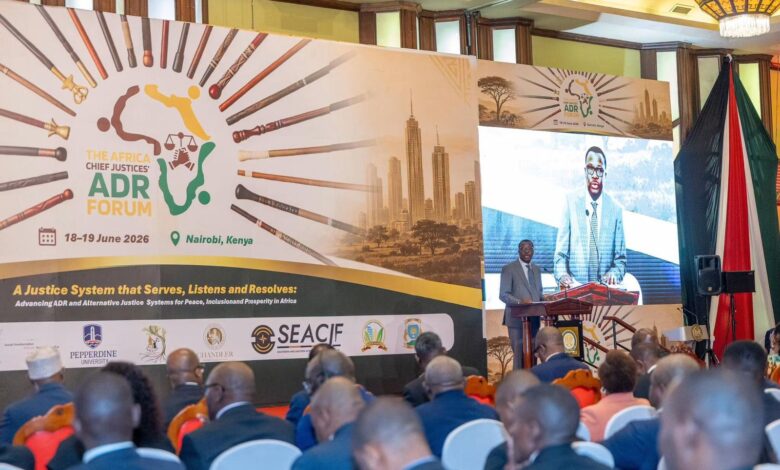
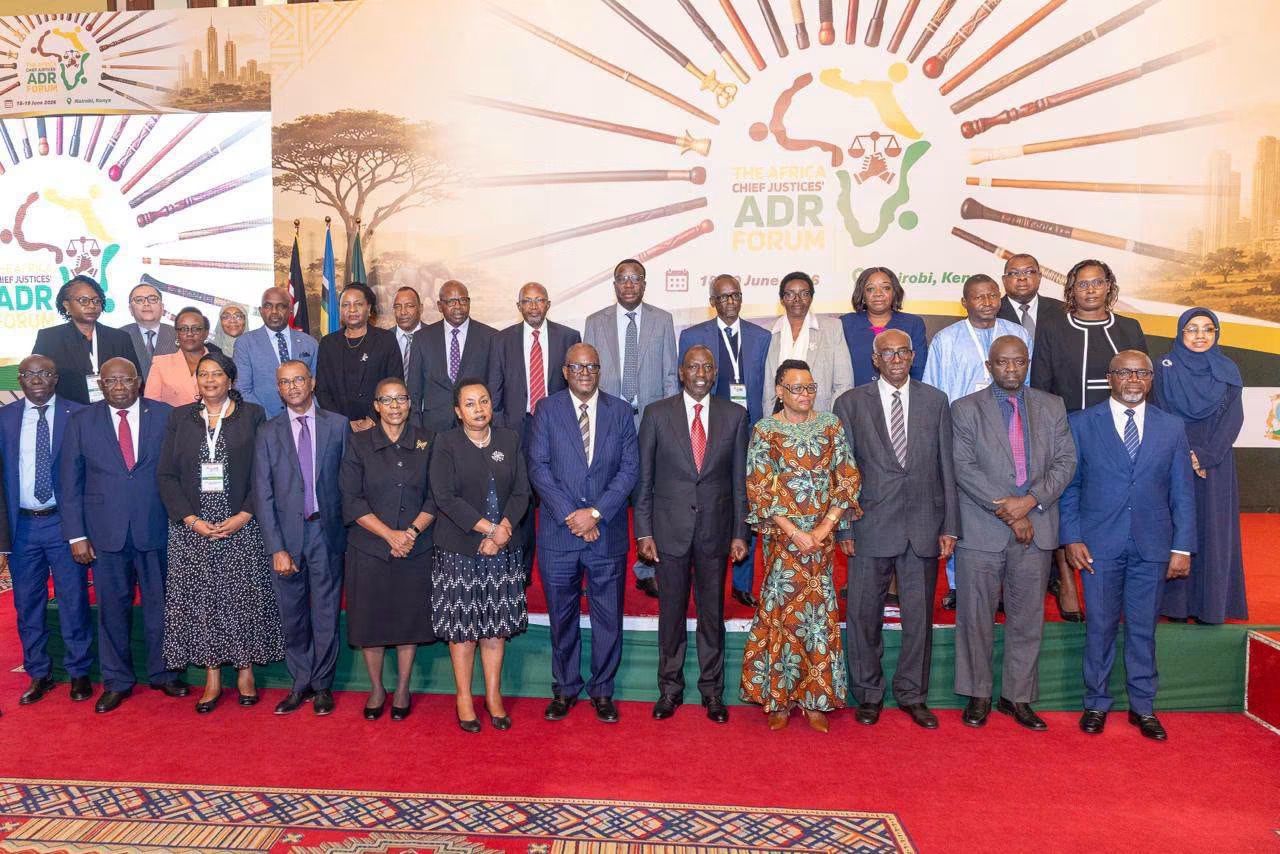
During the third summit of African Chief Justices on alternative dispute resolution in Nairobi, Kenya reviewed its experience in supporting the independence of the judiciary by continuously increasing its budget.
These efforts resulted in the appointment of 92 judges over the past three years, which contributed to reducing the backlog of cases before the courts by about a third.
These steps reflect a growing African trend towards building a more efficient and independent justice system that can keep pace with the continent’s economic and developmental aspirations in the coming decades.