Are Somali pirates once again jeopardizing international maritime security? (Analysis)
Somali pirate crisis
Written by: Ayman Ragab
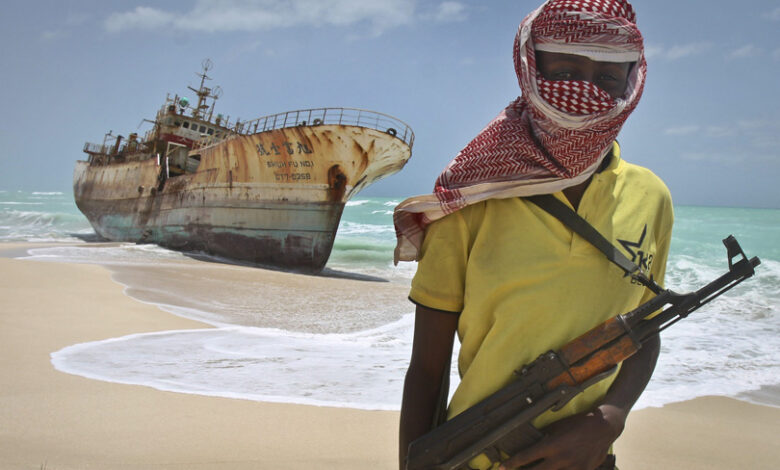
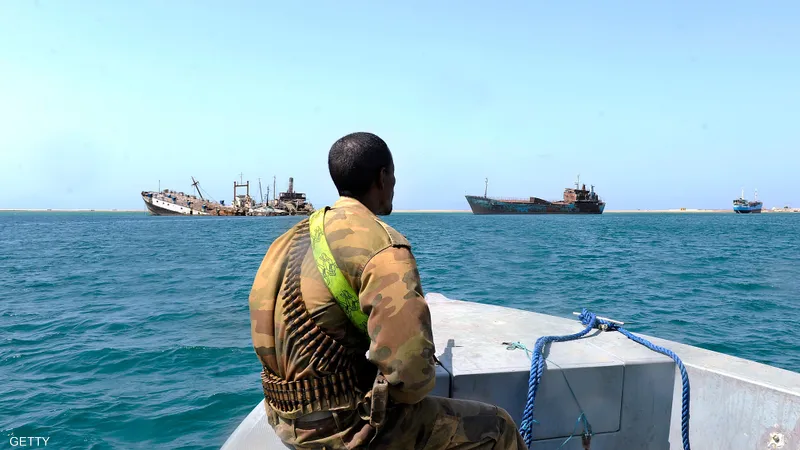
On the evening of April 26, the tranquility of the Somali coast was shattered by a dramatic hijacking; gunmen attacked a commercial vessel a few miles offshore. It wasn't long before the ship was forced to change course and land at a dock near the strategic port of Garakad in Puntland, the semi-autonomous region in northeastern Somalia.
In the days following the attack, it turned ship To a floating barracks after more armed men poured in, accompanied by a professional translator who was assigned a specific task: to negotiate with the ship's owner the value of the ransom money. As of the time of writing this report, the ship and those on board are still under the complete control of the pirates.
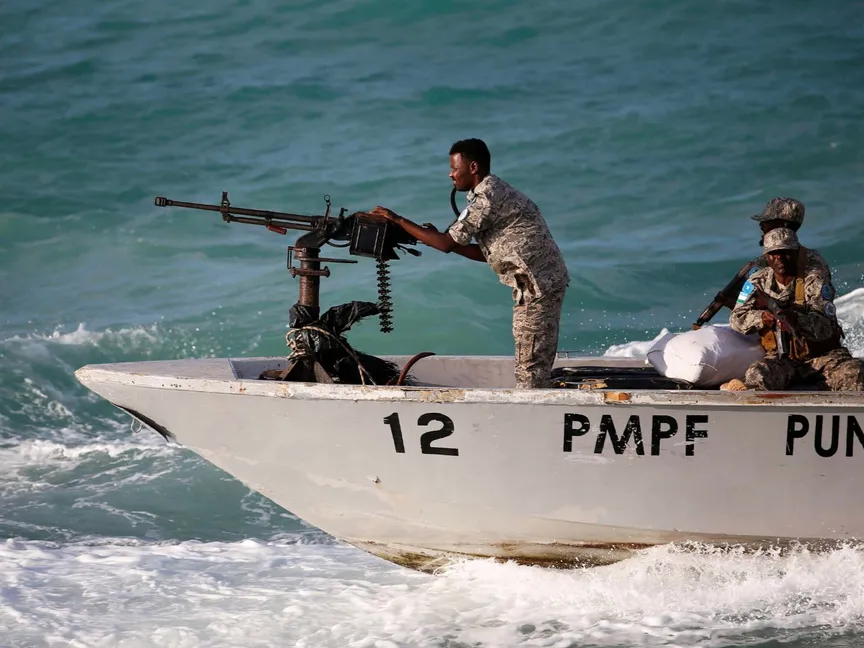
Indicators coming from the Horn of Africa, according to Allafrica“ It confirms that this ship is just one link in a wider chain; at almost the same time, two oil tankers were seized and forcibly diverted towards the Puntland coast: the tanker “Honour 25” (flying the flag of Palau), and the tanker “Eureka” (flying the flag of Togo).
dangerous tactical approach
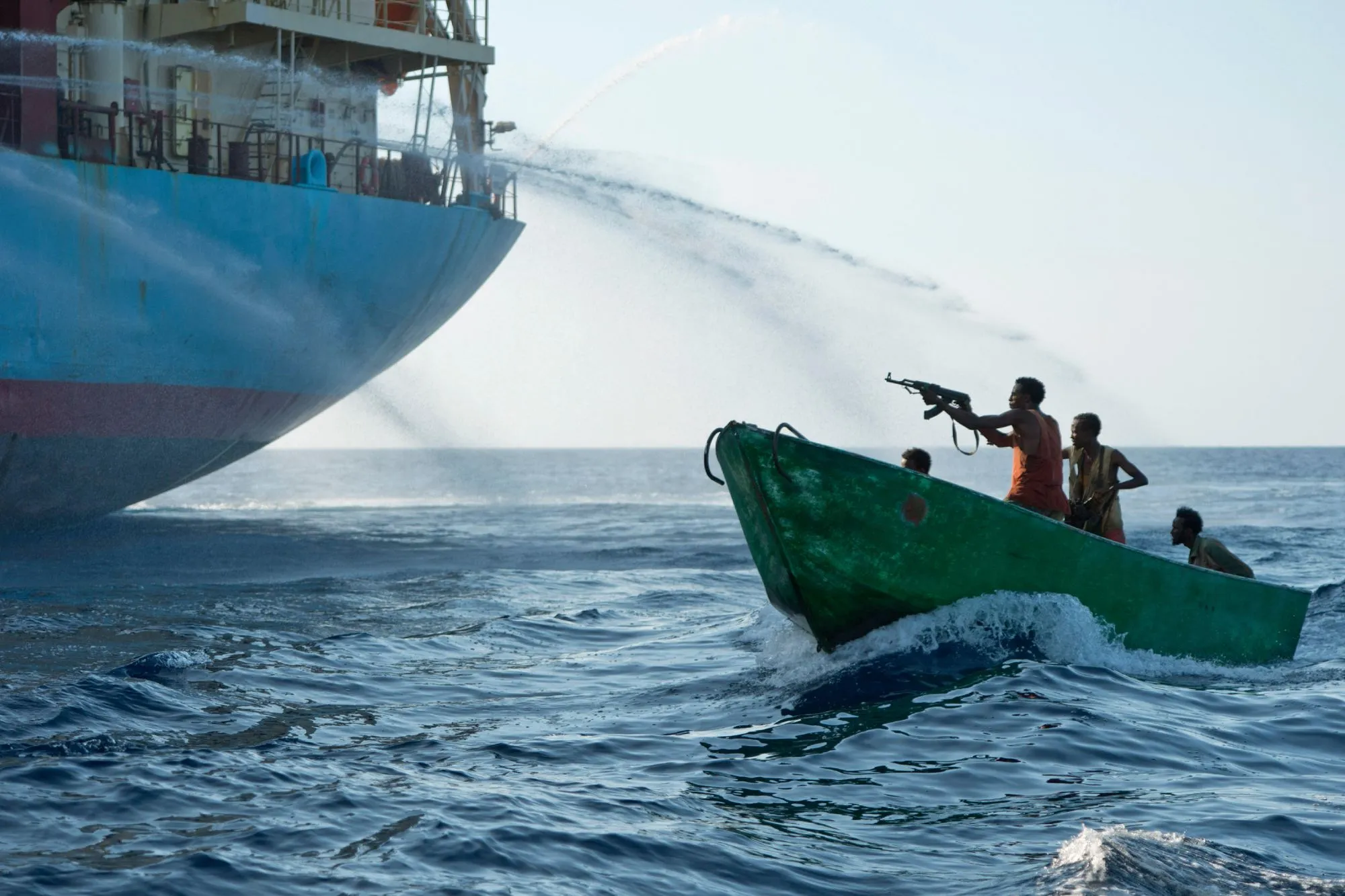
Maritime intelligence reports have detected Somali pirate groups hijacking several traditional sailing vessels (dhows) in recent weeks, to use them as “mother ships.” This tactic gives the pirates the advantage of staying at sea for weeks on end, and launching surprise attacks far from the coast, raising real international concerns. Are we facing an official return of Somali piracy?
The $18 billion bill
To grasp the magnitude of the current danger, it suffices to recall the terrifying figures of the golden age of Somali piracy between 2005 and 2012: more than 1,000 attacks on foreign ships, 218 ships taken ashore, more than 3,700 sailors detained, and direct ransoms of around US$50 million annually.
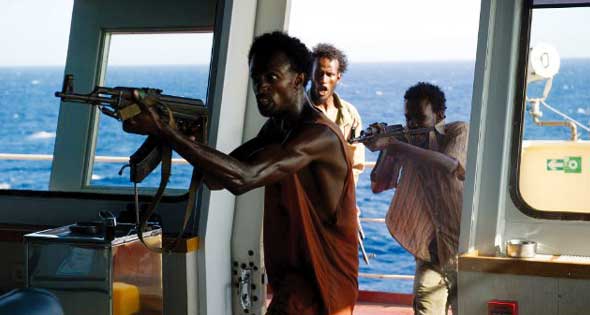
Trade losses and tightened security measures have cost the global economy up to US$18 billion.
Despite the success of private security guards, international maritime patrols, and development initiatives in later curbing the phenomenon, the logistical support networks and piracy leaders remained beyond accountability, and what is happening today proves that those networks were in a state of “temporary dormancy” and nothing more.
Why are the pirates coming back now?
Analyses agree that three main factors combined to create the ideal environment for the return of kidnapping for ransom activity, and these are as follows:
1. Political chaos and the refinancing of conflicts
Historically, piracy activity coincides with political unrest, and Somalia is currently experiencing a severe constitutional crisis after the federal government postponed the 2026 general elections without legal procedures and dissolved the parliament of the South West State of Somalia to forcibly replace its leadership.
In parallel, Israel’s recognition of the self-declared Republic of Somaliland in December 2025 has reshuffled the regional cards, prompting Arab states such as Saudi Arabia to strengthen alliances with Mogadishu to protect the security of the Red Sea and the Gulf of Aden.
This division and skirmishes between the regions and the federal government may again push local elites in Puntland and south-central Somalia to turn a blind eye to (or support) piracy to finance their political and military campaigns.
2. Extreme poverty and the ”American aid shock”
The Somali street is experiencing a severe financial crisis due to rising food and fuel prices, and to make matters worse, the Trump administration’s sudden decision to cancel US-funded development programs.
Amid this economic stagnation, piracy groups in Puntland and the coastal regions are re-presenting themselves as “generous employers” who pump money into local communities to buy loyalty and support on the ground.
3. Security vacuum in the perimeter
Current regional tensions—from the closure of the Strait of Hormuz due to the Iranian war to Houthi attacks in the Red Sea—have caused hundreds of commercial vessels bound for Europe to be diverted to the Cape of Good Hope route around South Africa, an alternative route that is forced to run alongside the Somali coast.
Meanwhile, international warships were preoccupied with confronting threats in the Red Sea and the Strait of Hormuz, leaving the Somali coast exposed and providing pirates with freedom of movement without detection. Due to high costs, many shipping companies abandoned expensive armed security teams, making their ships easy prey.
Future scenarios
Fire or ocean?
What will happen next? The answer depends on the outcome of the current operations, as the pirates are currently demanding an astronomical ransom of $10 million for the tanker “Eureka”.
Surrender scenario
Quick and generous payments will temporarily free the ships, but they will pump liquidity into the veins of piracy networks and entice thousands of young people to join, thus exacerbating the crisis more broadly.
Economic blockade scenario
Marine insurance companies may resort to reclassifying the Somali Basin as a “high risk” area (as happened in 2008), which will raise shipping and insurance costs that the global consumer will ultimately bear the brunt of.
Therefore, the international community must realize that piracy, although it appears to be a maritime problem, has a key solution on land. Investing in building infrastructure that promotes trade and local development in Somalia is the least costly option, because the economic losses resulting from the militarization of the oceans and the enforcement of maritime law far outweigh what can be paid to contain the crisis from its land-based roots.