Nigeria is banking on digital payments to fight poverty.
A plan to integrate 50 million citizens into the formal financial system
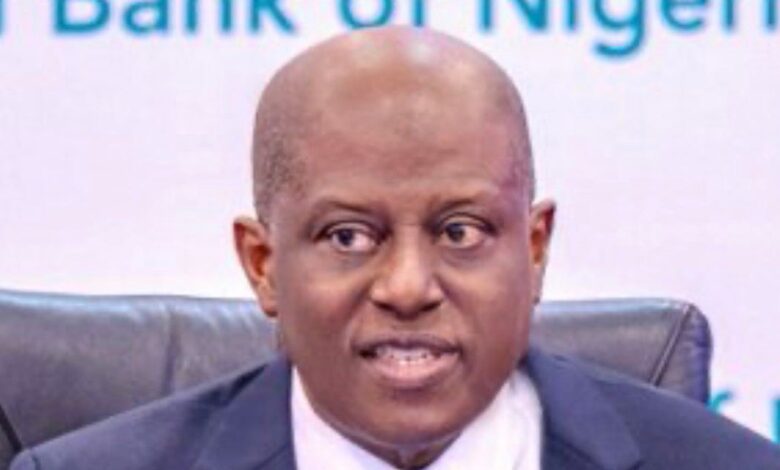
Our correspondent from Nigeria:
The Governor of the Central Bank of Nigeria, Olayemi CardosoHe stressed that developing an effective and inclusive payment system is one of the fastest ways to lift millions of Nigerians out of poverty, adding that modern financial infrastructure has become a key tool to support economic growth and promote financial inclusion.
This came during the launch of the Central Bank of Nigeria’s Payment System Vision 2028 in the capital, Abuja, where Cardoso explained that the country’s payment system is no longer just a means to facilitate financial transactions, but has become a strategic pillar capable of creating jobs, stimulating investment, and improving living standards.
Nigeria lays out a roadmap for building a secure payment system.
He noted that the Payment System 2028 vision sets out a roadmap for building a secure, flexible, inclusive and globally competitive payment system that supports Nigeria’s digital economy and contributes to the success of ongoing economic reforms.
Cardoso said the central bank aims to raise the financial inclusion rate to 95% by 2028, which would integrate about 50 million more Nigerians into the formal financial system, including small business owners, farmers and young people.
Reducing reliance on cash
He added that the bank is working to reduce reliance on cash, expand the use of digital payment methods, including mobile payments and QR codes, as well as enhance cybersecurity and develop anti-fraud mechanisms to increase citizens' confidence in electronic transactions.
The Governor of the Central Bank of Nigeria stressed that trust is the foundation of the success of any payment system, revealing a target to reduce fraud losses to less than 0.001% of total transactions by 2028.
He explained that implementing this vision will contribute to boosting trade, investment and remittance flows, and will also support Nigeria’s competitiveness within the framework of the African Continental Free Trade Area.
For his part, the Deputy Governor of the Central Bank for Economic Policies, Dr. Mohammed Abdullah, described the Payment System 2028 vision as an integrated strategic framework for shaping the future of payments, trade and economic transactions in Nigeria, noting that it is based on five main pillars including payment infrastructure, financial inclusion, innovation, cross-border payments, regulation and cybersecurity.
The Director of Payment Systems Policies at the Central Bank of Nigeria, Musa Jimoh, also confirmed that the country has made remarkable progress since the launch of the Payment System Vision 2020, noting that there are more than two million banking agents across Nigeria, which has contributed to expanding access to financial services and providing new job opportunities.
Participants in the event agreed that the successful implementation of the Payment System 2028 vision will be a crucial factor in promoting financial inclusion, stimulating economic growth, and reducing poverty rates across Nigeria.