Who was Julius Nyerere? The story of Tanzania's first president, after whom Africa's largest dam is named.
Before the opening of the giant dam... Learn about Julius Nyerere, the founder of modern Tanzania
Written by: Badr Ahmed
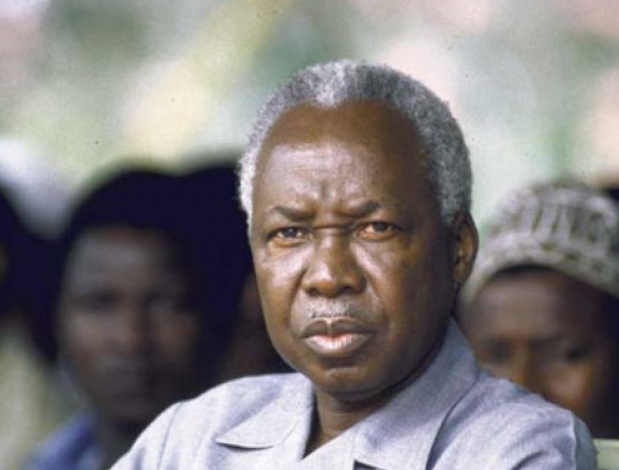
As the official opening of the Julius Nyerere Hydroelectric Dam and Power Station in Tanzania approaches, in the presence of a number of international leaders and officials, the name of the first president of modern Tanzania is once again brought to the forefront, not only as a national symbol, but also as one of the most prominent African leaders who left a deep mark on the history of the continent during the post-colonial era.
The story of Julius Nyerere: from classroom to presidential palace
Julius Nyerere was born in 1922 in the Butiama region of northwestern Tanganyika, which was then under British administration. He worked as a teacher before entering politics, and therefore he was known among Tanzanians as the teacher or Mwalimu in Swahili, a title that stayed with him throughout his political life.
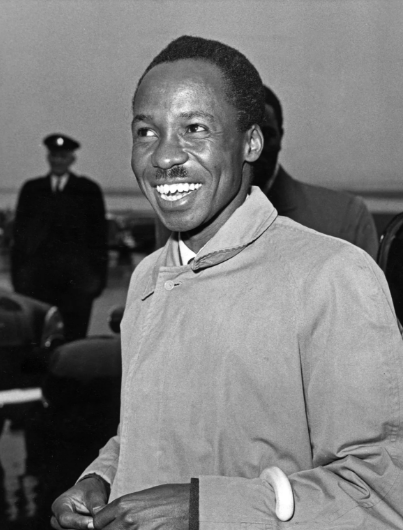
Nyerere led the nationalist movement for independence through the Tanganyika African National Union (TANU) party, achieving independence in 1961 and becoming the first prime minister of independent Tanganyika. Following Tanganyika's union with Zanzibar in 1964, the United Republic of Tanzania was established, and Nyerere became its first president, remaining in office until 1985, making him one of the longest-serving African leaders of that era.
Nyerere's name became synonymous with an intellectual and political project known as Ujamaa, a philosophy based on the concept of family and social solidarity within African culture. Through this project, he sought to build an African socialist model independent of Western capitalism and Soviet communism, emphasizing social justice, education, health, and rural development. He also launched extensive literacy campaigns and the provision of free education, which contributed to raising literacy rates and strengthening national unity in a country comprising dozens of ethnic and linguistic groups.
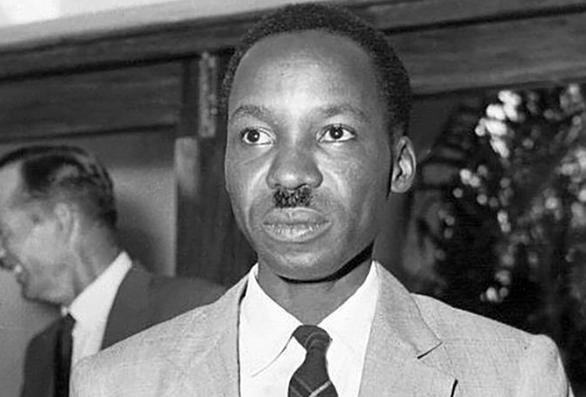
Although his social policies achieved notable successes in the areas of education and national unity, his economic project faced significant criticism due to low productivity and the state's reliance on centralized management of the economy, which led to economic crises that later prompted Tanzania to adopt more open market economy policies.
Regionally, Nyerere played a prominent role in supporting national liberation movements in Africa, and he backed the struggle of the peoples of South Africa, Namibia, and Zimbabwe against apartheid and colonialism. He was also a leading advocate for African unity and contributed to the establishment of the Organization of African Unity, which later became the African Union.
After retiring from the presidency in 1985, Nyerere remained an influential figure in African affairs, participating in mediation efforts and settling regional conflicts until his death in London in 1999. He is still regarded within Tanzania as the father of the nation and the maker of the national identity of the modern state.
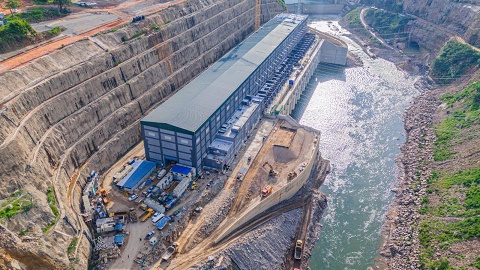
Today, the largest hydroelectric project in East Africa bears his name: the Julius Nyerere Dam and Power Station on the Rufiji River, with a generating capacity of over 2,100 megawatts. The Tanzanian government considers it a strategic project for enhancing energy security and driving industrial development, and naming it after him is a symbolic message linking the legacy of the founder of the Tanzanian state with its developmental aspirations in the 21st century.