From wealth to mortgaging: How did South Sudan's oil become a hostage of international courts?
A British court ruling prevents Juba from entering into new prepayment contracts.
Written by: Mohammed Omran
In an unprecedented move, the London High Court issued a court order preventing the government South Sudan Juba has been barred from entering into any new prepayment contracts for its oil sales, in favor of global trading company BP Energy, which accuses Juba of failing to deliver contracted oil shipments for 2024 and 2025, pending another hearing on June 5.
The beginning of the story
Last year, BP Energy initiated legal proceedings through London courts to challenge claims that South Sudan failed to deliver oil purchased under prepayment agreements in 2024 and 2025.
Document details
The court document stated that another hearing regarding the ruling would be held on June 5, as the first hearing was held without the presence of the defense lawyers. Until that date, or before that if South Sudan pays its debts, South Sudan must not accept new advance payments or enter into any arrangement that has the effect of advance payment, from any third party in connection with any shipment of Dar Blend or Nile Blend crude oil,” as stated in the penal notice.
The ruling adds that anyone else who is aware of the matter and does anything that allows the defendants to breach the terms can also be considered to be in contempt of court and can be imprisoned, fined, or have their assets confiscated.
The case brought against South Sudan reflects the risks that commodity traders bear when entering into pre-financing agreements to secure oil purchases.
South Sudan’s Undersecretary of Petroleum, Santino Ayuel Longar, and government spokesman, Ateny Wek Ateny, did not immediately respond to Reuters’ request for comment.

Last November, BP Energy allowed a court order regarding a specific oil shipment from South Sudan to expire after reaching an agreement to settle its claims amicably with the Ministry of Petroleum.
BP Energy loaded its first cargo in February of this year as part of a 2025 prepayment contract, but said it has not received any oil to load since then.
A BP Energy spokesperson said: “This court order is a positive and important step, as it will help ensure that more crude oil shipments remain available to the Republic of South Sudan to meet its obligations to BP Energy, rather than being allocated under additional prepayment arrangements with third parties.”.

Who wins and who loses?
The court ruling cut off the government's immediate cash flow at a highly sensitive moment, which could deepen the disputes between factions of the ruling elite over the distribution of already meager revenues.
The repercussions also extend to neighboring Sudan, as southern oil flows through its pipelines to Port Sudan, meaning that any disruption to the flow of exports casts a shadow over Khartoum's already strained revenues.
Conversely, observers believe that this vacuum may tempt actors from outside the Western financial system, primarily Chinese companies or Asian financiers, to expand into southern oil assets in exchange for alternative financing, away from the oversight of British courts.
Three routes to Juba
The government has three options: either to succumb to pressure and negotiate a settlement with BB Energy before the June session, or to circumvent the ruling by turning eastward to financiers outside the Western system, or to fall into financial paralysis that could halt the salaries of the army and employees, and reopen the door to unrest in a country whose civil war wounds have not yet healed.
In any case, the crisis reveals the extent of the fragility of economies dependent on a single resource, and how quick financing contracts can, over time, turn into a tool of pressure that threatens the sovereign decision of countries.
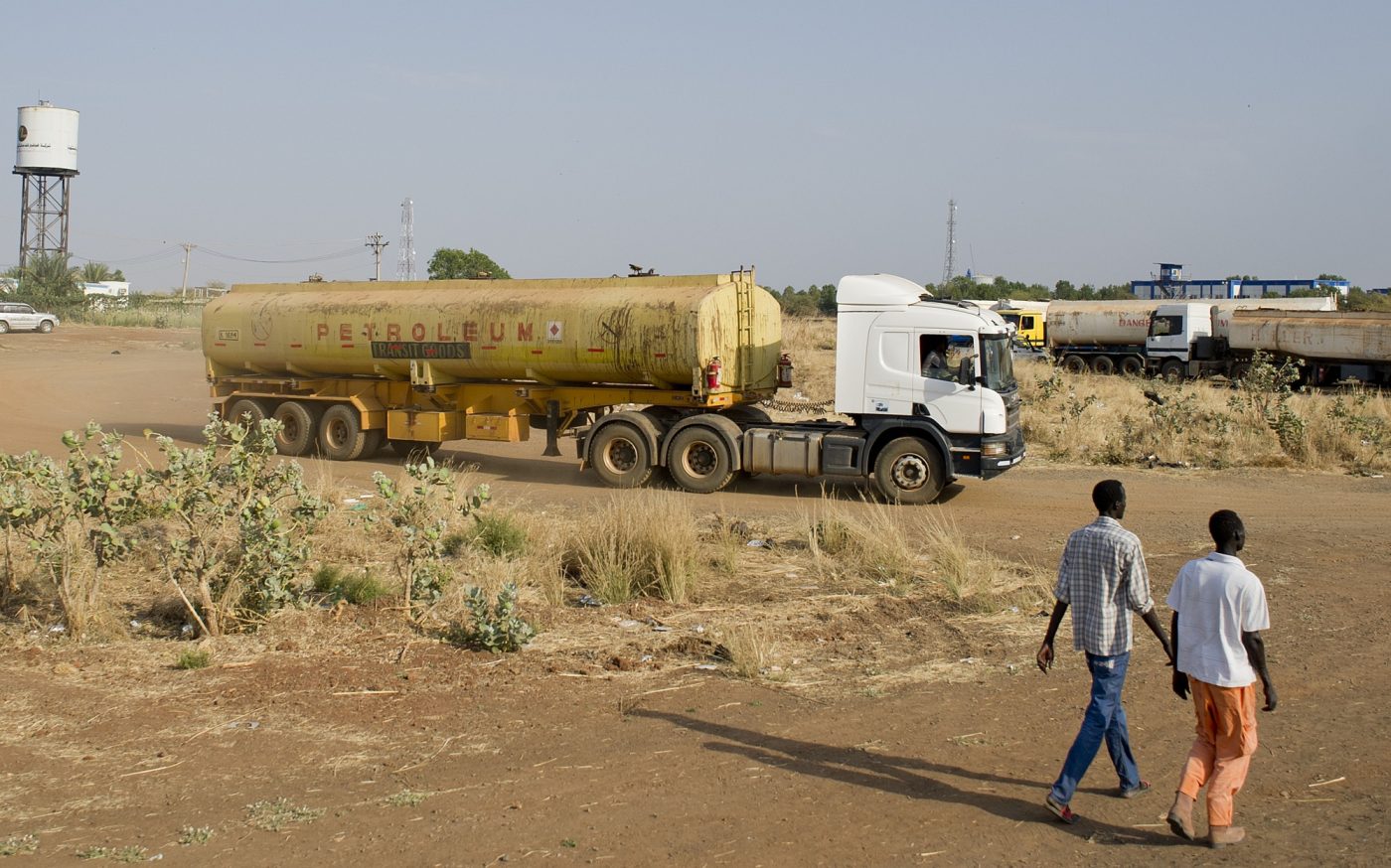
Oil: Between Wealth and Indebtedness
Since South Sudan’s independence in 2011, oil has been the greatest hope for building the new state, but it has gradually turned into a source of political and financial crises, due to mismanagement, internal conflicts, and near-total dependence on oil revenues.
Today, the battle seems to be no longer just about oil shipments or trade contracts, but about the ability of an emerging nation to maintain its economic sovereignty in a world controlled by markets, courts, and transnational finance companies.