Nigeria reaped huge economic gains due to the Iran war
Nigeria's oil profits grow

Written by: Ayman Ragab
Fitch Solutions has revealed its expectations that Nigeria will reap huge financial gains as a result of the ongoing war in the Middle East.
The company projected an additional $4.5 billion in 2026, driven by rising global oil prices, after average oil prices climbed to around $78 a barrel, compared to around $67 before the crisis escalated.
Increase of 1% to GDP
This increase could add around 1% to GDP, representing a tangible boost to the economy.
This comes with expectations of Nigerian economic growth in 2026, according to Business Insider Africa.
It is noted that the elimination of fuel subsidies has enabled the government to benefit more from rising global prices, which has led to increased revenues.

Growth forecasts were revised to 4.41 TP3T from the previous 4.31 TP3T, supported by a stronger-than-expected performance in the oil sector. Despite improved government revenues, the impact of higher oil prices was negative for citizens, as the crisis in the Middle East led to price increases for a number of goods, most notably fuel.
Price higher than $105 per barrel
With Brent crude trading above $105 a barrel, well above Nigeria’s 2026 federal budget reference price of $64.85, the current global rise in oil prices is expected to significantly boost Nigeria’s fiscal position, improve foreign exchange inflows, and support the stability of the naira.
Analysts say that if geopolitical tensions escalate into a full-blown conflict that disrupts the Strait of Hormuz—a vital waterway for approximately 201 TP3 Tr of global crude oil shipments—oil prices could surge to $150 per barrel. This scenario would be highly profitable for oil-exporting nations like Nigeria, potentially boosting foreign reserves and increasing government revenue.
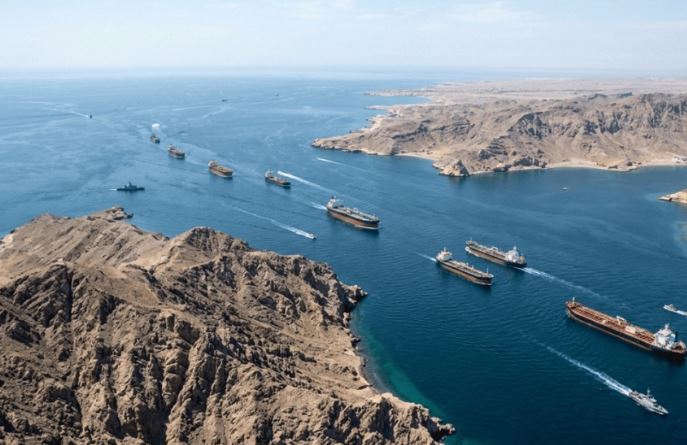
The recent price surge reflects rising geopolitical risk premiums, particularly those related to escalating tensions between the United States and Iran, a major oil producer in the Middle East. Market concerns have also been exacerbated by disruptions in other supply regions, including unplanned outages in Kazakhstan and weather-related production constraints in the United States due to Winter Storm Fern.