Egypt hands over the presidency of the African Continental Free Trade Area to Nigeria
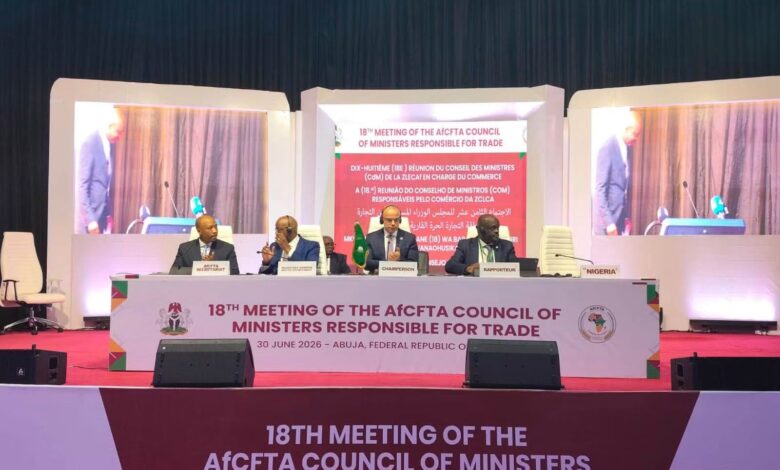
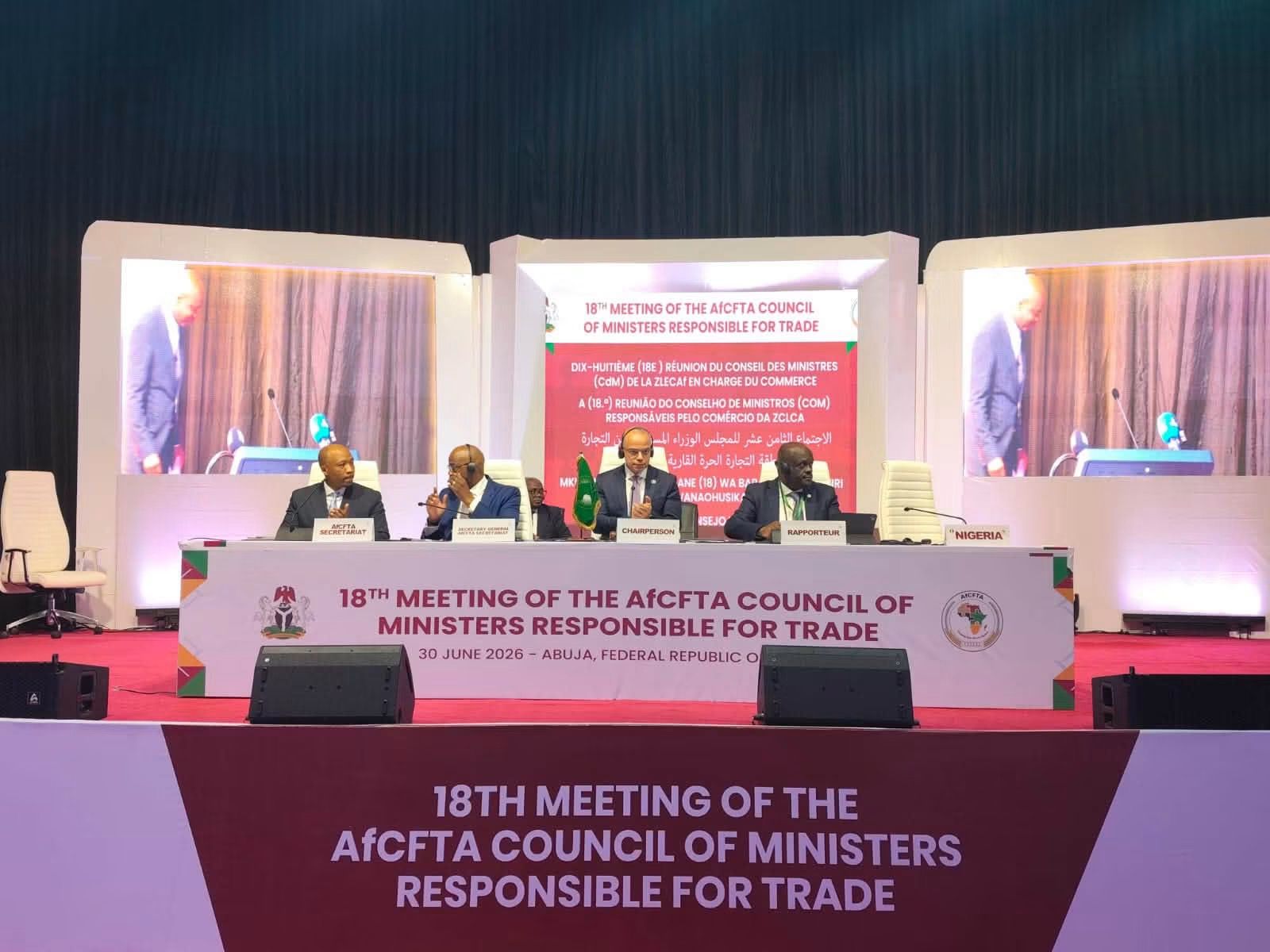
Dr. Mohamed Farid Saleh, Minister of Investment and Foreign Trade, participated in the work of the eighteenth meeting of the Ministerial Council of the African Continental Free Trade Area (AfCFTA), which was hosted by the Nigerian capital, Abuja, with the participation of the Ministers of Trade and Investment of the States Parties to the Agreement, along with officials of the Secretariat of the Agreement and representatives of African regional institutions.
The African Continental Free Trade Area (AfCFTA) is the world’s largest free trade area in terms of the number of participating countries, with 54 African countries. It aims to create a single market that promotes trade and investment, removes barriers to trade, supports economic integration, raises the competitiveness of African economies, and enhances their integration into regional and global value chains.
The agreement also represents a strategic opportunity for Egypt to boost exports, attract investments, and expand private sector business in African markets.
Handing over the presidency to Nigeria
The meeting witnessed the handover ceremony of the presidency of the Ministerial Council of the African Continental Free Trade Area from the Arab Republic of Egypt to the Federal Republic of Nigeria, where Dr. Mohamed Farid Saleh handed over the presidency of the Council to Dr. Jomoke Odwole, Minister of Industry, Trade and Investment of the Federal Republic of Nigeria, in accordance with the regional rotation mechanism adopted within the framework of the agreement.
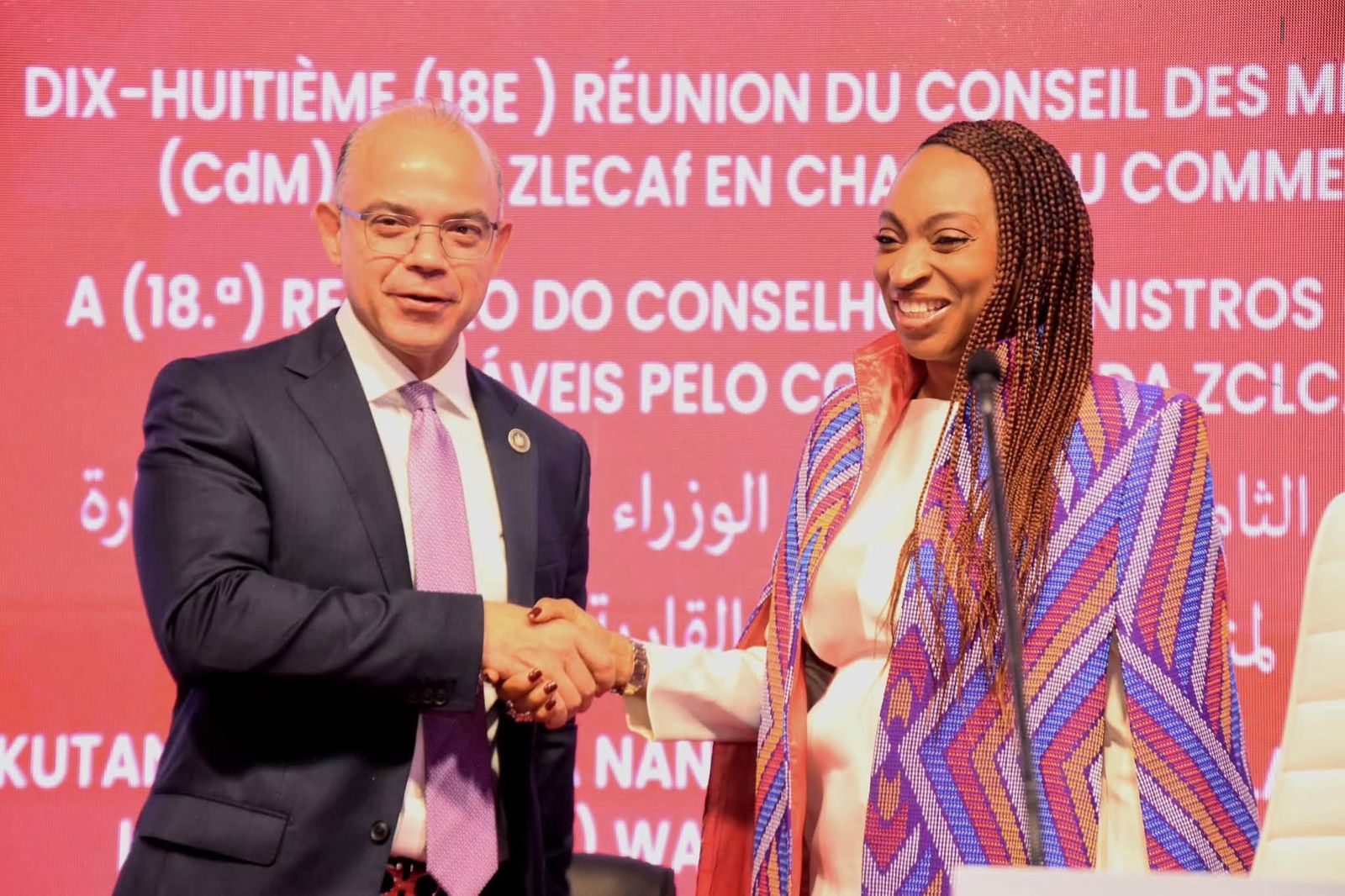
During the handover ceremony, the Minister congratulated the Federal Republic of Nigeria on assuming the presidency of the Council of Ministers, wishing it success in leading the next phase of the African economic integration process, and affirming Egypt’s readiness to provide various forms of support to the Nigerian presidency, and to build on what has been achieved during the Egyptian presidency, in order to accelerate the implementation of the agreement and achieve its objectives.
Dr. Mohamed Farid reviewed the most prominent achievements during the Egyptian presidency of the Council, noting its success in advancing technical and institutional negotiations and reaching an African consensus on the rules of origin for the ready-made garments, textiles, and automobile sectors. These were files that remained under negotiation for more than four years before reaching a transitional implementation mechanism that was unanimously approved by the member states, representing an important step towards completing the requirements for the full implementation of the agreement and enhancing intra-African trade.
Strengthening economic integration among African countries
The minister stressed that the Egyptian presidency of the council focused on pushing forward the practical implementation of the agreement, removing obstacles to intra-regional trade, and enhancing economic integration among African countries, thus providing greater opportunities for the private sector, supporting access for Egyptian exports to African markets, and enhancing the ability of Egyptian companies to expand in the continent’s markets.
The Ministerial Council meeting was preceded by a series of technical and institutional meetings, including meetings of technical committees and senior trade officials, which discussed the level of implementation of the agreement in the areas of trade in goods and services, digital trade, investment, intellectual property rights, and the empowerment of women and youth, in addition to developing mechanisms for liberalizing customs tariffs and completing negotiations on the remaining package of rules of origin, in order to support access for goods and services to African markets.
Results of the African Heads of State and Government Summit held in February 2026
The Ministerial Council also considered a number of institutional reports, including the report of the Secretary-General of the African Continental Free Trade Area Secretariat on the status of implementation of the Agreement, the outcomes of the Summit of African Heads of State and Government held in February 2026, updates on the ratification of the legal instruments of the Agreement, the report of the 22nd meeting of the Committee of Senior Trade Officials, as well as reports of the Dispute Settlement Body and the Action Plan on Agricultural Trade.
The Ministerial Council adopted a package of decisions and regulations supporting the effective implementation of the agreement, including the ministerial regulation on granting preferential market access to women and young people working in trade, and the draft agreement on mutual recognition of conformity certificates, in addition to adopting regulatory frameworks related to competition, mergers and acquisitions, which enhances the trade and investment environment within the continent, and contributes to creating a more attractive climate for investments, and promoting the flow of trade between member states.
Maximizing the benefits of free trade agreements
Dr. Farid pointed out that the Ministry of Investment and Foreign Trade places maximizing the benefits of free trade agreements at the forefront of its priorities, as it is one of the main tools to achieve the state’s objectives of increasing exports, raising investment rates, enhancing the competitiveness of the Egyptian economy, and creating new opportunities for the private sector, within the framework of the economic and structural reform program implemented by the state to improve the business environment, facilitate trade, and enhance the integration of the Egyptian economy into regional and global value chains.
He stressed that the integration of investment and foreign trade policies is one of the main pillars of the ministry’s strategy, which maximizes the economic return from investments, links them to production and export, and enhances the competitiveness of the Egyptian economy.
The minister explained that the ministry is implementing an integrated vision that links investment policies with foreign trade, and maximizes the benefits of free trade agreements, in order to support attracting investments directed towards production and export, deepening local manufacturing, raising the competitiveness of the Egyptian economy, and enabling the private sector to expand into foreign markets, within the framework of the economic and structural reform program.
He affirmed that Egypt will continue its active role within the agreement, in cooperation with the Nigerian Presidency and member states, to maximize the benefit from the trade and investment opportunities provided by the agreement, support access for Egyptian exports, and enhance Egypt’s position as a regional center for trade, investment, production and export, and a major gateway to African markets.