Egypt hosts the preparatory meeting of the African Group to Combat Desertification
Egypt is leading African coordination efforts to combat desertification.
Written by: Badr Ahmed
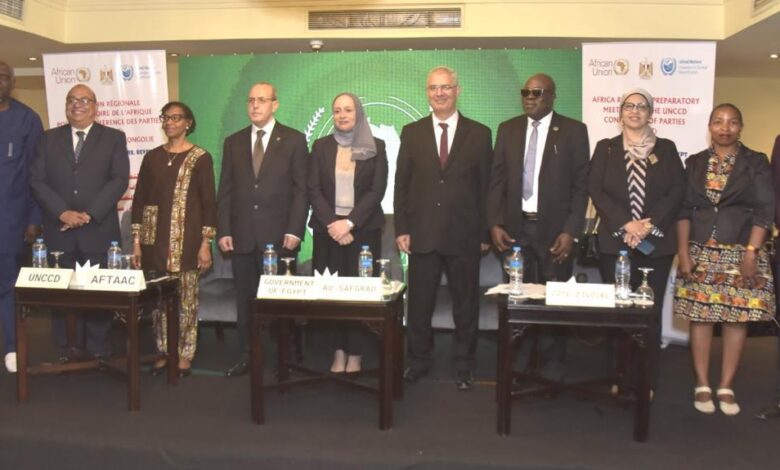
The Arab Republic of Egypt, represented by the Ministry of Agriculture and Land Reclamation, hosted the preparatory meeting of the African Group of Negotiators of the United Nations Convention to Combat Desertification, as part of the preparations for the seventeenth session of the Conference of the Parties COP17. .
Egypt is leading African coordination efforts to combat desertification ahead of COP17.
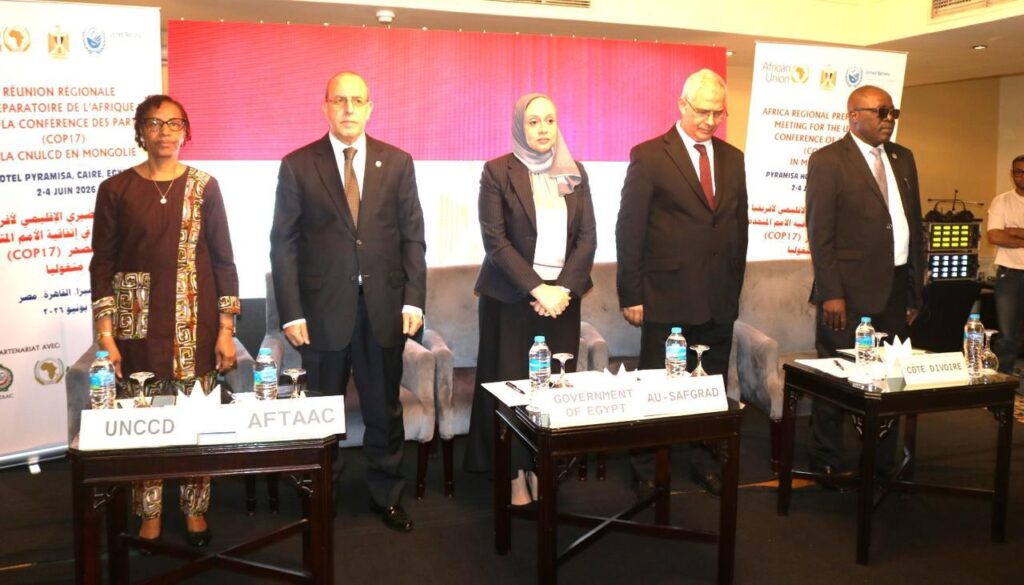
The meeting, organized by the Desert Research Center under the auspices of Mr. Alaa Farouk, Minister of Agriculture and Land Reclamation, witnessed the participation of representatives from the African Union Commission and the Secretariat of the United Nations Convention to Combat Desertification, along with experts and negotiators from various African countries.
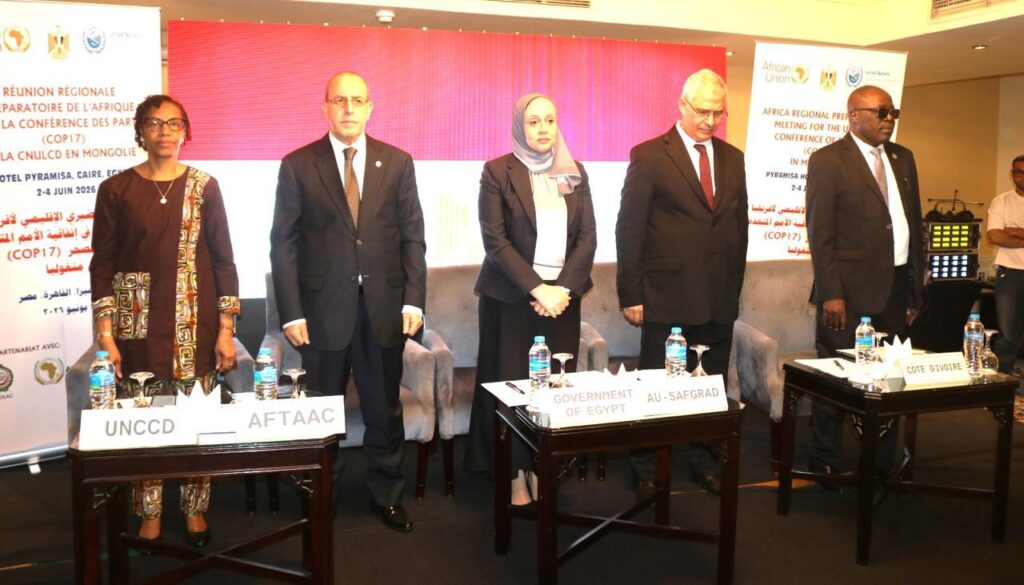
During the opening session, Dr. Ghada Hegazy, Vice President of the Desert Research Center for Research and Studies, delivered a speech on behalf of Dr. Hossam Shawky, President of the Center and National Coordinator of the United Nations Convention to Combat Desertification, in which she conveyed the greetings of the Minister of Agriculture and the President of the Center to all participants, welcoming the African delegations to Egypt, and emphasizing the Egyptian state’s commitment to supporting joint African action and enhancing coordination among the countries of the continent to confront the challenges of desertification, drought and land degradation.
The center’s vice president pointed out that land, water and food security issues have become among the most prominent challenges facing the African continent in light of accelerating climate change, stressing that combating desertification is not only an environmental issue, but also a developmental and economic priority directly linked to achieving stability and improving the livelihoods of local communities.
She also emphasized the importance of rangeland development and its sustainable management, and of supporting pastoral communities, particularly in arid and semi-arid regions, to enhance their resilience and adaptability to the impacts of drought and climate change. She further stressed the need to strengthen integration and coordination among the three Rio Conventions to ensure the optimal use of international resources and funding allocated to address environmental and developmental challenges.
Hijazi explained that the meeting comes at a crucial time, coinciding with the ongoing preparations for the 17th Conference of the Parties and the continuation of discussions regarding the future strategy of the United Nations Convention to Combat Desertification beyond 2030. She pointed out that this requires formulating a unified African position that reflects the continent's priorities and development needs, especially with regard to land restoration, enhancing resilience to drought, achieving food security, providing financing, technology transfer, and capacity building.
She expressed her appreciation to the African Union Commission, the Secretariat of the Convention, and all partners and organizers for their efforts in preparing for this meeting, expressing her hope that its outcomes will contribute to strengthening the African position during the upcoming international negotiations and supporting sustainable development efforts across the African continent.