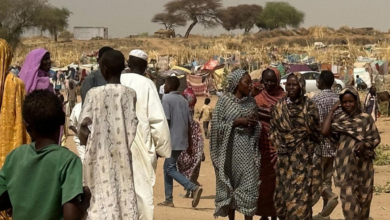
How did illegal mines in Congo become a hotbed for the deadly Ebola outbreak?
Threat to regional health security
Written by Omnia Hassan
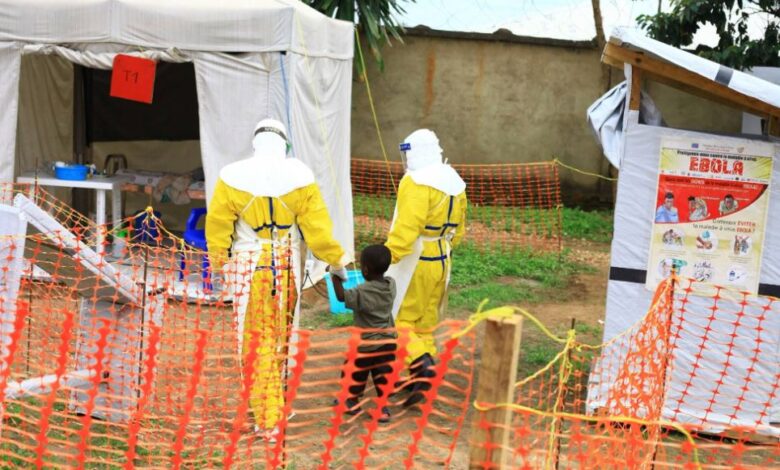
The Republic is witnessing Congo Democracy is experiencing one of the most dangerous Ebola outbreaks in recent years, amid international warnings that unregulated gold mining activities in the northeast of the country are directly contributing to accelerating the spread of the disease and threatening regional health security.
A rare strain is raising concerns among experts.
The health crisis began in May 2026, but quickly developed into an international emergency due to its association with a rare strain of the Ebola virus known as “Bundibugyo”.
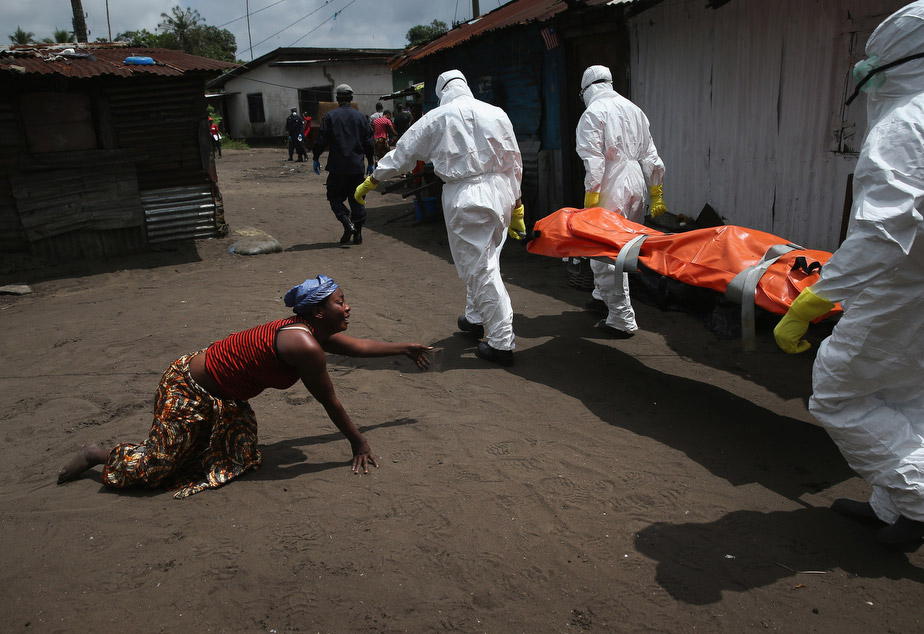
This strain differs from the more common types that Africa has seen before, as there are currently no approved vaccines or treatments to combat it, which makes it more difficult to contain the outbreak and increases fears of its spread.
Gold mines at the heart of the crisis
The infections are concentrated in the mineral-rich Ituri province, where high gold prices and rising global demand have driven thousands of workers to venture deep into tropical forests in search of wealth.
However, this haphazard expansion has led to the removal of large areas of vegetation cover and the destruction of the ecological balance in the region.
Epidemiologists confirm that logging and mining expansion have brought humans closer to the habitats of wild animals, especially fruit bats, which are natural reservoirs for the Ebola virus, greatly increasing the likelihood of transmission to humans.
Increased infections and cross-border transmission
According to health authorities, the virus has infected hundreds of people and claimed an increasing number of victims, while experts believe the true figures are likely higher due to poor health monitoring in remote mining areas.
The crisis was not confined to the borders of Congo, as cases were recorded in neighboring Uganda, including the capital Kampala, prompting the World Health Organization to declare the outbreak a public health emergency of international concern.
Armed conflict complicates containment efforts
Medical teams face enormous challenges in containing the epidemic due to ongoing armed conflicts in eastern Congo, as well as a lack of trust between some local communities and health authorities.
Many miners are also hesitant to report symptoms for fear of losing their livelihoods or being prosecuted.
As workers continue to flock to the goldfields, health organizations stress that controlling the epidemic will remain a complex task unless health monitoring is strengthened and mining activities are regulated in a way that reduces the risk of diseases being transmitted from wildlife to humans.