Floods kill 12 people in Ghana; government launches emergency relief plan
Written by: Mohamed Ragab
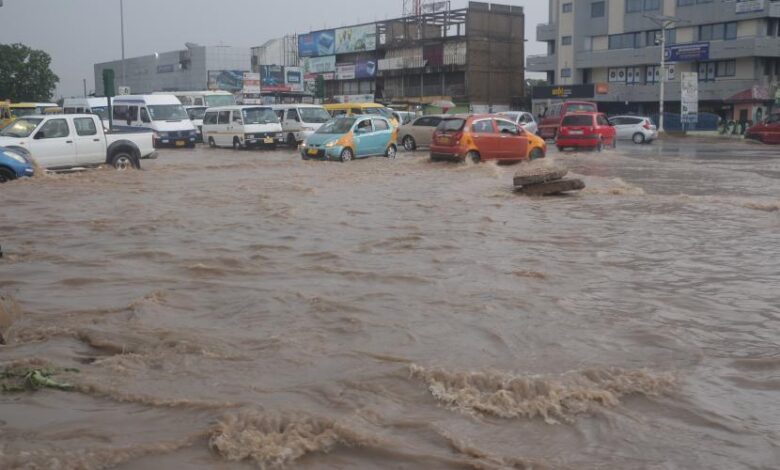
At least 12 people have died as a result of floods that swept through large parts of Ghana, including the capital Accra, following unprecedented heavy rains that inundated roads and homes and disrupted traffic, while rescue teams continued to search for missing persons and rescue those trapped.
Ghana's National Fire Service announced that among the victims were three women, eight men, and a child, confirming that emergency teams had managed to rescue more than 470 people, while rescue operations were still ongoing and the death toll was expected to rise.
Record rainfall hits the Ghanaian capital
Ghanaian President John Dramani Mahama explained that the capital, Accra, recorded about 140 millimeters of rain in a short period, the highest rainfall rate the city has seen in years, compared to only about 56 millimeters as the highest daily rate recorded during the past year.
The President pointed out that the intensity of the rainfall reflects the effects of climate change, stressing that these weather phenomena have become more severe and frequent, which requires strengthening the state’s readiness to face natural disasters.
The government allocates 300 million dirhams for relief operations.
In response to the crisis, the Ghanaian government announced the allocation of 300 million Ghanaian cedis, equivalent to $27 million, to fund relief operations and assist those affected by the floods.
President Mahama also directed the deployment of units from the armed forces and police to support the National Disaster Management Organization (NADMO) and other emergency agencies, with the aim of accelerating rescue operations and providing assistance to the disaster-stricken areas.
Infrastructure problems exacerbate the effects of the disaster
Accra is subject to frequent flooding during the rainy season. Experts attribute the worsening crisis to weak rainwater drainage networks, haphazard construction over waterways, and poor urban planning, factors that increase the scale of human and material losses with each rainy season.
Other cities and regions in Ghana, including Tema, also suffered significant damage as a result of the floods, with water inundating main roads, shops and homes, disrupting basic services and making it difficult for rescue teams to reach some areas.
Fears of continued rain and rising losses
Authorities warn that continued rainfall could lead to a higher death toll and wider flooding, while emergency teams continue to assess the extent of the damage and provide humanitarian assistance to those affected.
This disaster comes amid the increasing impact of extreme weather events in West Africa, where several countries in the region have experienced more severe flooding in recent years, posing increasing challenges for governments in disaster management and infrastructure development.