A breakthrough is expected in relations between Benin and Niger with Wadani taking office.
Security and economic challenges are pushing neighboring countries to cooperate.
Written by Ziad Abdel Fattah:
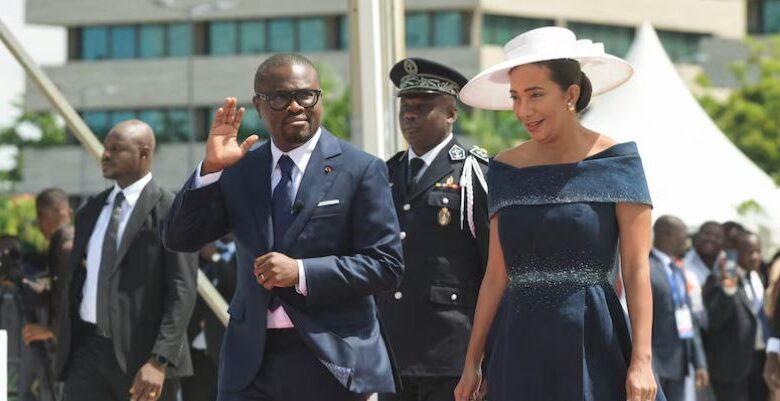
The new president of Benin took office, Romwald and AdaniHe officially took office on Sunday, promising stability, security and regional cooperation – but it was the presence of Niger's Prime Minister Ali Mahamane Lamine Zene at the ceremony that drew particular attention across West Africa.
After months of strained relations between Benin and the military-led Sahel alliance, Zene's visit to Cotonou appeared to signal a temporary diplomatic breakthrough and a willingness on both sides to reopen dialogue.
The inauguration ceremony came at a sensitive moment for the region, as security threats, economic pressures and political divisions following a series of coups in the Sahel have led to a reshaping of alliances between neighboring countries.
A visit after months of tension
Relations between Benin and Niger deteriorated sharply after the July 2023 coup in Niamey, the capital of Niger.
Border closures, political disputes, and differing regional alliances have deepened the mistrust between the two neighbors.
Against this backdrop, Zini's attendance at Wadani's inauguration ceremony was widely interpreted as an important gesture of international détente.
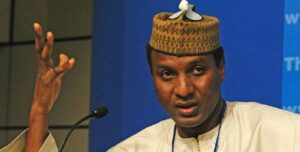
Speaking after the ceremony, the Prime Minister of Niger noted that both countries are entering a new phase of rapprochement, pointing out that this is a new path opening up for both countries and, most importantly, strengthening relations and ensuring the ability to work together.
Wadani's emphasis on African-led solutions and regional self-determination is appreciated, themes increasingly echoed by Sahel governments distancing themselves from traditional Western partners.
Wadani points to a pragmatic regional approach
Wadani, a former finance minister and economist, is widely seen as a candidate for continuity after two terms under outgoing President Patrice Talon.
But analysts say his technocratic and pragmatic personality may also make him more inclined toward a conciliatory regional approach.
During his inaugural address, Wadani stressed the importance of rebuilding cooperation with neighboring countries.
He said: “We will pay special attention to deepening regional cooperation with neighboring countries. Benin will continue to work for stability, dialogue and respect.”.
The 49-year-old also sought to frame his presidency around responsibility and public service.
Wadani declared: “I will serve Benin with integrity, courage, and steadfastness. I will serve fully aware that power is never a personal privilege.”.
Security and economic pressures drive participation
Wadani takes office at a time when Benin is facing an escalation of jihadist violence in its northern regions, largely attributed to the al-Qaeda-linked Jama'at Nasr al-Islam wal Muslimin (JNIM).
Meanwhile, Niger and Burkina Faso continue to fight growing Islamist insurgencies while facing diplomatic isolation from parts of the Economic Community of West African States (ECOWAS).
For all parties, security and economic challenges are pushing neighboring countries toward renewed engagement despite recent political divisions.
During Wadani’s decade-long tenure as finance minister, Benin experienced strong economic growth and improved public finances, although inequality remained high.
The immediate challenge he faces is balancing domestic stability with regional diplomacy – particularly with Sahelian neighbors whose relations with Cotonou have become severely strained.
Sunday's inauguration ceremony may not resolve those tensions overnight. But the symbolism of Niger's presence in Cotonou suggests that channels of communication, at least, are beginning to reopen.