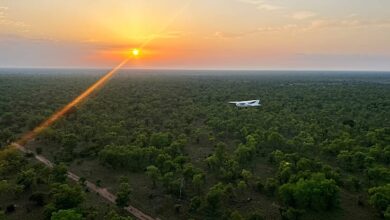
A remarkable revival of wildlife in Akagera National Park is boosting Rwanda's tourism appeal.
Ahmed Salem
Akagera National Park in Rwanda is experiencing a remarkable wildlife revival, in one of the most notable conservation success stories, following years of intensive efforts to protect endangered species and restore ecological balance within the park.
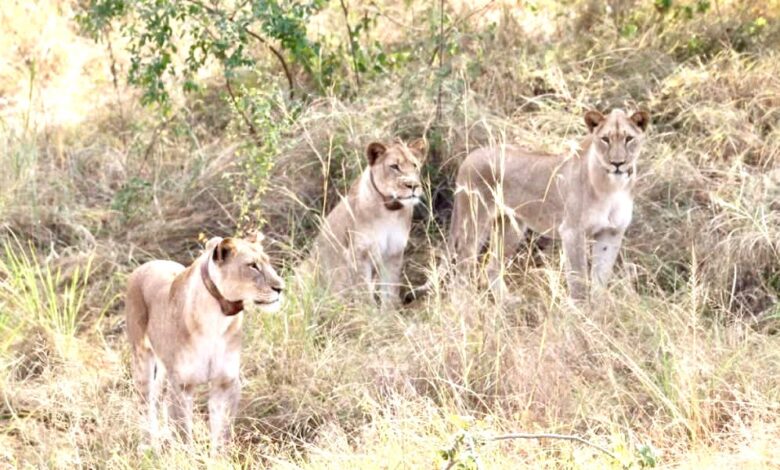
The latest surveys showed that the elephant population has risen to at least 150 elephants, following the detection of six elephants that were not previously recorded, while the number of lions has risen to at least 70 lions since their reintroduction in 2015, in a clear indication of the success of breeding and protection programs.
rhinos
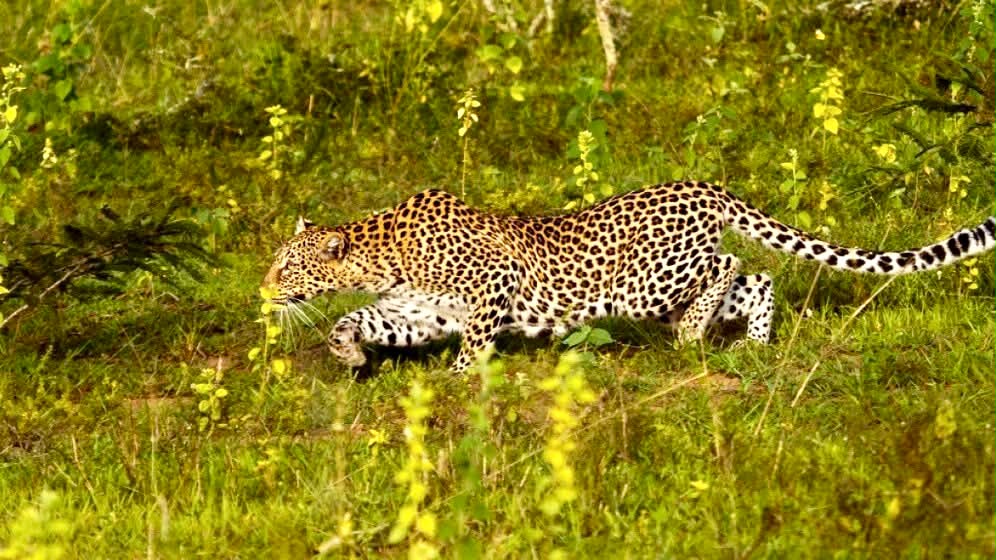
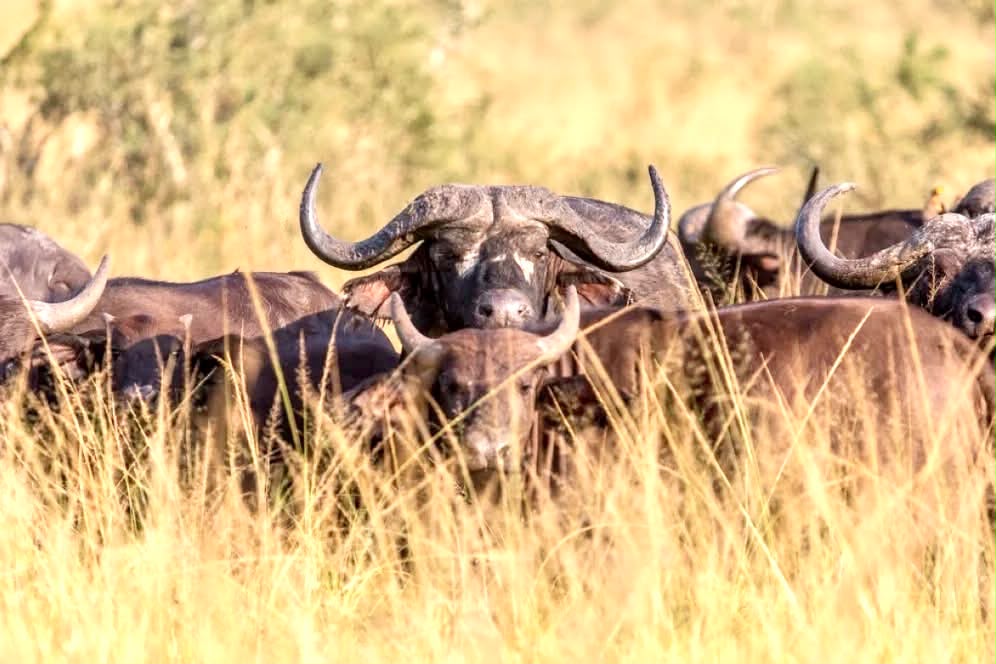
The rhinoceros population has also recovered in the park after having been extinct there, thanks to successful reintroduction programs and natural breeding. Meanwhile, the buffalo population has exceeded 3,300, while the tiger population is estimated at no fewer than 60.
Environmentalists assert that this recovery is due to a set of integrated measures, most notably the intensification of efforts to combat poaching, the strengthening of scientific monitoring programs for wildlife, the protection of natural habitats, and the reduction of conflict between humans and wildlife.
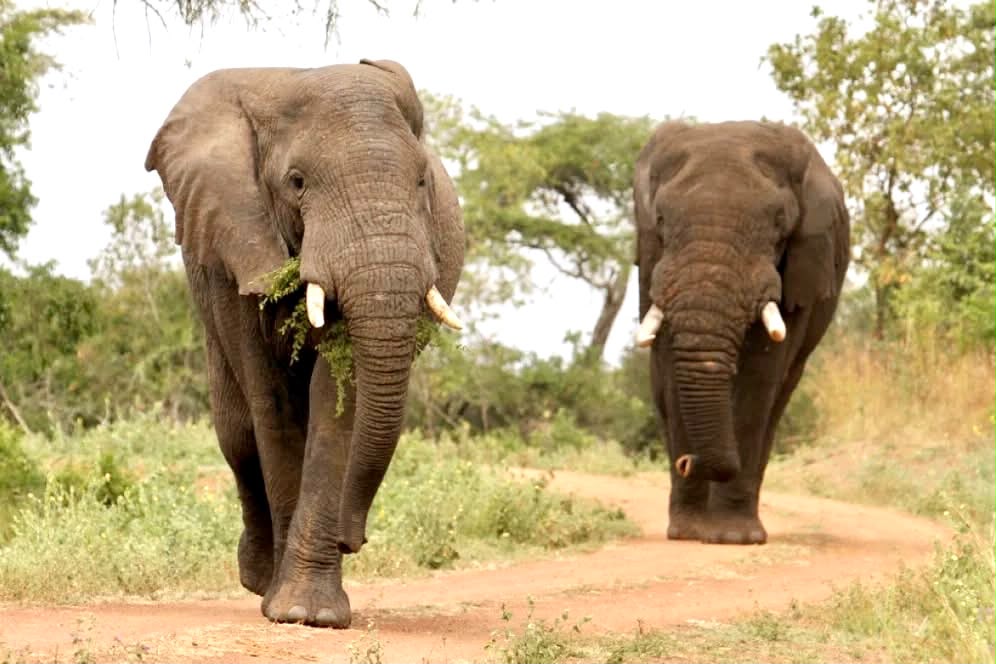
The results of these efforts were not limited to restoring biodiversity, but were also reflected in the tourism sector, as the return of the Big Five to Akagera contributed to attracting record numbers of visitors and generating millions of dollars in revenue, which strengthened Rwanda’s position as one of the most prominent African destinations for ecotourism and wildlife.