Ethiopia's elections are on a knife's edge... Abiy Ahmed wins amid widespread public apathy
The capital, Addis Ababa, is free of propaganda.
Written by Ziad Abdel Fattah:
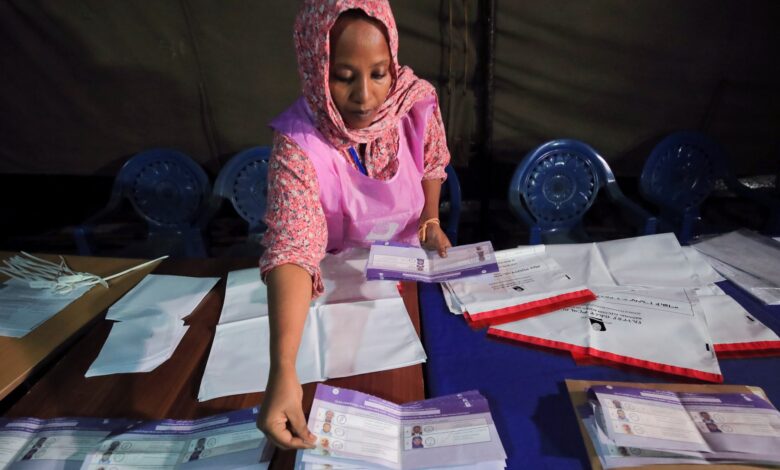
In an atmosphere dominated by ambiguityEthiopia is preparing to hold general elections next Monday that will determine the next five years in Africa's second most populous country, amid near-certain expectations of a landslide victory for Prime Minister Abiy Ahmed's Prosperity Party.
Despite the importance of the election, the capital Addis Ababa appears almost devoid of campaigning, with election posters and mass gatherings being rare, in a scene that reflects a decline in popular enthusiasm and voters' confidence in the usefulness of the political process.
Abiy Ahmed's Prosperity Party is confident of victory
The Prosperity Party held only one major election rally in the capital, which ended early without the presence of Abiy Ahmed, who has been in power since 2018, indicating the party's confidence in achieving victory without the need for intensive campaigning.
Ethiopia elections witness voter apathy
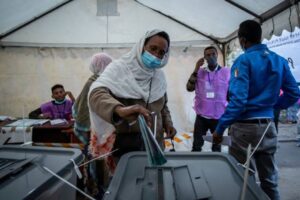
The scene reflects a state of apathy among citizens, as many believe that the election results are predetermined, based on a long history of one party dominating parliament since the overthrow of the Derg regime in 1991, often with percentages exceeding 90% amid repeated accusations of fraud.
A number of citizens said they do not intend to participate, believing that their votes will not affect the results, especially in a political climate characterized by extremism, which leads some to not reveal their identity for fear of harassment.
Although Abiy Ahmed came to power with a reformist speech that included the release of dissidents and journalists, and later received the Nobel Peace Prize after his agreement with Eritrea, his years in power have witnessed a decline in freedoms, especially in the field of media.
Ethiopia has fallen to 148th place out of 180 countries in the Press Freedom Index, with restrictions imposed on election coverage and a number of international media outlets barred from entering the country.
On the economic front, the Prosperity Party is touting remarkable achievements, with the Ethiopian economy achieving growth rates exceeding 7% annually, with expectations of reaching more than 10% this year.
Serious security challenges
But these positive indicators coincide with serious security challenges, as the country is experiencing ethnic conflicts and unrest in several regions, most notably Amhara and Oromia, where rebel groups have threatened to disrupt the electoral process.
Elections will also not be held in the Tigray region, which is still suffering the aftermath of the civil war between 2020 and 2022, which left about one million displaced, with tension continuing between the federal government and the regional authorities.
Results to be announced on June 11
The results are scheduled to be announced on June 11, amid expectations that there will be no surprises, especially since the Prosperity Party won approximately 96% of parliamentary seats in the 2021 elections, and is running unopposed in dozens of constituencies in the current race.
Despite the existence of about 40 opposition parties, they lack a strong competitor, with the largest covering less than 60% of seats, thus enhancing the ruling party's chances of retaining power.
In this context, opposition leaders considered that holding elections under these circumstances was merely a formal procedure aimed at legitimizing the process in the eyes of the international community, rather than a genuine expression of the will of the voters.