Togo's independence: the day France was expelled from the country.
Togo National Day
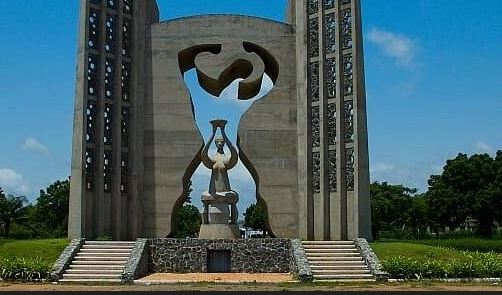
April 27th of each year is a national day for TogoWhich coincides with its gaining independence from France in 1960.
Togo had previously suffered from German colonialism, followed by French colonialism, and its people gained their freedom after many years of struggle and demands for self-determination.
Independence Day is an opportunity to assess the achievements and challenges in Togo.
Independence Day is celebrated throughout the country with a series of events. In the capital, Lomé, official ceremonies are held, including a traditional military parade in the festival square, with the participation of the armed forces, students, civil organizations and public institutions, as well as the delivery of national speeches, the holding of ecumenical prayers and cultural activities.
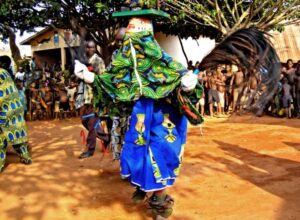
In towns and villages, concerts, traditional dances, sports competitions and popular events are organized to celebrate this national occasion.
Independence strengthens the values of solidarity and peace among the people of Togo.
The importance of the day is not limited to celebration only, but it also represents an opportunity to assess what has been achieved since independence, to reflect on current challenges, and to promote the values of national unity, peace and solidarity among the people of Togo.
Togo is the smallest country on the continent, with an area of about 57,000 square kilometers. It is located in West Africa and is characterized by its narrow, elongated shape.
April 27th... Freedom and National Unity Day in Togo
Togo is bordered by Ghana to the west, Benin to the east, Burkina Faso to the north, and the Atlantic Ocean (Gulf of Guinea) to the south.
Lomé is its largest city and capital, with a population of about 10 million. About two-thirds of the population are under 30 years old, making it a young country. They speak local dialects, but French is the official language.
As for their beliefs, traditional Voodoo practices are widespread in Togo alongside Islam and Christianity, and they wear brightly colored clothes made of “Kante” or “Bagan” fabric.