Eid al-Adha celebrations in Africa: Many rituals for one occasion
Eid al-Adha celebrations in Africa
Written by: Omnia Hassan
The countries receive African Eid al-Adha is celebrated with diverse rituals that reflect the continent’s cultural and religious richness, where Islamic rituals blend with local customs passed down through generations.
A blend of worship and cultural identity
The holiday is one of the most prominent social and religious occasions in many predominantly Muslim African countries, such as Egypt, Nigeria, Senegal, Morocco and Sudan.
Egypt and Morocco: Sacrifices and family gatherings
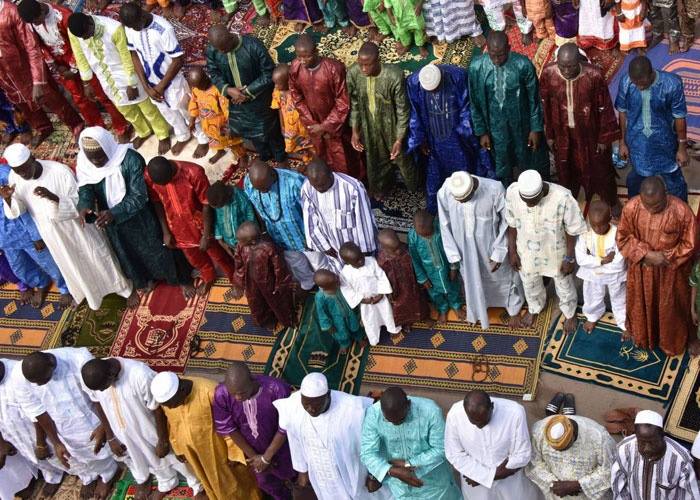
In Egypt, the celebrations begin with performing the Eid prayer in the large squares and mosques, then families gather to slaughter the sacrificial animals and distribute the meat to relatives and the neediest groups. Egyptian cities are also famous for preparing traditional dishes such as “Fatteh”, which is considered a main dish during Eid.
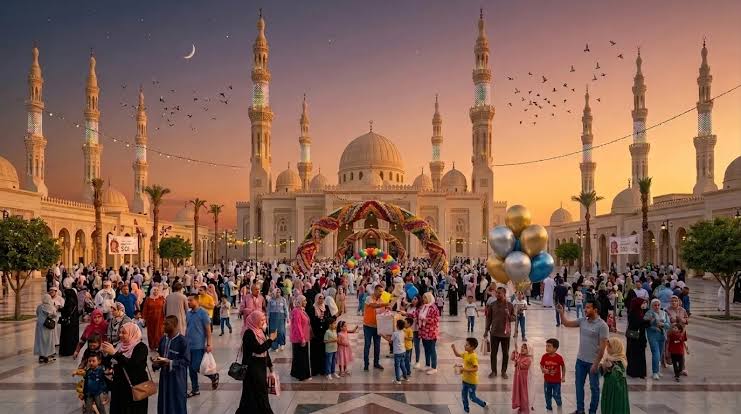
In Morocco, Moroccans maintain special rituals that include buying sacrificial animals days before Eid, as well as wearing traditional clothes and preparing dishes such as “Mrouzia” and ”Boulfaf,” while popular neighborhoods turn into festive scenes that reflect family cohesion.
Senegal and Nigeria: Mass celebrations and crowded markets
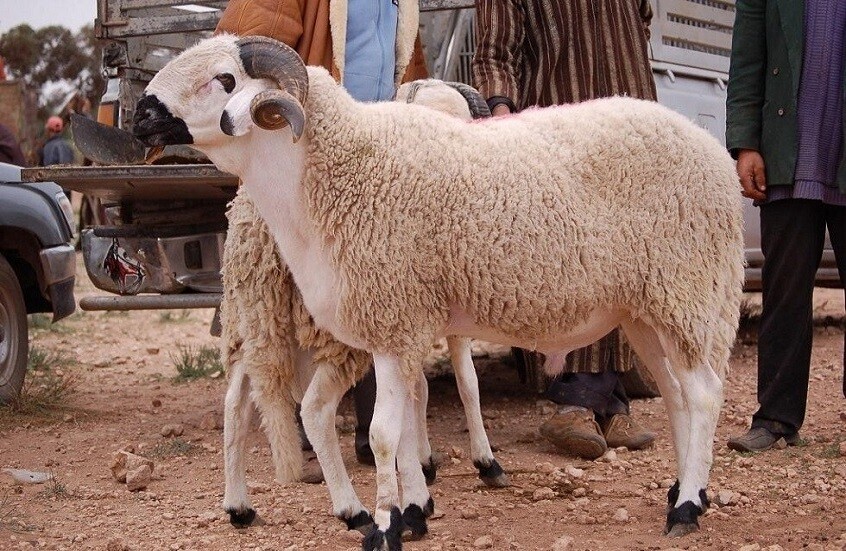
In Senegal, Eid al-Adha is known as “Tabaski,” and it is one of the most important religious occasions in the country. The capital, Dakar, witnesses intense commercial activity before the Eid, especially in livestock markets, while families are keen to exchange visits and organize group feasts.
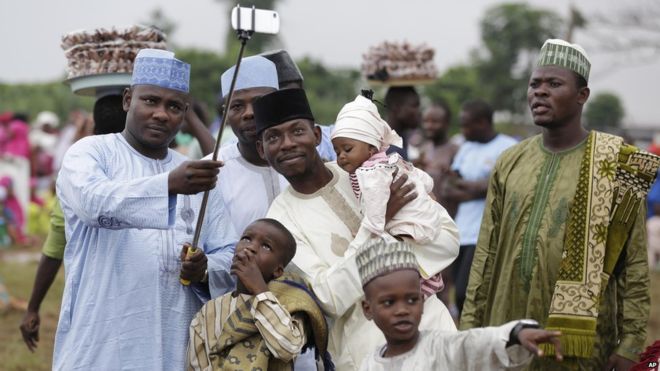
In Nigeria, Muslims celebrate the holiday through group prayers and popular festivals, especially in the northern states.
Traditional markets are also active, and the buying of sheep and new clothes is increasing, amidst a social atmosphere that promotes the spirit of solidarity.
Sudan and Tanzania adhere to local customs
In Sudan, Eid al-Adha is associated with tribal customs and family visits, where large feasts are held and meat is distributed to neighbors and the poor, while in Tanzania, celebrations blend African traditions with Islamic teachings, especially in predominantly Muslim Zanzibar.
Reports from the African Union and international Islamic organizations confirm that religious holidays in Africa play an important role in promoting social cohesion and supporting economic activities, especially livestock trade and seasonal markets, making Eid al-Adha a religious, economic and cultural occasion all at once.
Eid al-Adha boosts the local economy in Africa
The importance of Eid al-Adha in African countries is not limited to the religious and social aspects only, but its impact extends to the local economy, as livestock markets and seasonal trade witness a great boom during the Eid period.
In countries like Kenya, Ethiopia, and Mauritania, thousands of breeders and traders depend on the Eid season to earn a large part of their annual income, with increased demand for sheep, cattle, traditional clothing, and food. Charity campaigns and the distribution of meat in poor neighborhoods also become active, reflecting the spirit of solidarity that characterizes African societies during this blessed occasion.