IMF Meetings 2026: Crucial discussions on the global economy
Challenges of inflation, debt, and geopolitical tensions
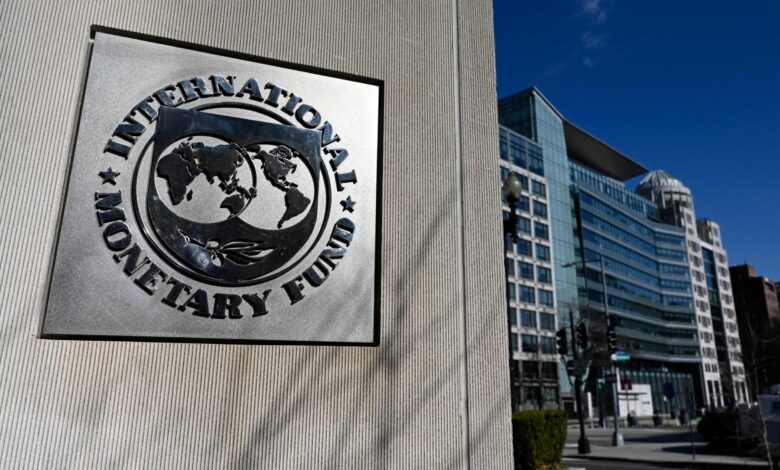
From April 13 to 18, 2026, the American capital, Washington, will host the Spring Meetings of the International Monetary Fund and the World Bank, a prominent global economic event that brings together finance ministers, central bank governors, and leaders of international financial institutions to discuss the future of the global economy in light of intertwined crises including inflation, sovereign debt, and geopolitical tensions.
A busy economic agenda amid global crises
This year’s meetings come at a time when the global economy is facing significant pressure due to ongoing geopolitical tensions in more than one region, along with supply chain disruptions and rising energy prices.
The global debt crisis is also high on the agenda, as many low-income countries are suffering from unprecedentedly high borrowing costs, threatening to increase the risk of financial default and posing challenges for international institutions regarding debt restructuring and providing the necessary financing for growth.
Emerging economies under scrutiny
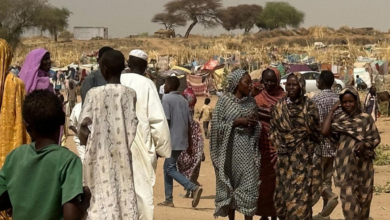
Emerging economies feature prominently in the discussions at the meetings, particularly those countries facing the dual pressure of maintaining monetary stability and implementing stringent economic reforms. These countries include a number of economies in Africa, Asia, and the Middle East, which are increasingly reliant on support and financing programs from the International Monetary Fund.
In this context, the importance of monitoring the performance of economic reform programs, which are based on controlling the budget deficit, strengthening foreign exchange reserves, and stimulating growth through structural reforms in key sectors such as energy, taxes, and investment, becomes clear.
Inflation and financial stability are top priorities
Inflation remains one of the most prominent challenges discussed by policymakers during meetings, as economic estimates confirm that control over rising prices is not yet complete in many major and emerging economies alike.
The IMF also emphasizes the importance of striking a balance between monetary tightening policies aimed at curbing inflation and the need to support economic growth and avoid entering a prolonged global economic recession.
Reforming the global financial system
The meetings will also discuss the future of the global financial system, including ways to enhance its ability to cope with crises, develop international financing tools, and improve lending mechanisms for the most needy countries. Issues related to digital transformation, artificial intelligence, and their role in reshaping modern economies will also be raised.
In addition, there is growing interest in climate issues, with the IMF and the World Bank seeking to boost financing for green transition projects and support countries in dealing with the repercussions of climate change.
Expected decisions and new economic directions
The meetings are expected to produce a set of recommendations and policies that will affect the global economy in the coming period, particularly with regard to financial support programs, debt restructuring mechanisms, and enhancing global financial stability.