Africa at the heart of the global uranium race
A new map of nuclear energy is taking shape south of the Sahara.
Written by Omnia Hassan
The continent is witnessing Africa It has rapidly become a central arena in the global uranium race, with rising demand for nuclear power and growing concerns about security of supply. As countries such as Namibia, Niger and South Africa move to the forefront of production, geopolitical competition intensifies among major powers, most notably France, China and Russia, to control this strategic resource.
Namibia is a rising power in the uranium market.
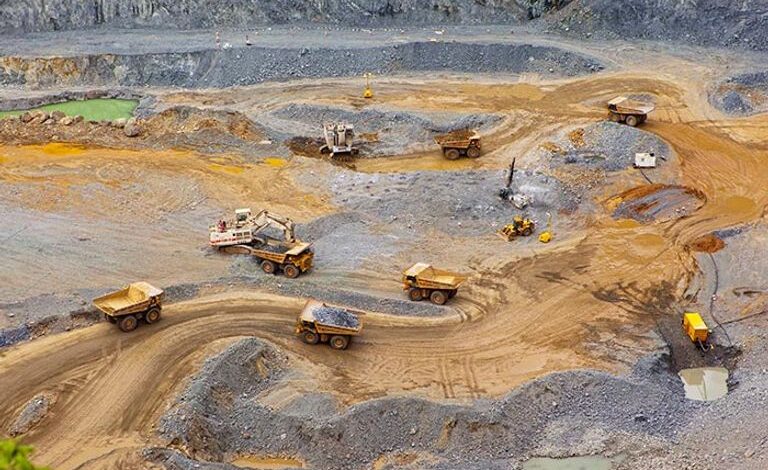
The data confirms that Namibia has become the world’s third largest producer of uranium after Kazakhstan and Canada, driven by major projects such as “Hosap” and “Russing”.
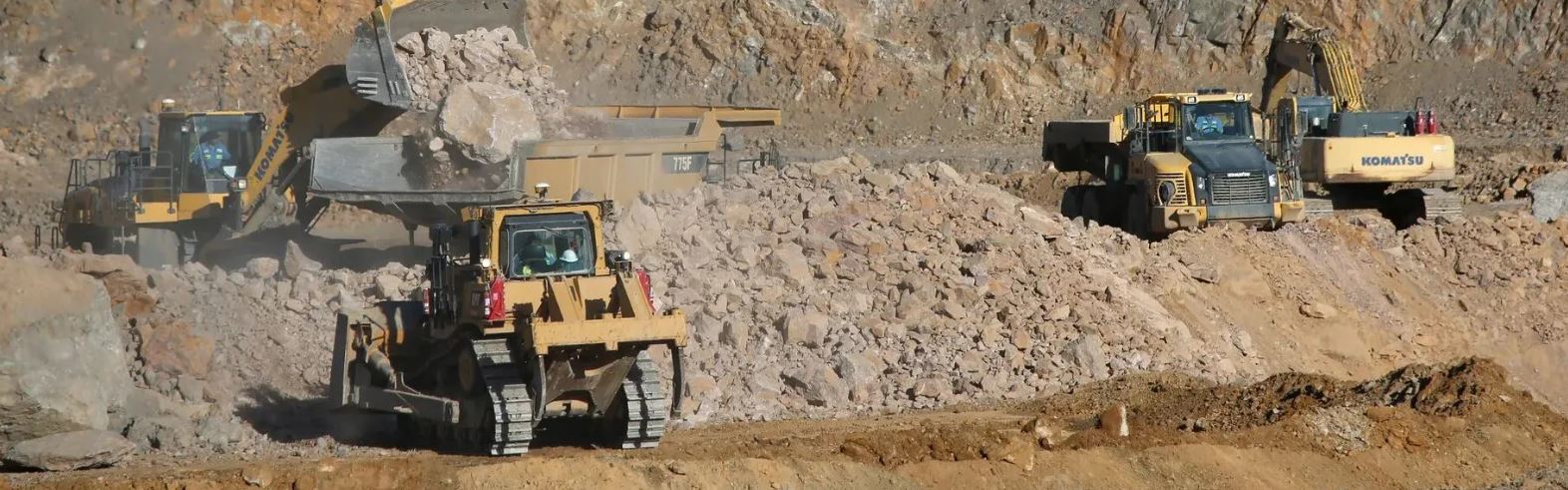
The recent production surge, exceeding 7,000 tons per year, demonstrates a clear rise in the country's importance within global nuclear supply chains, especially with the influx of heavy Asian investments into the sector.
Niger: From Production Hub to Conflict Zone
In contrast, Niger is undergoing a profound restructuring of its mining sector, following a series of political decisions that have reduced the influence of foreign companies.
The closure of some mines and the modification of contracts have led to a decline in production and disruption of supplies, while the sector has become a focus of competition between traditional partners and new players, foremost among them Russia.
South Africa has a huge reserve waiting to explode.
Despite its limited current production, South Africa possesses a vast resource base that makes it a strong potential future player, especially if uranium prices improve. Most of the production comes as a byproduct of gold mining, giving the sector significant untapped potential for expansion.
The race for influence: energy as a tool of power
The accelerated moves by France, China, and Russia reflect a redrawing of the map of influence in Africa, where uranium is no longer merely a strategic mineral, but a bargaining chip in global energy and security equations. With expanding exploration and increased investment, the continent appears poised for a new phase of intense international competition over its nuclear resources.
The future of nuclear energy in Africa: Growing opportunities and challenges
Despite the investment momentum and accelerating international competition, the uranium sector in Africa faces structural challenges that cannot be ignored, most notably the fluctuations in political stability, weak infrastructure, and the instability of the legislative frameworks regulating mining.
These factors make long-term extraction projects hostage to complex internal equations, even in countries with huge reserves.
Conversely, the continent has significant opportunities to strengthen its position in the global nuclear energy market, especially with the increasing trend towards low-carbon energy and the reliance of industrialized countries on uranium as an alternative strategic source.