Africa: Between resource wealth and electricity poverty... a crisis costing the continent billions of dollars
A funding crisis before it is an energy crisis
Written by: Mohammed Omran
Africa possesses one of the greatest natural energy resources on the planet. It is the continent with the highest rates of solar irradiance globally, and it has huge reserves of natural gas and oil, along with enormous potential for hydroelectric and wind power and vital minerals needed for the global transition to clean energy.
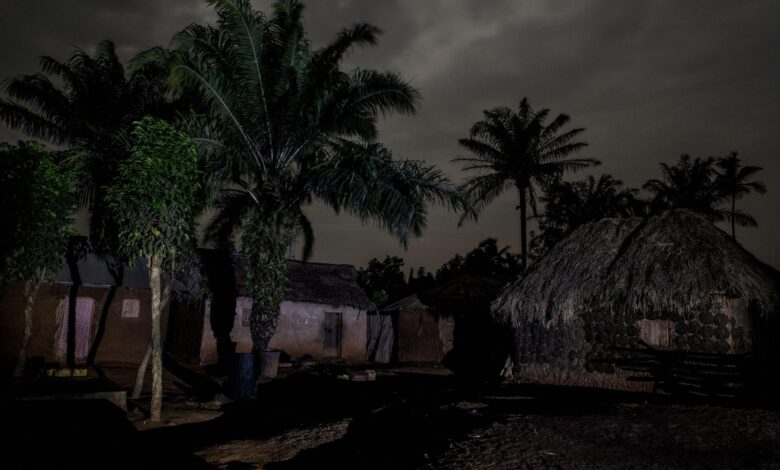
However, hundreds of millions of Africans still live without electricity, in one of the world's greatest economic and developmental paradoxes.
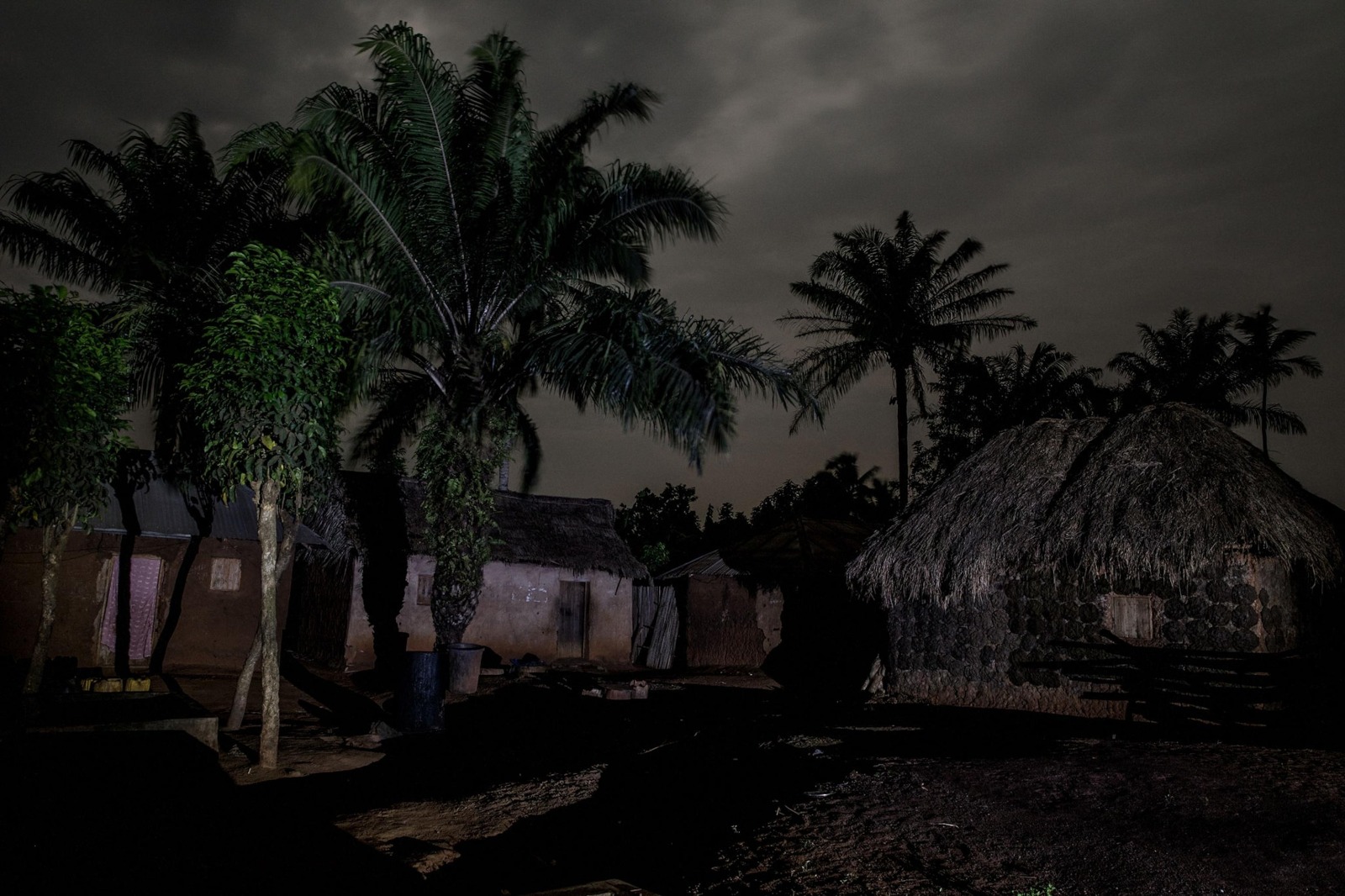
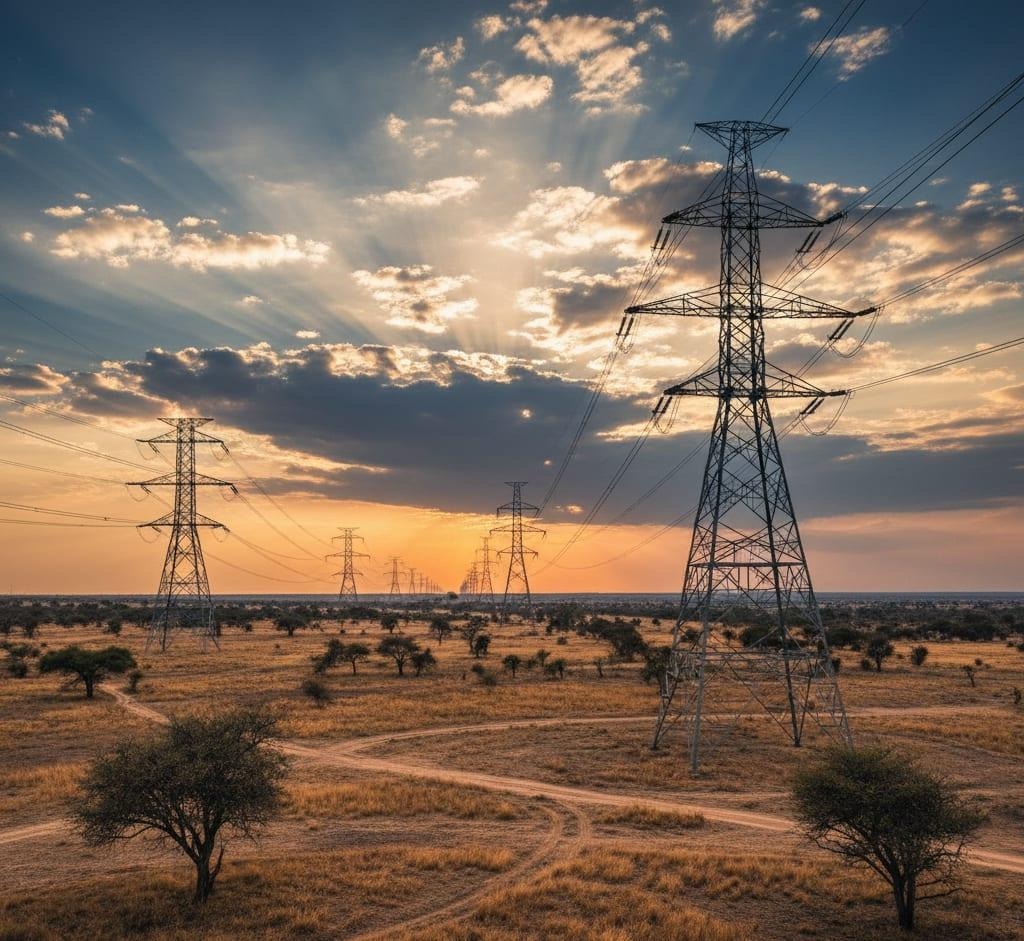
Although the continent has the potential to become one of the world’s most important energy production centers, weak funding, dilapidated infrastructure, and the absence of transmission and distribution networks still prevent electricity from reaching millions of homes, factories, schools, and hospitals.
600 million people without electricity
The International Energy Agency indicates that around 600 million people in Africa still lack electricity, which is about two out of every five people on the continent, while the expansion of electricity networks has not kept pace with the rapid population growth, leaving the continent far from achieving universal access to energy goals.
The crisis is not limited to electricity alone, as more than one billion Africans rely on traditional cooking methods such as firewood and charcoal, which causes widespread health, environmental and economic impacts, especially on women and children.
Untapped solar treasure
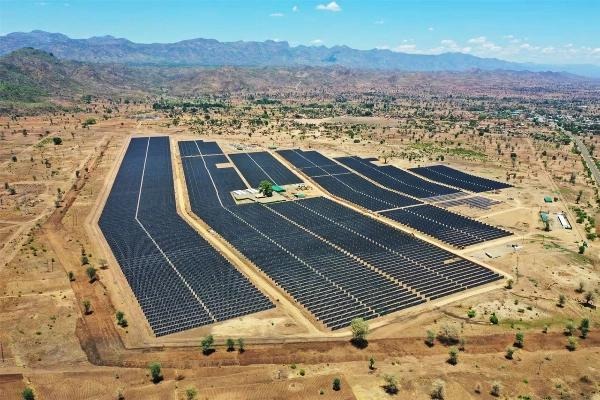
Africa possesses approximately 60% of the world’s best solar energy resources, thanks to the vastness of its desert regions and high levels of solar radiation throughout the year. However, the exploitation of this potential remains limited compared to the size of the available resources.
Energy experts believe that the problem is not a lack of resources, but rather the weak investments needed to build power plants, transmission networks, and storage systems, as well as the limited long-term financing needed to implement major projects.
Funding… the biggest obstacle
The International Energy Agency confirms that bringing electricity to all of Africa’s inhabitants requires investments of up to about $22 billion annually until 2030, in addition to about $4 billion annually to provide clean cooking services, figures that far exceed the size of current investments.
The agency also points out that the funding currently allocated to electricity projects in sub-Saharan Africa is still far below actual needs, which explains the slow progress in reducing the energy gap.
Energy-rich countries… and populations suffering from power outages
Many countries in Africa have huge reserves of oil and gas, but this has not necessarily been reflected in the level of electricity services.
Nigeria is a clear example of this paradox. It is one of the largest oil and gas producers on the continent, but for years it has suffered from a shortage of electricity due to weak power generation plants and transmission and distribution networks, in addition to management and investment challenges.
Experts believe that possessing natural resources alone is not enough, unless it is accompanied by real investment in infrastructure and electricity networks.
Solar energy is not the only solution
Many African countries are moving towards expanding solar energy, especially in rural areas far from traditional grids, through small stations and standalone systems. However, this option faces challenges related to electricity storage, equipment maintenance, and battery costs.
Therefore, energy experts emphasize that Africa’s future depends on an integrated mix that combines solar energy, hydroelectric power, natural gas, and wind, along with developing electricity networks and connecting countries to each other.
Egypt presents a different model
Egypt is one of the most prominent African experiences in the field of renewable energy, through the Benban Solar Park in Aswan Governorate, which is ranked among the largest solar energy projects in the world, with a production capacity of about 1.8 gigawatts.
The project emphasizes that success depends not only on the abundance of resources, but also on the existence of investment-friendly legislation, appropriate financing, and partnerships between the government, the private sector, and international institutions.
An initiative to bring electricity to 300 million Africans
In an effort to accelerate the end of the electricity crisis, the World Bank and the African Development Bank launched the Mission 300 initiative, which aims to provide electricity to about 300 million people in Africa by 2030, by mobilizing investments exceeding $90 billion, expanding electricity networks, and supporting renewable energy projects and decentralized systems.
The battle for development begins with electricity.
Electricity is no longer just a basic service, but has become a crucial element in economic development, as it is linked to industrial growth, improved education, the development of health services, attracting investments and creating job opportunities.
Although Africa has all the ingredients to become a global energy power, its success will remain dependent on its ability to bridge the funding gap, modernize its infrastructure, and transform its natural resources into energy that reaches every home, farm, and factory, so that it can transform from a continent rich in resources to a continent rich in energy and development.