Fuel crisis hits Africa | Mozambique the latest victim... Ethiopia and Burundi join the fray
Fuel crisis worsens in Mozambique and Ethiopia
Written by: Mohammed Omran
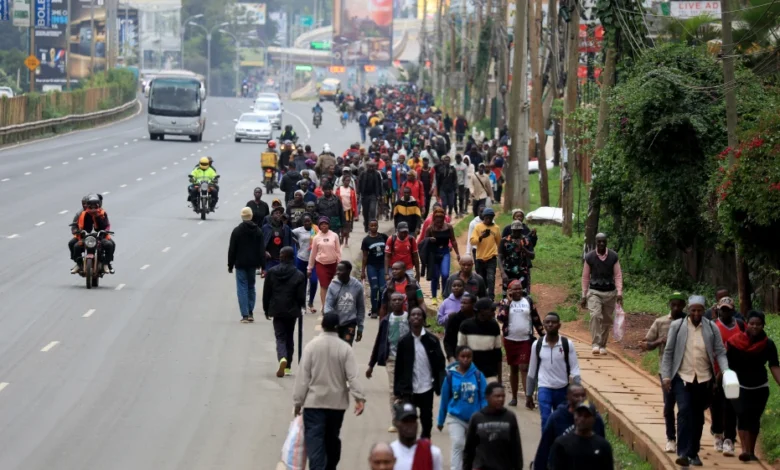
The fuel crisis is no longer just a passing shortage of supplies, but has turned into a daily scene of long queues, parked vehicles and increasing economic pressures.
Fuel crisis worsens in Mozambique, Ethiopia and Burundi
In Mozambique, Ethiopia and Burundi, the outlines of an escalating crisis are emerging that threatens transportation, supply chains and commercial activities, at a time when markets are affected by the repercussions of disruptions to global trade routes and energy supplies.
With growing fears that the crisis will last longer, attention is turning to the ability of governments to secure their fuel needs and avoid repercussions that could extend to various economic and social sectors.
Several countries have reported fuel shortages and long queues at petrol stations, due to disruptions in supply chains resulting from the ongoing conflict in the Middle East and unrest along major global highways.
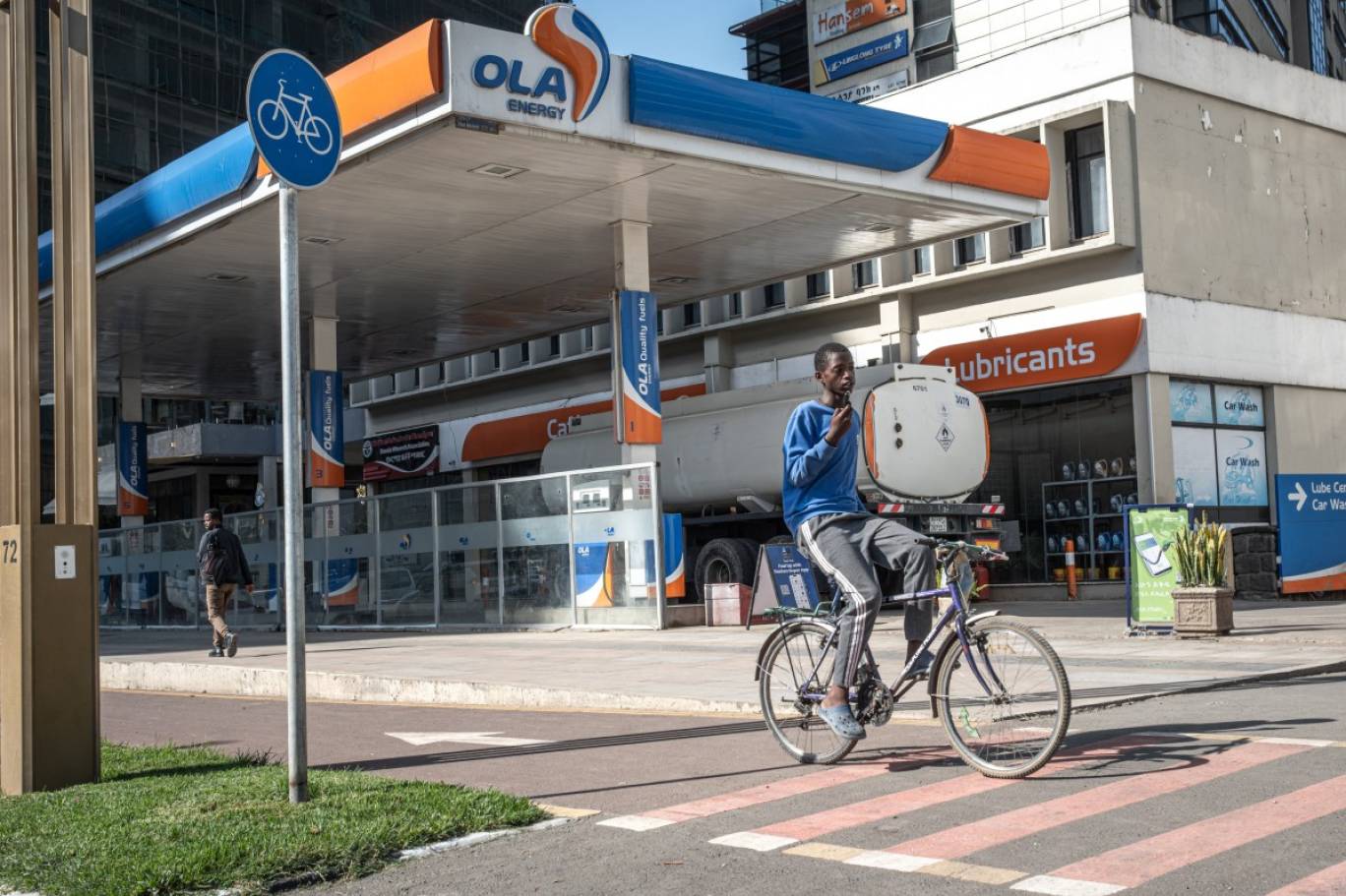
Long queues in front of stations
Mozambique is the latest country to report supply challenges, with long queues seen at petrol stations and disruptions reported in cities including Maputo.
In East Africa, the crisis has also led to higher fuel prices in Rwanda, Tanzania, Uganda and the Democratic Republic of Congo, even as Kenya retains supplies under a fuel import framework between its two governments.
Treasury Minister John Mbade warned Kenyans to prepare for a prolonged crisis, saying the war in the Middle East had forced global markets to seek alternative fuel sources.
Mbadi said the region produces a large share of the world's fuel supply and remains a major source for African markets, meaning that disruptions could spread rapidly across economies.
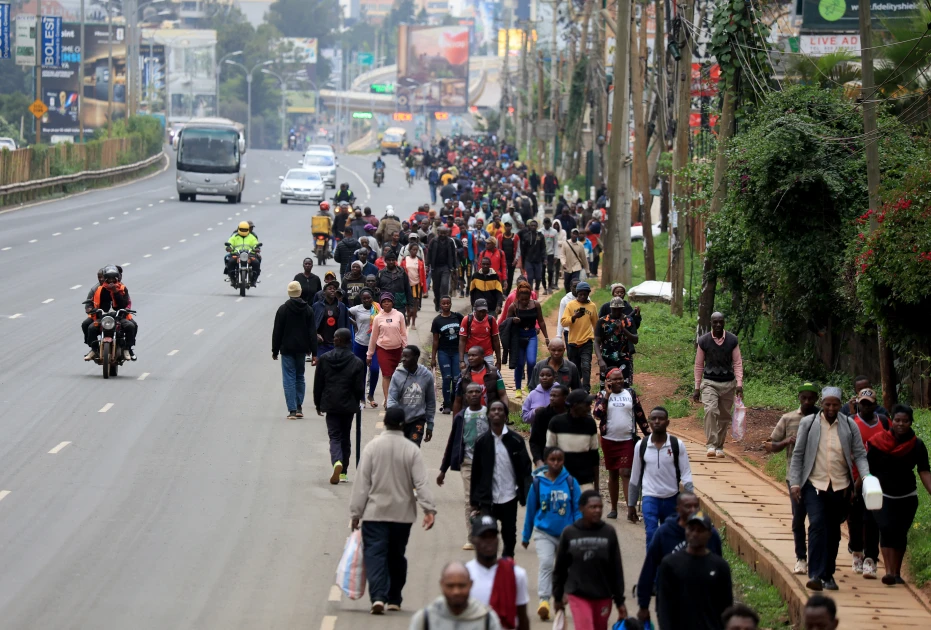
The impact was most severe in Ethiopia, where public and private transport in the capital Addis Ababa was disrupted amid a shortage that led to a decrease in the daily availability of diesel, leaving vehicles parked for long periods.
Burundi has also been hit by what officials have described as an unprecedented fuel shortage, with long queues reported at petrol stations in Bujumbura and public transport disrupted, slowing economic activity.
Additional contracts
In Kenya, the government says it has moved to secure supplies by contracting with companies including Abu Dhabi National Oil Company, Emirates National Oil Company, and Aramco to source fuel from outside disrupted supply routes and avoid fuel shortages at stations.
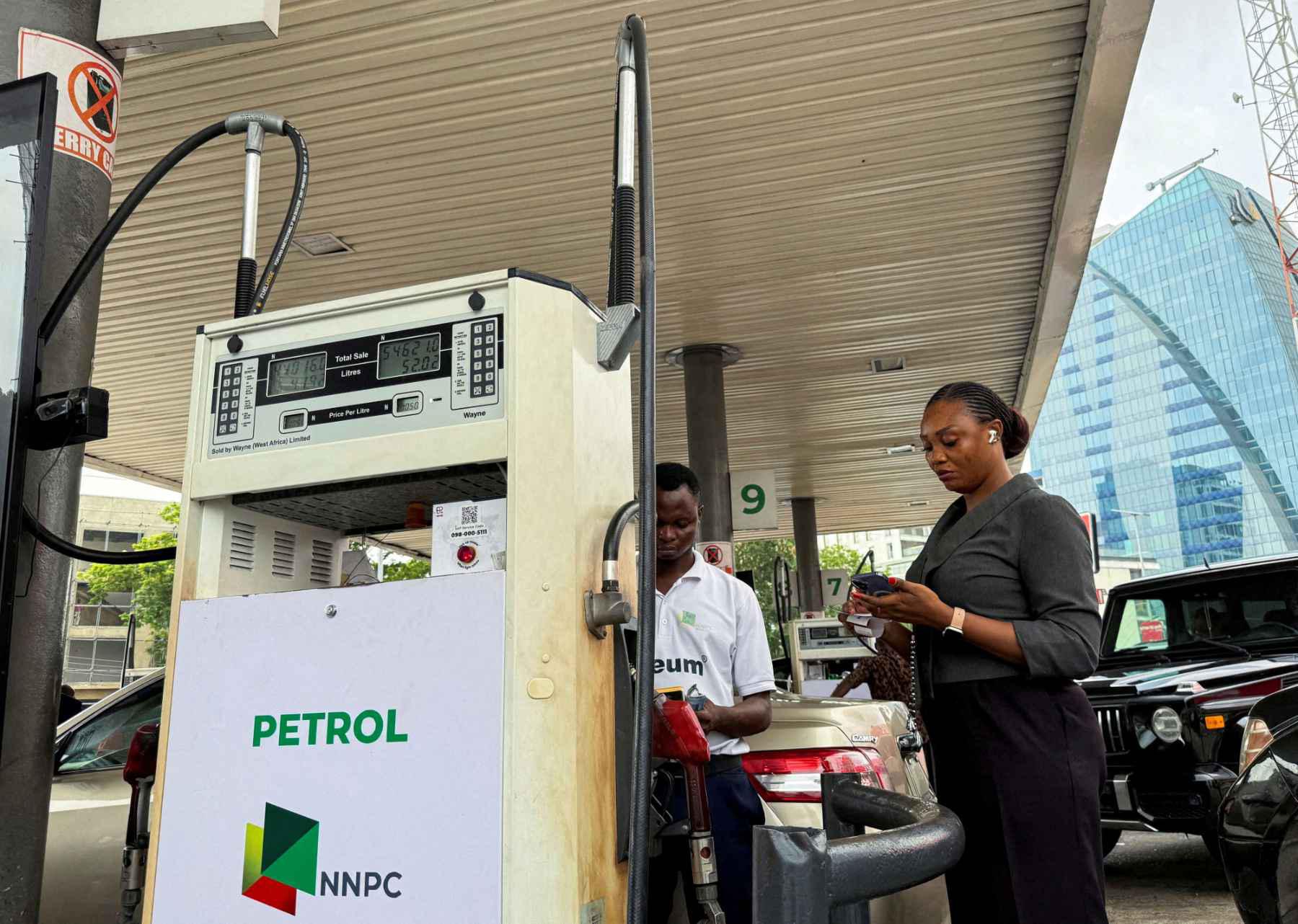
The government dismissed calls from opposition leaders to review the intergovernmental import agreement, with Mbadi warning that changing the framework could lead to fuel shortages, saying: “If we review the G-to-G agreement, we will end up with no fuel in the country.”.
More than a temporary crisis
With continued pressure on global energy markets and increasing challenges related to supply chains, the fuel crisis in Mozambique, Ethiopia, and Burundi appears to be more than just a temporary crisis. The persistent shortages, rising demand, and slowing supply flows are putting these countries to a real test of their ability to manage the repercussions of the crisis and reduce its economic and social effects.
While governments race to secure alternative fuel sources, the question remains whether the region can avoid a deeper crisis that could have repercussions on economic growth and living standards in the coming months.