Djibouti's 2026 elections: Guelleh nears a sixth term amid low voter turnout
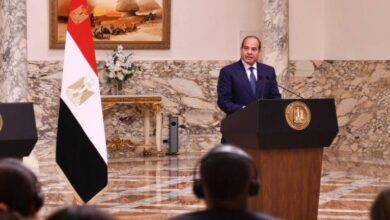
The President of Djibouti casts his vote in the elections.
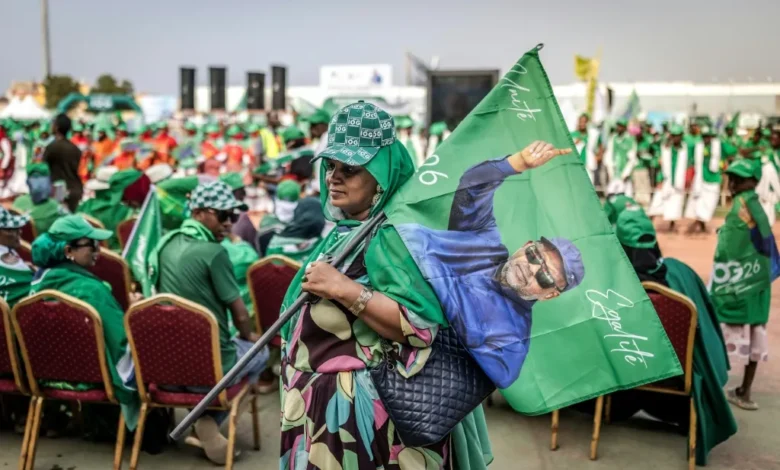
Voters in the Republic of Djibouti headed to the polls Vote Today, Friday, in a crucial presidential election, all predictions point to the victory of the current president, Ismail Omar Guelleh, aged 78, for a sixth term.
Djibouti, this small country in size but strategically huge in the Horn of Africa region, witnessed a quiet election day marked by low turnout in the capital and surrounding areas, amid an unequal competition between the veteran president and a single rival who does not enjoy widespread fame in political circles.
Limited turnout and questions about the feasibility of change
According to reports, observers and journalists noted a significant decline in voter turnout during the first hours of voting, with the percentage in some centers not exceeding 25% out of a total of 256,000 registered voters.
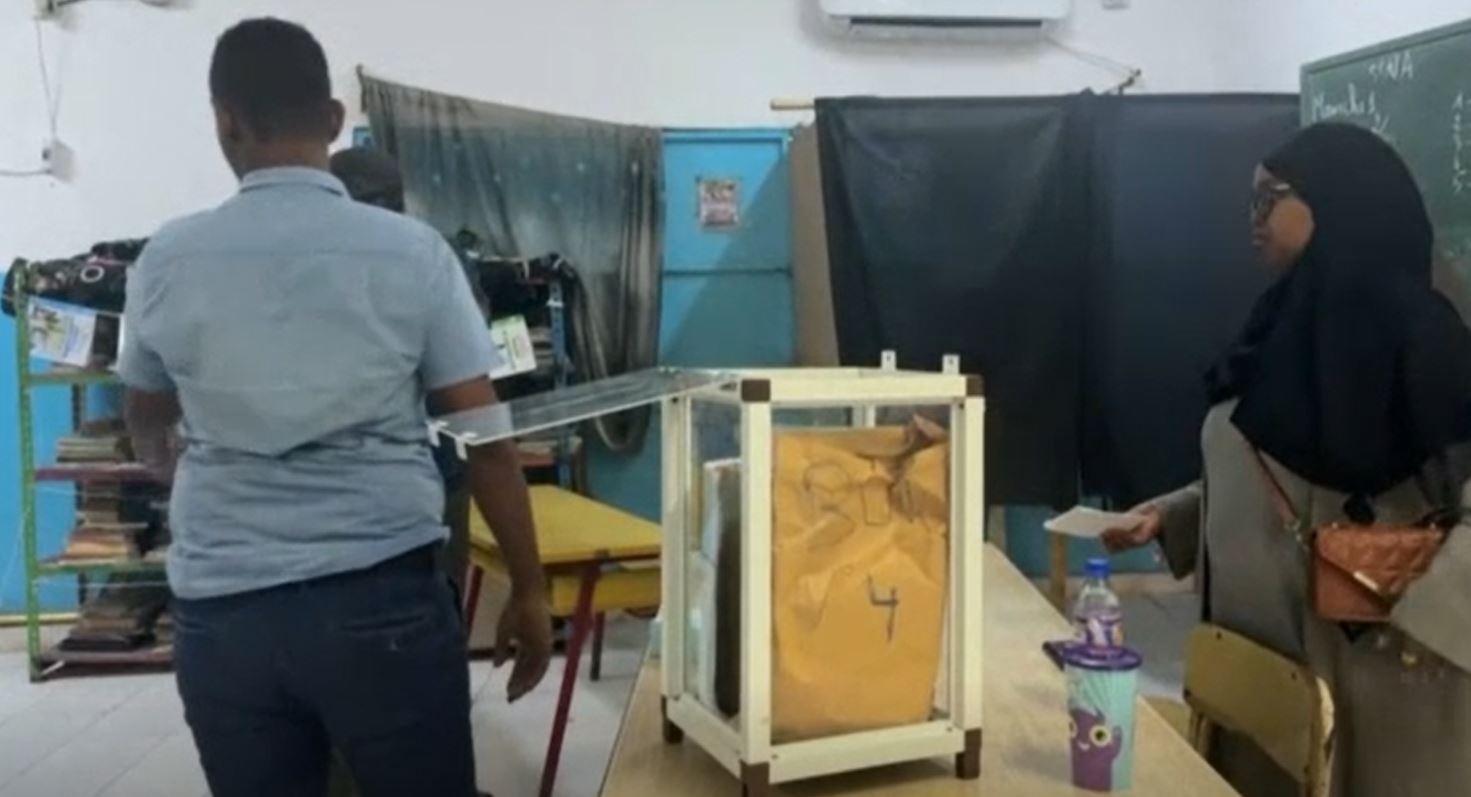
This reluctance reflects a sense of frustration among segments of the Djiboutian public. Some citizens told AFP that the outcome seemed “predetermined” given that his generation had been in power for 27 years, while others saw his continued rule as a safety valve for the country’s stability in a region rife with unrest.
His generation versus Smatar
According to reports, the presidential race is between President Guelleh, whose posters have covered the streets of the capital, and Mohamed Farah Samatar, leader of the United Democratic Centre (CDU), a party that lacks parliamentary representation.
While Gille's rallies drew thousands, Smatar struggled to garner support, appearing at small campaign events attended by only a few dozen people. This disparity led some voters to say they didn't even know who his opponent was, further bolstering Gille's chances, who won the 2021 election with a margin exceeding 971,000 votes.
Strategic location and international military bases
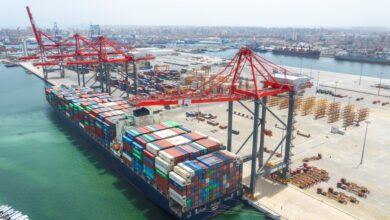
Djibouti derives its importance from its unique location on the Bab el-Mandeb Strait, the vital waterway that connects the Red Sea to the Gulf of Aden.
During his years in power, his generation succeeded in transforming the 23,000 square kilometer country into a global military hub, hosting bases for superpowers such as the United States, China, France, Japan, and Italy.
This military presence generates huge financial and political benefits for the state, and enhances its position as a major sea outlet for Ethiopia, as Djibouti relies on its ports to generate 70% of its GDP.
Unemployment and debt
Despite the boom in the ports and military bases sector, Djibouti faces structural economic crises; around 70% of young people suffer from unemployment.
The development of infrastructure has also raised concerns about the growing external debt, particularly that owed to China. Meanwhile, human rights organizations and the Djibouti Human Rights League accuse the ruling regime of suppressing the opposition and tailoring laws to its own advantage, pointing to the constitutional amendment passed last November that removed the age limit for presidential candidates, paving the way for Jalel to run again despite his advanced age.
Awaiting the results and the future of stability
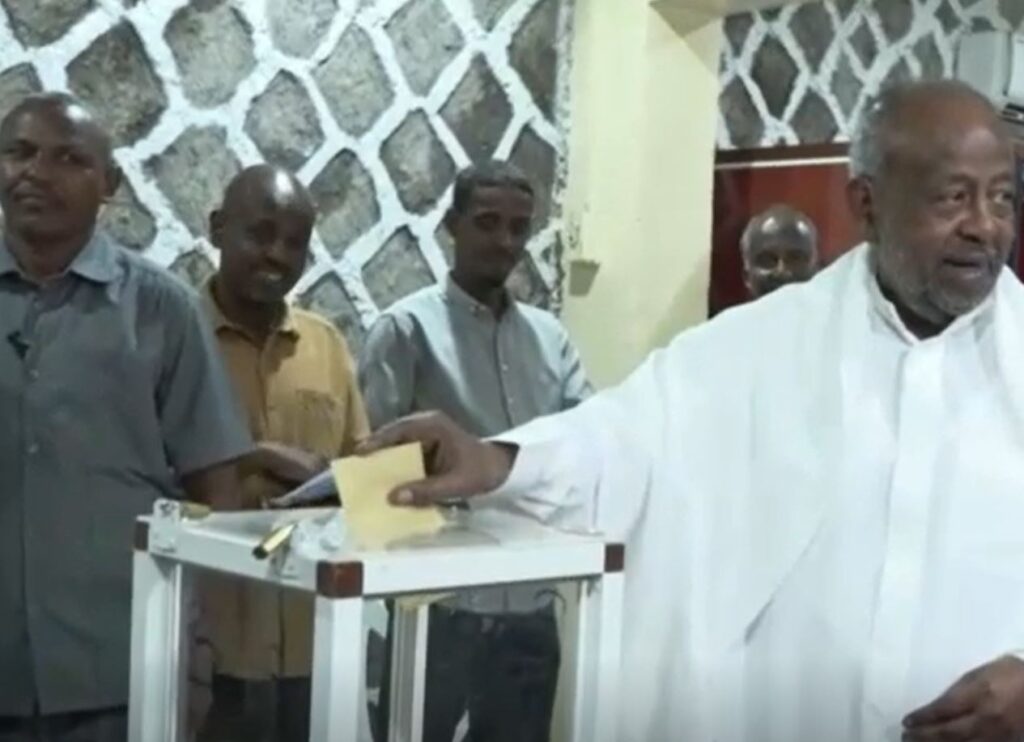
President Guelleh cast his vote amid tight security, expressing his hope for "victory," while the public awaited the official results after the polls closed. Analysts believe that the real challenge facing Guelleh in his new term lies not only in managing the balance between the major powers present on his soil, but also in addressing the widening economic gap and preparing a consensus-based successor to ensure a smooth transition of power in the future, especially given the growing questions about his health and the future of stability in one of the world's most complex regions.