Traditional mining in Sudan: A daily risk in the search for gold
Sudan's mines: A wealth threatened by chaos and deadly collapses
Written by: Badr Ahmed
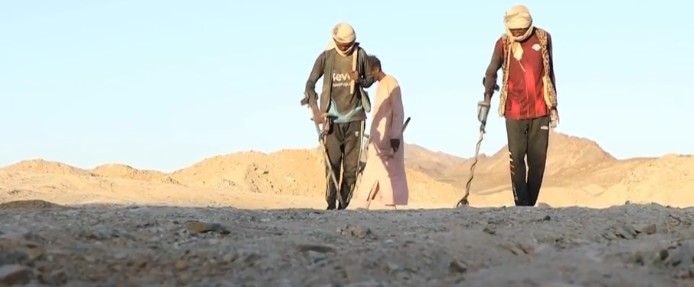
In the Dagalo Mahas region of northern Sudan, the frantic search for gold continues amidst harsh conditions lacking even the most basic safety standards, a scene that reflects the economic and social transformations imposed by the ongoing war in the country. In remote mountainous areas, hundreds of men work in small, unlicensed mines using rudimentary tools and metal detectors, hoping to find the precious metal that has become a lifeline for many Sudanese.
The gold sector has been one of Sudan's most important economic resources since South Sudan's secession in 2011, when Khartoum lost most of its oil revenues. Since then, gold has become the primary source of foreign currency, accounting for approximately 701 TP3T of national revenues in subsequent years, making mining a vital activity for the Sudanese economy.
A fortune threatened by chaos and deadly collapses
With the outbreak of war between the Sudanese army and the Rapid Support Forces, gold became a key element in financing the conflict. UN reports indicate that large quantities of gold are being smuggled out of the country outside official channels, particularly from the Darfur and Kordofan regions under the control of the warring factions. This has exacerbated the economic and humanitarian crisis that has plagued Sudan for more than three years.
According to estimates by the Armed Conflict Location & Event Data Project (ACLED), the war has killed at least 59,000 people and displaced more than 10 million Sudanese, creating the world's largest humanitarian crisis. This situation has forced thousands of families to resort to traditional mining as their sole source of income.
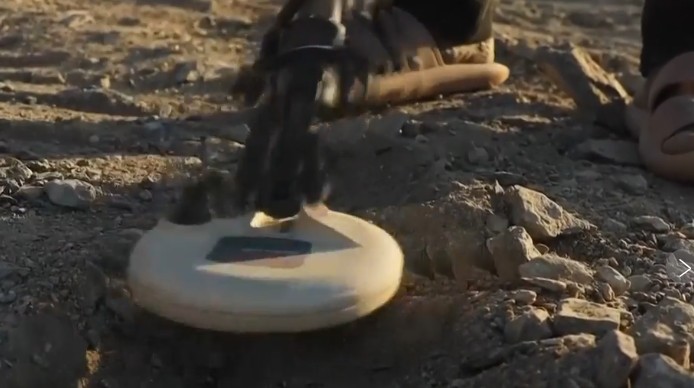
Several miners say that deteriorating living conditions and rising farming and fuel costs forced them into the sector despite its significant risks. Gold extraction is often carried out using rudimentary methods that involve crushing rocks and using toxic mercury to separate the gold, exposing workers and nearby residents to serious health and environmental hazards.
Despite Sudan producing around 70 tons of gold last year, generating revenues of nearly $1.8 billion, the majority of mining takes place outside government oversight. Mine collapses are frequent due to a lack of safety standards, with dozens of workers killed in similar incidents in recent months.
The transitional government that followed the overthrow of former President Omar al-Bashir had attempted to regulate the mining sector, but the military coup in 2021 and the outbreak of war in 2023 halted those efforts, leaving gold in Sudan caught between the hammer of war and the anvil of economic chaos.