Written by: Ayman Ragab
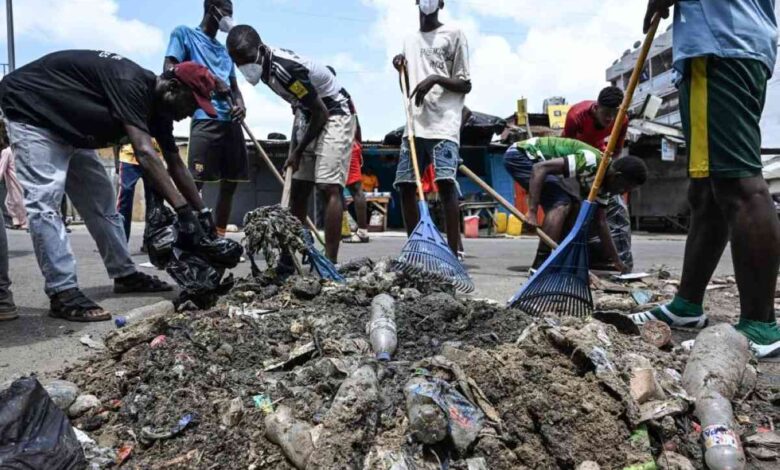
Several neighborhoods in Abidjan, the economic capital of Ivory Coast, are witnessing an increasing accumulation of waste in the streets, markets and near schools, which has sparked discontent among residents who complain about the foul odors and health risks resulting from this situation.
From Yopougon to Freddy, passing through Adjame, Cocody, Treichville and Abobo, the scenes are similar throughout the city, where Abidjan produces between 1.2 and 1.7 million tons of waste annually, according to official estimates.
1.4 million tons of waste
Modeste Guy Dogbo, advisor to the Minister of the Prefecture of the Autonomous Region of Abidjan, explained that each resident of the city produces more than 280 kilograms of household waste annually, bringing the total waste to about 1.4 million tons, distributed between 16% dry waste including plastics, paper, textiles, glass and metals, 68% organic waste, and 16% inert materials.
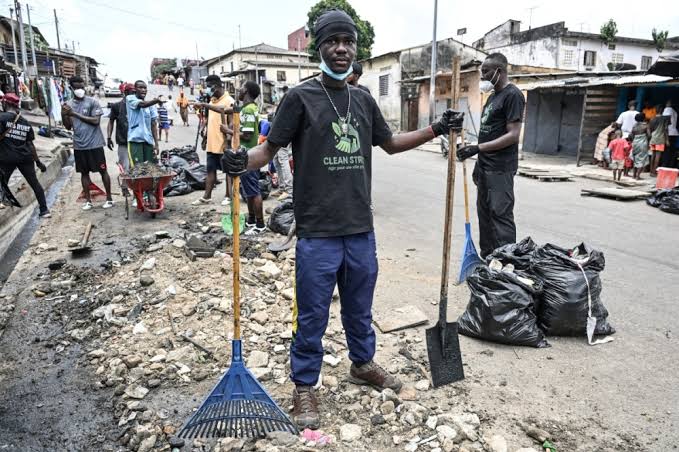
In the Freddy neighborhood, craftsman Dieudonné Aboué expressed his dissatisfaction with the situation, saying that piles of garbage have become part of the daily scene, while insects and flies are spreading around workshops and shops.
Other residents also expressed concerns about the health consequences of the accumulation of waste, especially during the rainy season.
Ozoro Veronique, a shop owner, says that the mixing of waste with stagnant water raises concerns about the spread of malaria, diarrheal diseases and other diseases associated with an unsanitary environment, noting a decline in the number of customers and her having to close her shop at times.
In the municipality of Cocody, some residents believe that Abidjan’s image as a showcase for the country is threatened by the spread of waste in a number of neighborhoods, stressing that scenes of garbage have become dominant in the city’s urban landscape.
The behavior of some citizens is the cause
Despite the criticism directed at the authorities responsible for waste collection, a number of residents acknowledge that part of the problem stems from the behavior of some citizens who throw waste in the streets and public places without adhering to hygiene rules.
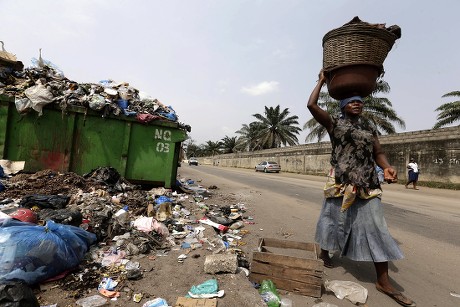
Marie-Cecile, a cleaner, emphasizes that addressing the crisis requires all parties to assume their responsibilities, noting that some residents throw bags, bottles, and food scraps randomly, which further complicates the task of collecting waste.
Residents jointly hold users, waste collection companies, and government agencies overseeing the sanitation and urban hygiene sector responsible, demanding improved coordination among the various stakeholders.
One Yopogun resident said the solution requires citizens to adopt more responsible behaviors, along with improving the efficiency of waste collection companies and strengthening government oversight of sanitation operations.
Final warning
Despite growing public anger, residents still hope for swift action to restore cleanliness to the city's streets, stressing that the issue is not only about the country's image, but also about the health of citizens and the quality of their daily lives.
In this context, the ministry in charge of sanitation and hygiene issued a final warning a few days ago to the entities working in the sector, demanding the removal of accumulated waste as quickly as possible and the restoration of cleanliness to the capital, Abidjan.