South Sudan: Grazing disputes exacerbate killings among residents
Written by: Ayman Ragab
The government of South Sudan accepted on Tuesday a call to establish designated cattle migration corridors and grant them legal protection, as part of broader efforts to reduce frequent conflicts between herders and farming communities over competition for land and water resources.
This came in a statement by the Minister of Livestock and Fisheries, Onyoti Adigo Nyikwaj, during the opening of a two-day policy dialogue in the capital, Juba, which addressed issues of pastures, grazing, and wildlife protection. He stressed that competition over grazing lands has become one of the most prominent causes of community violence, which necessitates the adoption of long-term solutions and policies.
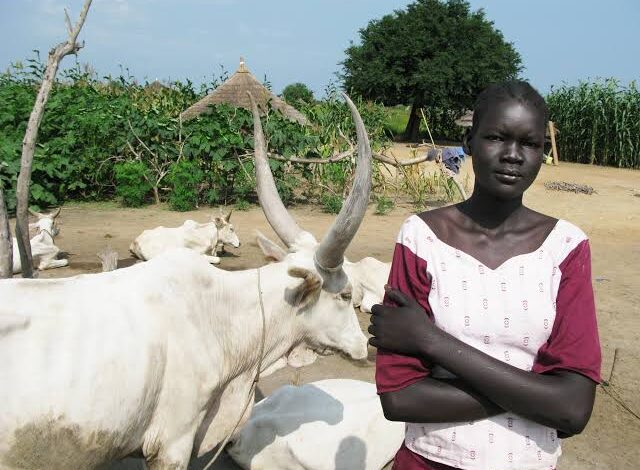
Most killings are related to livestock.
The minister explained that most of the killings among the local population in South Sudan are related to cattle, whether between the herders themselves or between them and the farmers, stressing the need to deal with this issue seriously and in a spirit of understanding to reach sustainable solutions.
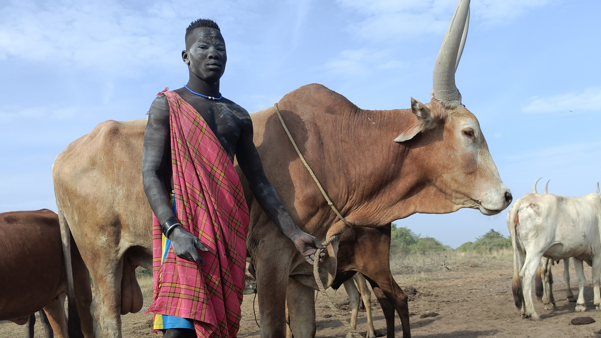
Nikwaj noted that the government intends to promote sustainable pasture management by protecting migration corridors, stressing that allocating these corridors would prevent livestock from encroaching on citizens’ agricultural lands.
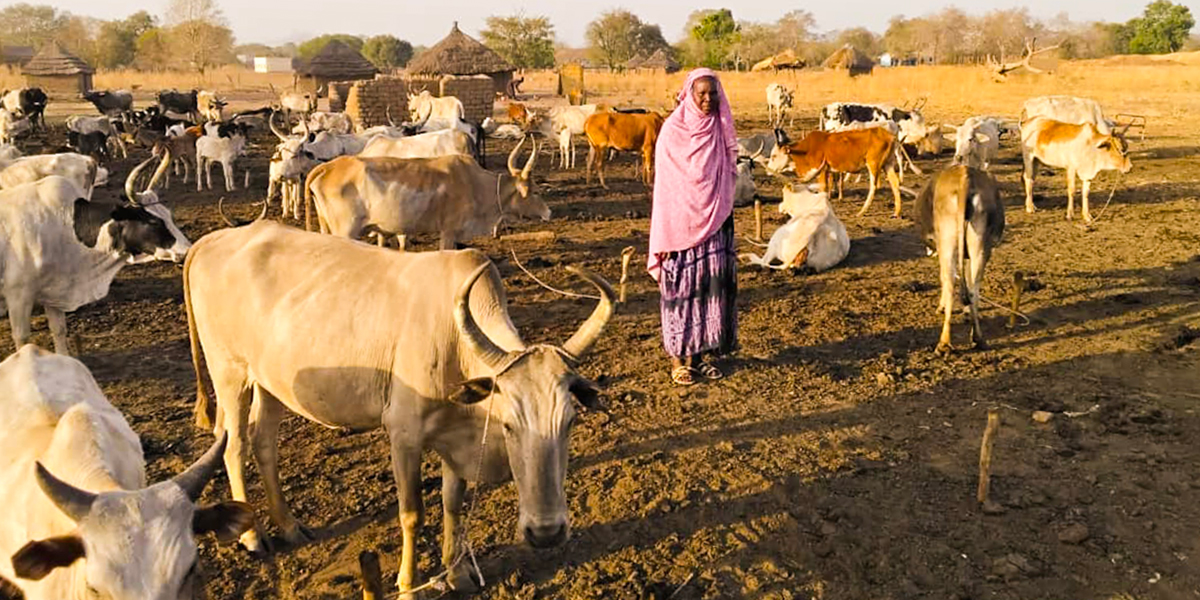
He added that the livestock sector in South Sudan includes about 12 million head of cattle, 14 million head of goats, and 13 million head of sheep, indicating that this sector has great economic potential, but it faces many challenges, including climate change, the spread of diseases, weak veterinary services, fragile market infrastructure, in addition to conflicts over resources.
The minister stressed that the government is moving towards a shift from emergency response to long-term investment in pasture reclamation, livestock production development, veterinary services development, support for peacebuilding efforts, and market improvement, noting that humanitarian interventions alone will not be sufficient to address these challenges.
Strengthening cooperation to prevent conflicts
For his part, the Minister of Land, Housing and Urban Development, Michael Changjiek, called on herders, farmers and state institutions to strengthen cooperation to prevent conflicts related to natural resources, stressing the importance of coexistence and communication between the various parties to avoid renewed disputes over land, water and pastures.
Changik also called on the government and development partners to implement the recommendations that emerged from the dialogue, considering that the forum’s results will contribute to developing current policies and promoting social peace.
In the same context, the head of the South Sudan Land Commission, Robert Lado, stressed the need to treat livestock and wildlife as two strategic economic pillars, warning of future dependence on oil as it nears depletion.
Lado explained that the country has large numbers of cattle, but the volume of its exports is still very limited, calling for this wealth to be better invested to support the national economy.
The importance of sustainable rangeland management
For his part, Victor Vssama, the civil affairs officer at the United Nations Mission in South Sudan, stressed that sustainable rangeland management is a key element in reducing conflicts, protecting biodiversity, and enhancing resilience to the effects of climate change.
He noted that rangelands are facing increasing pressure as a result of climate change, conflict over resources, changing land uses, and the decline of traditional systems, which threatens livelihoods and wildlife.
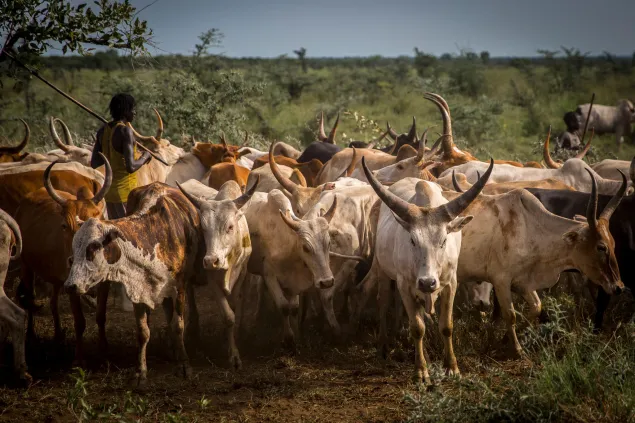
Fessama called on the government to adopt policies that guarantee legal protection for grazing routes and migration corridors, while promoting recognition of the role of herders in preserving natural resources, stressing the need to change the traditional view of grazing as a resilient, climate-friendly, and low-carbon activity.
It is worth mentioning that the dialogue, which lasted for two days, was organized by the Ministry of Livestock and Fisheries in cooperation with the Food and Agriculture Organization of the United Nations (FAO), along with a number of government agencies and development partners, with the participation of policymakers, sponsors, researchers, and representatives of civil society and the private sector.