Partnership until 2028: What does the extension of military cooperation between Russia and SADC mean?
The relationship moves from the stage of general understandings to practical implementation.
Written by Omnia Hassan
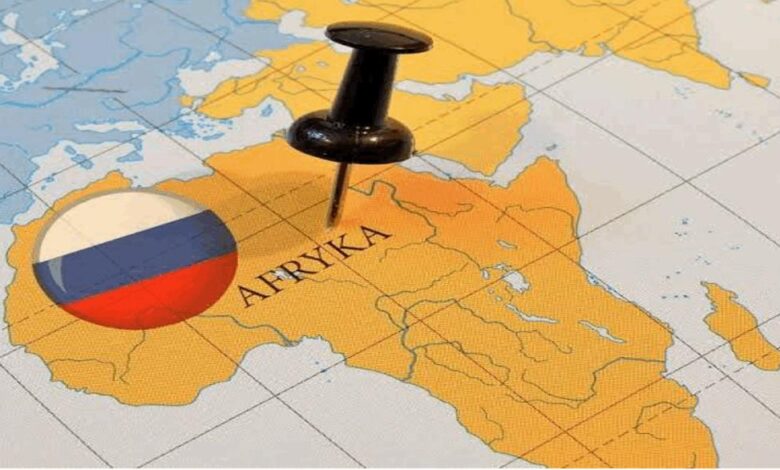
Russia has extended its military and technical cooperation framework with the Southern African Development Community (SADC) until 2028, in a move reflecting a shift Relations From the stage of general understandings to organized practical implementation.
Activating previous commitments
partnership Launched in 2018, it is now entering a more focused phase on activating previous commitments and building clear operational pathways for cooperation.
From memoranda of understanding to action plans
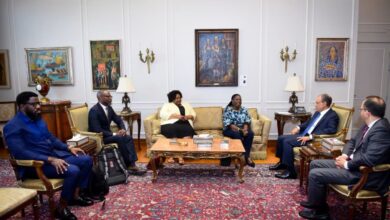
The extension is based on two agreements signed in 2018: a memorandum of principles on relations and cooperation, and a memorandum of military and technical cooperation. During an official meeting in Gaborone, a Russian delegation presented a detailed action plan aimed at guiding cooperation in the areas of defense capacity building, logistical support, and technical assistance to regional security structures. This shift reflects the desire of both parties to move from theoretical frameworks to measurable results.
Support for rapid intervention force and logistical infrastructure
The regional bloc expressed interest in expanding areas of cooperation to include medical support for its rapid intervention force, as well as strengthening logistical infrastructure, particularly the regional logistics warehouse.
These priorities reflect a shared understanding that the effectiveness of regional security is linked not only to armament, but also to medical preparedness and supply chains.
A geographically diverse bloc of strategic importance
SADC comprises 16 countries from southern and central Africa and parts of the Indian Ocean, giving it a unique geographical and strategic weight.
This diversity makes any security and technical cooperation with it have a cross-border impact, and enhances the ability of its institutions to coordinate in the face of common challenges.
Double extension until 2028
The military and technical cooperation agreement was extended until July 2028 by a decision of the bloc’s ministerial committee, and the broader cooperation memorandum was extended until October of the same year. The message here is clear: continuity first, and building on what has been achieved rather than formulating new frameworks.
Invitation to the Russia-Africa Summit 2026
The Russian ambassador conveyed an invitation from Vladimir Putin to the bloc’s leadership to attend the Russia-Africa Summit 2026, indicating that Moscow views this partnership as part of a broader presence on the continent.
In conclusion, the extension does not add new agreements as much as it accelerates the implementation of what has already been agreed upon, putting Russian cooperation with SADC on a clearer practical path until 2028.