
The President of Congo praises his country's national team despite their elimination from the 2026 World Cup.
Congo lost to England 2-1
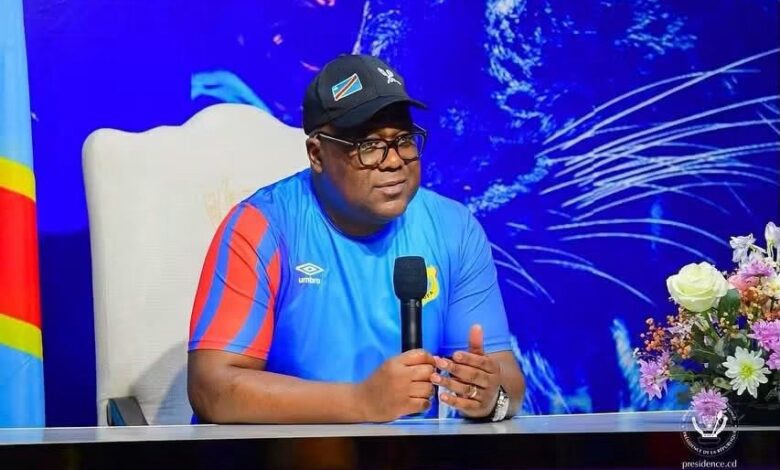
The President of the Democratic Republic of Congo, Felix-Antoine Tshisekedi Tshilombo, expressed his sincere congratulations to the “Leopards” football team, despite the end of their journey in the twenty-third edition of the 2026 World Cup, following their loss with a score of (2-1) against the England team in the match that was held in the American city of Atlanta.
Discipline, courage, and intelligence
The head of state praised the performance of the Congolese national team players, stressing that they showed “discipline, courage and intelligence,” and played with a fighting spirit that kept the hearts of the people of the Democratic Republic of Congo beating with pride, which is what he had called for in his speech on the occasion of the celebration of the sixty-sixth anniversary of the country’s independence.
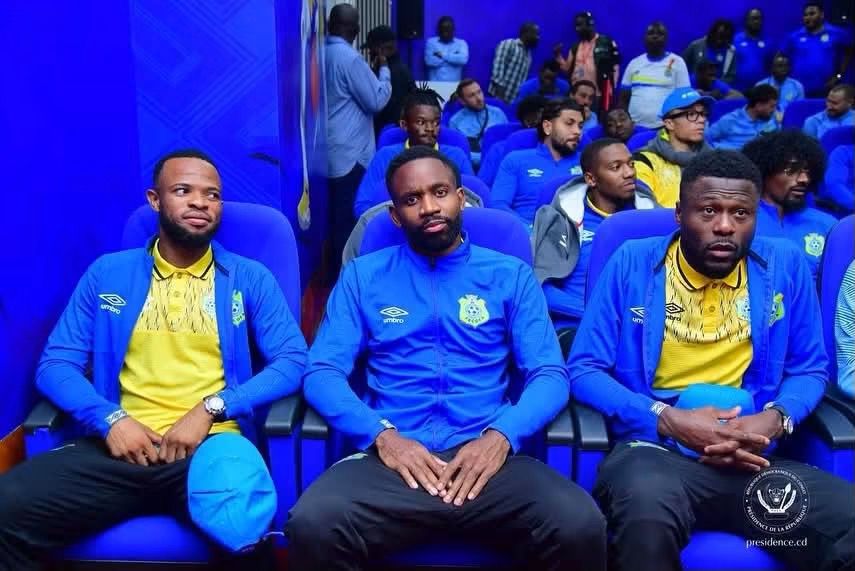
Tshisekedi called on the Congolese people at home and abroad to take pride in their national team, stressing that the “Leopards” had succeeded in raising the name of the Democratic Republic of Congo high, and had undoubtedly written one of the most beautiful pages in the country’s sporting history.
Congo's loss to England
The Democratic Republic of Congo lost 2-1 to England in their Round of 32 match at the World Cup hosted by the United States, Mexico and Canada, thus exiting the tournament after a strong performance that propelled them to the next round.
 Arabic
  English
  French