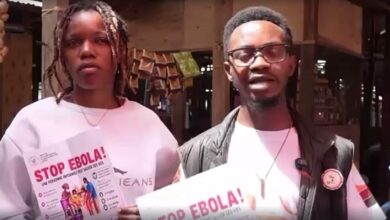
“Ebola: A mysterious virus sweeps across Africa, and the World Health Organization sounds the alarm.
State of emergency declared in Congo and Uganda
Written by Basel Abdel Ghani
Over the past few days, many reports have circulated about the spread of the virus “Ebola”"In a number of African countries such as Congo and Uganda, therefore it was announced Global Health Organization A state of emergency has been declared amid fears of a lack of effective vaccines for this virus.
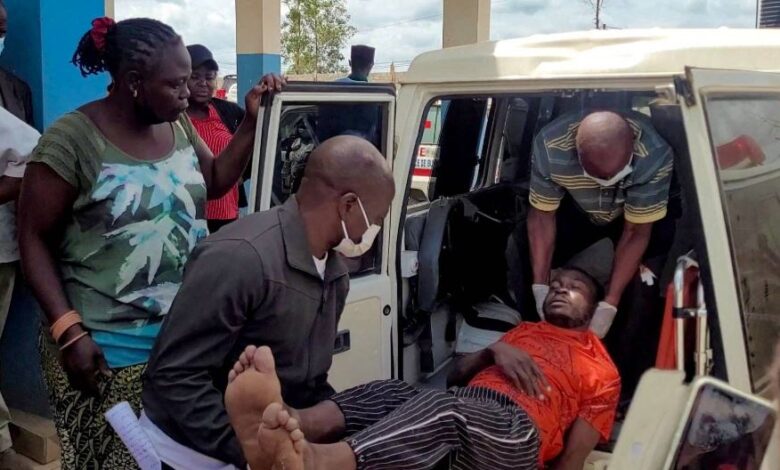
The World Health Organization announced that more than 80 people have died in the Democratic Republic of Congo, while authorities warned that there is no vaccine for this strain.
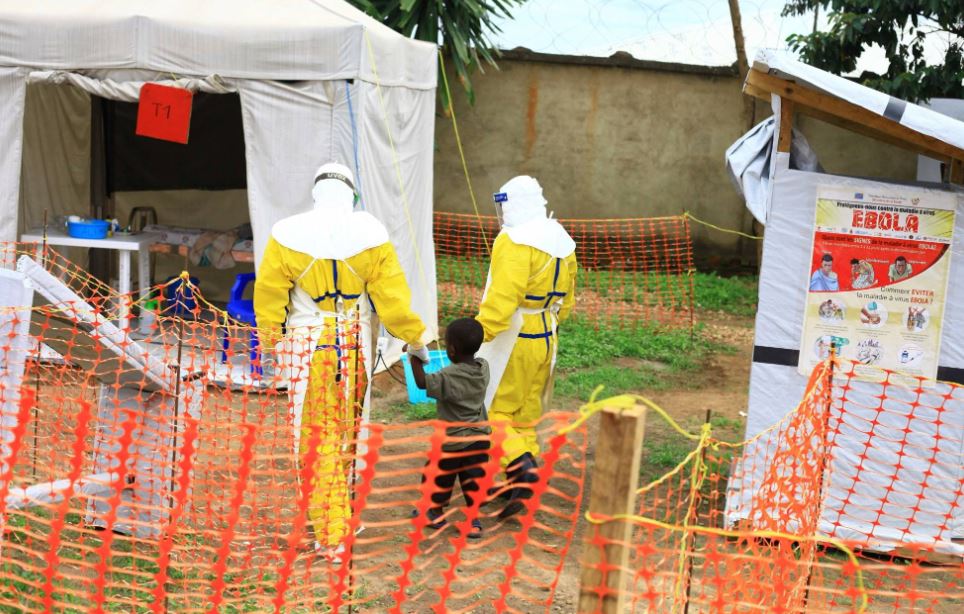
The Africa Centres for Disease Control and Prevention (Africa CDC) has revealed new details about Ebola, confirming that the outbreak strain, known as Bundibugyo, has killed 88 people, in addition to 336 people suspected of being infected.
Professor Jean-Jacques Muyembe, director of the Congolese National Institute of Biomedical Research, told the agency that “laboratory tests confirmed an infection in Goma, belonging to the wife of a man who died of Ebola in Bunia, who had traveled to Goma after his death, and she was already infected.”.
The Director-General of the World Health Organization, Tedros Adhanom Ghebreyesus, expressed his deep concern about the rising number of reported cases.
He wrote in a post on X: «I consider the epidemic to constitute a public health emergency of international concern,» adding that it «does not yet meet the criteria for declaring an epidemic emergency» according to the applicable health regulations.
The World Health Organization also declared the «second-highest alert level» under the International Health Regulations, warning that the actual number of cases and the extent of their spread remain unclear, without reaching the level of declaring a pandemic emergency, which is the highest alert level declared in 2024.
For his part, the Minister of Health in the Democratic Republic of Congo, Samuel Roger Kamba, explained that “there is no vaccine or specific treatment for the Bundibugyo strain,” adding that “the mortality rate from this strain of the virus is very high, and may reach 50 percent.”.
Information about the Ebola virus
A severe viral disease that affects humans and is often fatal; the mortality rate caused by an epidemic of this disease can reach 90%.
The Ebola hemorrhagic fever epidemic is mainly spread in remote villages in Central and West Africa near tropical rainforests. Fruit bats are considered the natural host of the Ebola virus, which they then transmit to other animals and humans.
Disease transmission
Ebola is transmitted to humans through contact with the blood, secretions, organs, or other body fluids of infected animals. Ebola fever then spreads from person to person through contact with the blood, secretions, organs, or other body fluids of an infected individual.
Burial ceremonies involving contact with the deceased's body can also play a role in the transmission of Ebola virus infection, and it can be transmitted by infected semen for up to seven weeks after clinical recovery.
Disease incubation period
The incubation period of the disease, which extends from the moment of infection to the beginning of the appearance of symptoms, ranges between two days and 21 days.
Symptoms of the disease
- sudden fever
- extreme weakness
- Muscle pain
- headache
- sore throat
- Vomiting
- diarrhea
- Skin rash
- Kidney and liver dysfunction
- In some cases, the injury involves both internal and external bleeding.
- A decrease in the number of white blood cells and platelets
- Elevated liver enzyme levels