Amid Ebola fears, the US ambassador visits an infectious disease unit in South Sudan.
Ahmed Salem
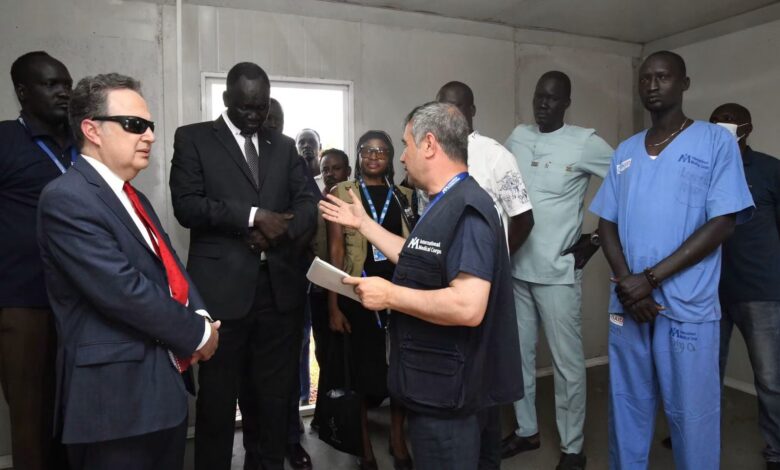
The United States Ambassador to South Sudan, Michael J. Adler, accompanied by representatives of the Government of South Sudan and the United Nations Development Programme (UNDP), visited the Infectious Diseases Unit to assess the level of preparedness and readiness to deal with any potential cases of the Ebola virus.
The visit came amid an Ebola outbreak in the region, where the delegation reviewed the readiness of the main isolation facility and identified needs and gaps that require support to enhance health emergency response capabilities.
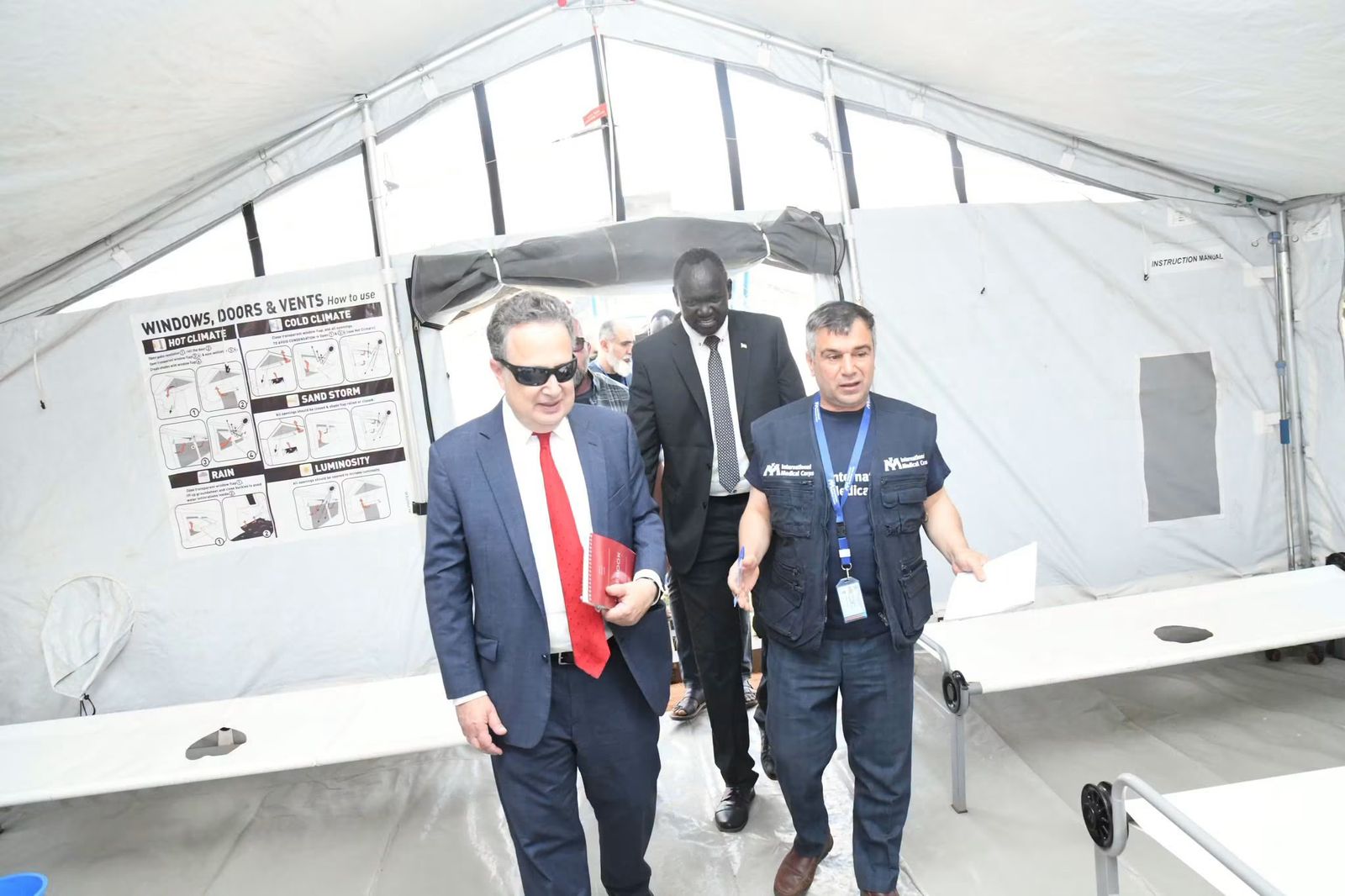
During the visit, Ambassador Adler affirmed the United States’ commitment to supporting South Sudan’s efforts in responding to epidemics and strengthening health security, stressing the importance of cooperation between international partners and the government to address health threats.
The Government of South Sudan, in cooperation with its partners, seeks to strengthen the national health system and raise the level of preparedness and response to epidemics, in order to ensure the protection of citizens and reduce the risks of the spread of infectious diseases.
The International Organization for Migration launches a plan to combat Ebola.
In a related context, the International Organization for Migration announced the launch of an urgent six-month regional plan to respond to the Ebola virus, with targeted funding of US$55.8 million, with the aim of strengthening health and logistical coordination between 11 countries in different parts of Africa, amid fears of the virus spreading further.
Urgent response to contain the Ebola threat
The new plan comes as part of rapid international efforts to contain any potential outbreak of the Ebola virus. The organization explained that the current priority is to support early response capabilities and strengthen epidemiological surveillance systems, especially in border areas that are experiencing active movement that may contribute to accelerating the transmission of the infection.
The organization confirmed that the required funding, amounting to $55.8 million, will be directed towards supporting field interventions, providing medical equipment, and improving the capabilities of rapid response teams in the most vulnerable countries.
Strengthening coordination between 11 African countries
The plan focuses on strengthening regional cooperation among 11 countries with the aim of unifying health efforts and exchanging epidemiological data in real time, allowing for the monitoring and rapid and effective handling of any suspected cases.
It also includes establishing joint coordination mechanisms between the health ministries of the countries concerned, in addition to developing regional operations rooms to exchange information related to the spread of the disease, which is a pivotal step in reducing gaps between different health systems.
The response is not limited to the medical aspect only, but extends to include supporting health infrastructure in vulnerable areas, and providing awareness campaigns targeting local communities about ways to prevent Ebola and ways to reduce its spread.
The plan also seeks to enhance citizens' confidence in health systems and reduce rumors and fears that may hinder early detection or reporting of suspected cases.