Nigeria is disrupting the cocoa market... Why did it ban raw material exports?
Creating job opportunities and increasing foreign exchange revenues
Written by Amna Hassan
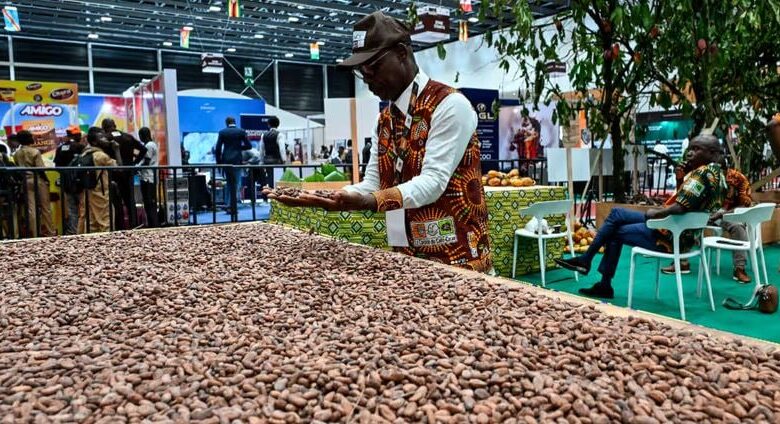
In a move that could redraw the map of the global cocoa trade, Nigeria, the world's fourth-largest cocoa producer, announced AfricaThe ban on exporting raw cocoa beans is part of a strategy aimed at localizing manufacturing industries and maximizing the added value of the agricultural sector, instead of simply exporting raw materials.
Economic shift towards local manufacturing
The Nigerian government seeks to end the raw crop export model, which has deprived the country for decades of fully benefiting from its agricultural wealth, and to focus on manufacturing cocoa locally to produce butter, cocoa powder and chocolate, thereby creating jobs and increasing foreign exchange earnings.
Nigeria is one of the world’s leading cocoa producers, with more than 300,000 farmers dependent on its cultivation, and its farms extending over an area of more than 1.4 million hectares.
Investments to support industry
To implement this policy, the government is working to expand the production capacity of milling plants by establishing a new plant in Sagamo City with a capacity of 70,000 tons per year, raising the national capacity to more than 120,000 tons.
The Industrial Bank of Nigeria also continues to finance the cocoa value chain, having injected more than 164 billion naira into agro-industrial projects, in addition to securing a 60 million euro credit facility from the European Investment Bank.
Nigerian President Bola Tinubu affirmed that his country will no longer export raw cocoa beans while importing finished products, stressing that local manufacturing has become an economic priority to strengthen national brands and increase revenues.
Direct impact on Western markets
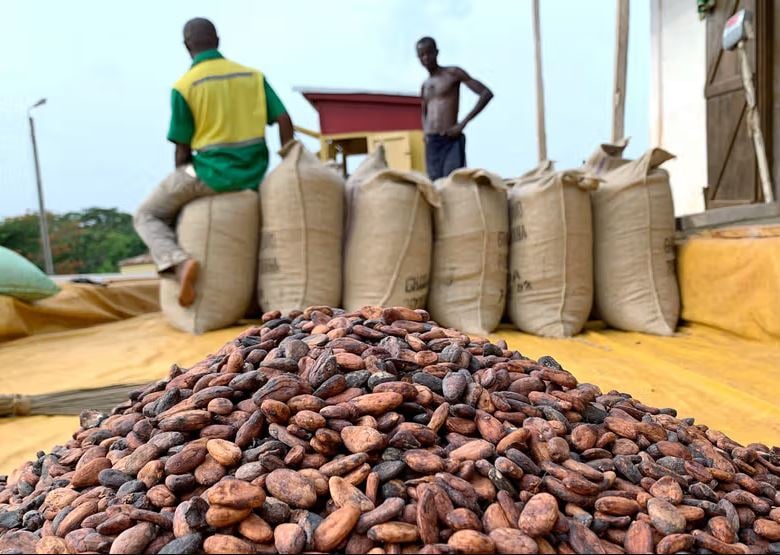
The decision is expected to pose challenges to European markets, particularly Germany, the Netherlands and Belgium, which have for years relied on importing raw cocoa beans from Nigeria to feed their chocolate and confectionery industries.
With the ban taking effect, international buyers will be required to adapt to importing processed cocoa products instead of raw beans, which could change the nature of global supply chains.
African alliance to enhance influence
The decision coincides with regional moves to unify the positions of major cocoa producers in West Africa, as Nigeria, Ivory Coast, Ghana and Cameroon have formed an alliance aimed at coordinating cocoa pricing policies and encouraging local manufacturing.
These countries control about two-thirds of the world’s cocoa production, and through joint cooperation they seek to strengthen their negotiating power and enable African farmers and producers to obtain a larger share of the economic value of the global chocolate market, after many years of industrialized countries dominating most of the sector’s profits.