Kenya adopts a youth empowerment strategy through sports to contribute to the country's progress.
Ahmed Salem
Kenya’s investments in sports, the creative and digital economy, overseas employment, business support, affordable housing, and infrastructure development are contributing to the creation of millions of jobs and other opportunities for young people.
In the sports sector alone, the relevant authorities have worked to establish and upgrade 34 stadiums across the country to support talent development and expand opportunities for young people.
These investments have already begun to bear fruit, as Kenya’s sports sector continues to achieve victories on the global stage.
The Junior Harambee Starlets also made history by qualifying for the Women’s Under-17 World Cup.
Strategy to support the sports sector in Kenya
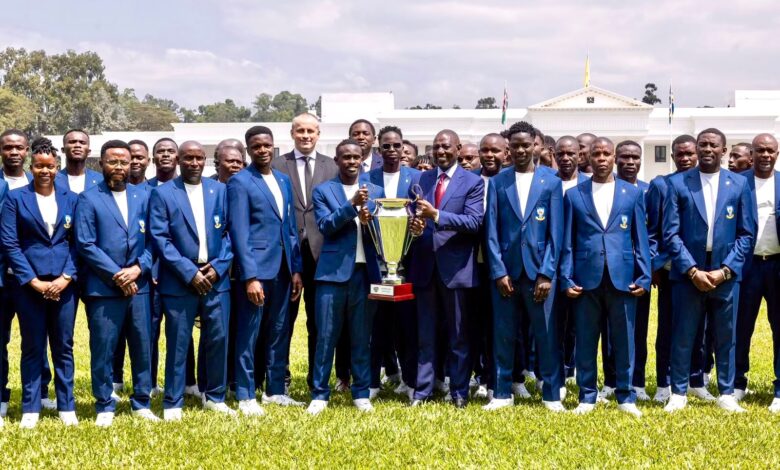
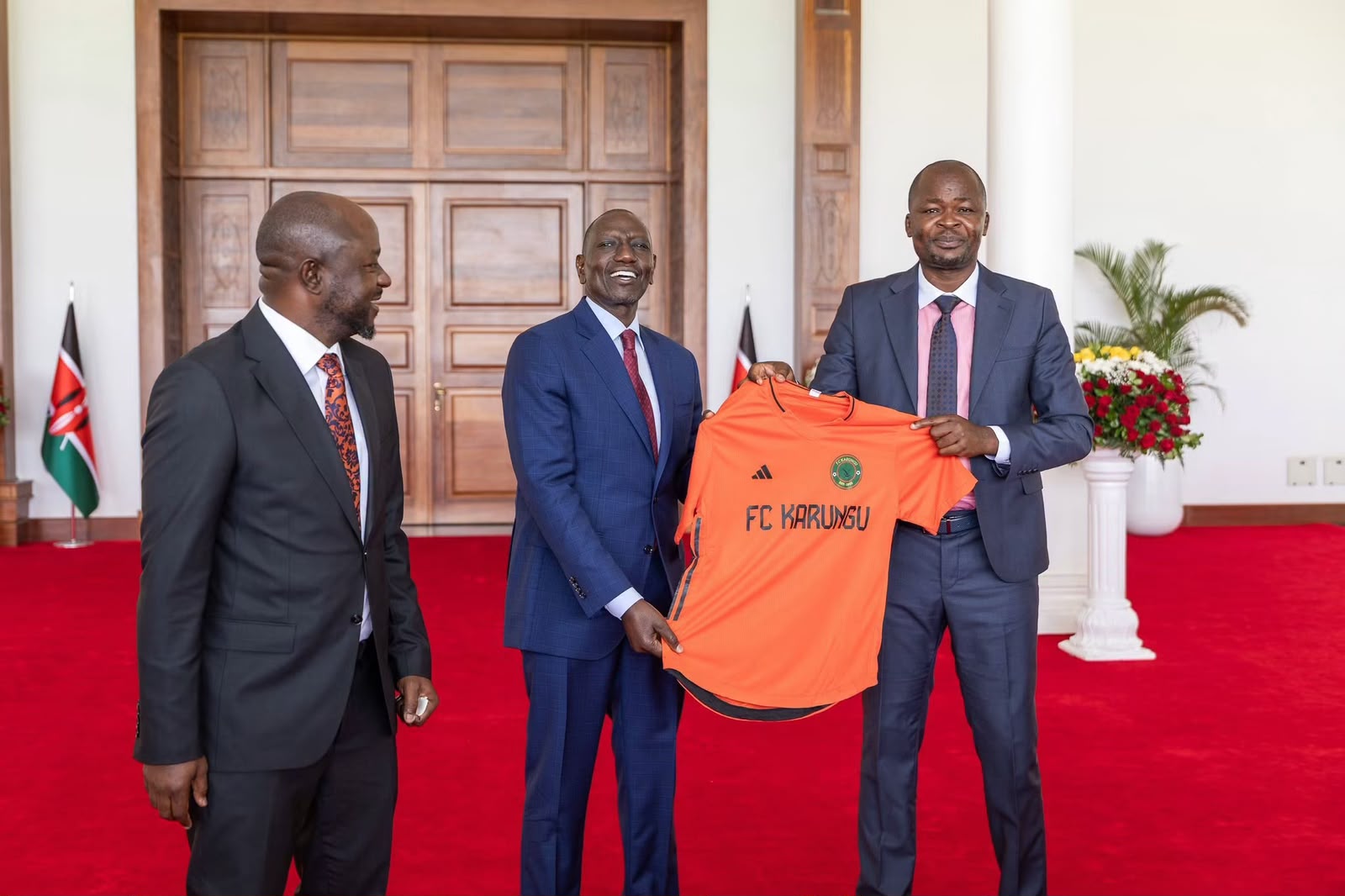
Kenyan officials welcomed Migori Youth FC – the National Premier League champions for the 2025/2026 season – to the Presidential Palace in Nairobi, and handed them a bus to facilitate the team’s travel to play league matches across the country.
In Megori County, authorities are working to establish a modern stadium to provide high-quality facilities for the team and the local community as a whole, contributing to the nurturing and development of local talent.
Kenya is training doctors to help Congo contain Ebola.
The Ebola training center, established by Doctors Without Borders in Kenya, represents an opportunity for health workers to prepare for one of the most complex emergencies they are likely to ever face.
The outbreak in the Democratic Republic of Congo is the fastest growing ever, according to African health officials, and has killed at least 600 people since it was declared in mid-May.
This is happening in an area plagued by extreme poverty and multiple armed groups, while misinformation about the disease has led some locals to avoid treatment, ignore preventive measures, and even attack health workers.
Health workers make up 112 of the 1,759 confirmed cases in the Democratic Republic of Congo, and 35 of them have died.
To help prepare for this extremely challenging environment, the international charity Doctors Without Borders (known by the French acronym MSF) has established a training center on the outskirts of Nairobi.
Supporting the Democratic Republic of Congo in containing Ebola
The simulation center, equipped with beds, a simulation laboratory and protective equipment, prepares doctors, nurses and clinicians to work in the Democratic Republic of Congo, or from regional countries at risk of disease spread.
“Often, the trainee comes from a hospital and a university, has the knowledge and thinks he can handle it,” said one of the trainees, Cisse Baba Ndiaga, 43, a community health worker with Doctors Without Borders from Senegal, who will soon be deployed to the Democratic Republic of Congo.
He said: “But once you put on personal protective equipment, it’s different.”.
community participation
Trainees learn how to deal with a community that is often fearful of the sudden entry of health workers wearing full protective gear, as well as how to conduct safe funerals and prevent the stigmatization of those who have recovered.
“We need to pay more attention to the acceptance of these centers in local communities – it is very strange for the community to see people dressed like us,” said Diana Corbin, 37, a doctor working with Doctors Without Borders in the Central African Republic.
She added: “It is essential to be able to engage and understand local communities. But also to make sure that we empathize with them and that we… make time to educate them.”.