Written by: Ayman Ragab
Since the Ballon d'Or was launched in 1956, the list of winners has shown a clear dominance of a number of major footballing nations, most notably Argentina, France, Germany, the Netherlands, Portugal, Brazil, England, and Spain, in addition to the former Soviet Union.
In cases where players from these countries did not win, the award mostly went to prominent stars from other European countries such as Bulgaria, Croatia, Czechoslovakia, the Czech Republic, Denmark, Hungary, Northern Ireland, Scotland and Ukraine, reflecting the predominantly European character of the award's history.
The only African Ballon d'Or winner
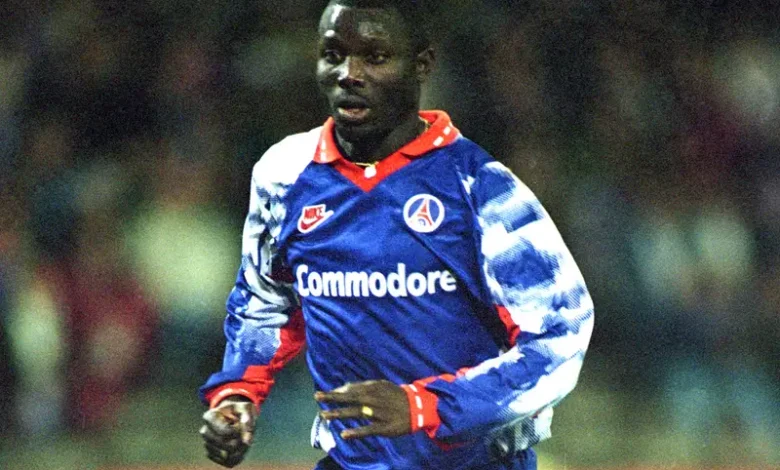
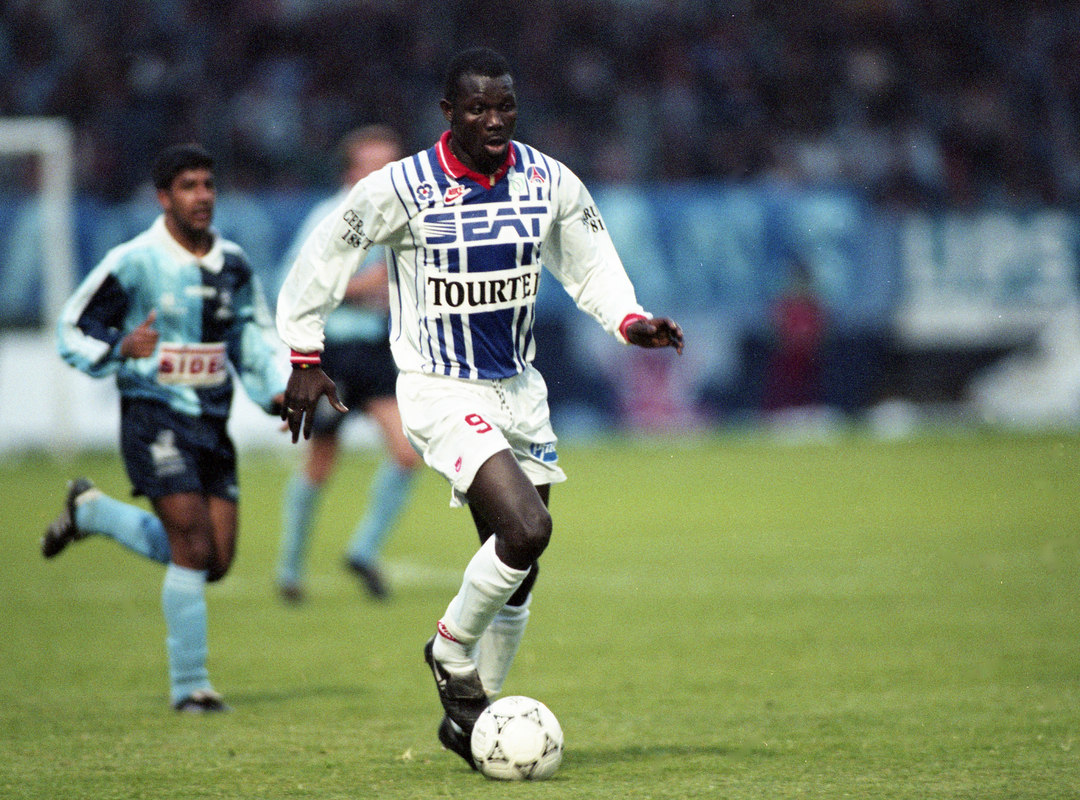
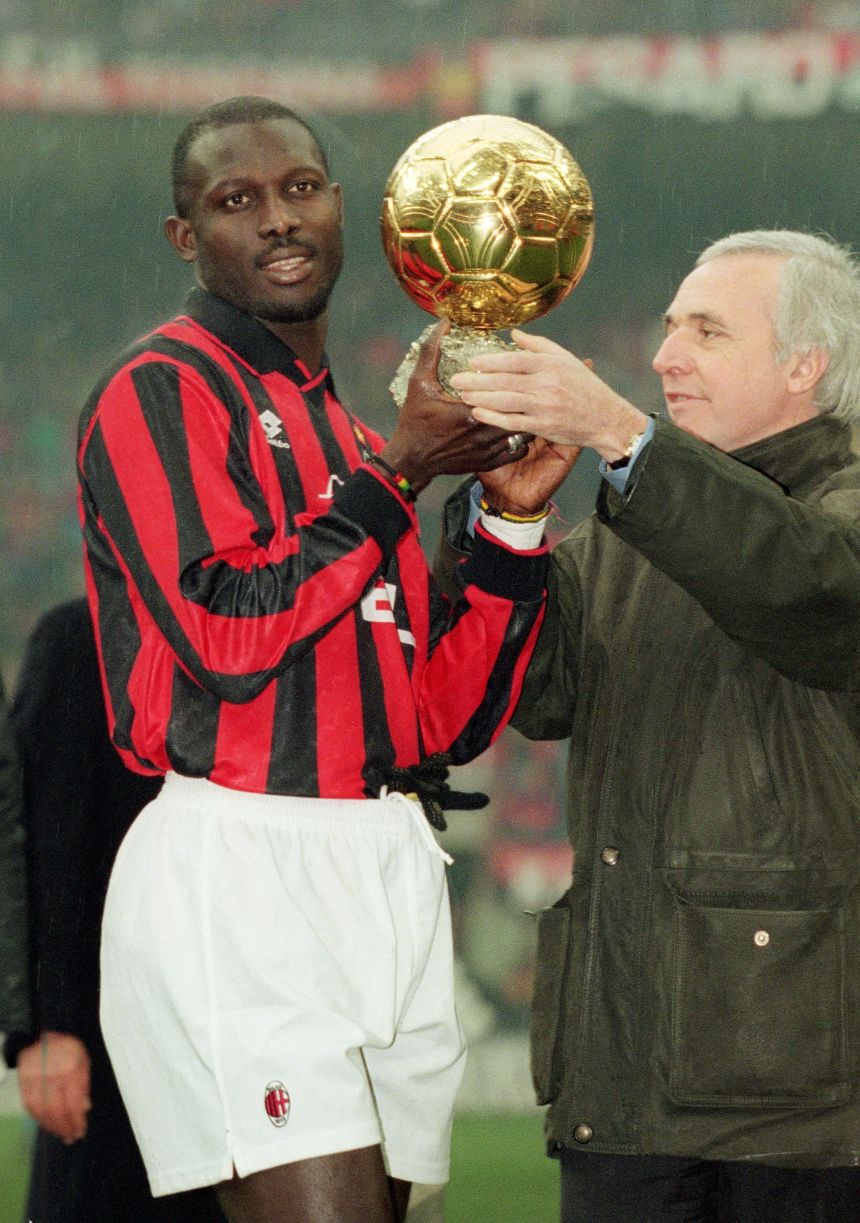
But the most notable exception in the history of the Ballon d'Or remains Liberian player George Weah, winner of the 1995 award, the only player from outside Europe and South America to have won it. Weah was born in a poor neighborhood in the capital, Monrovia, before rising to the pinnacle of European football through his brilliance with Paris Saint-Germain and AC Milan, followed by brief stints in England with Chelsea and Manchester City.
Weah is also the only African player to have won both the FIFA World Player of the Year award and the Ballon d'Or, during a professional career that spanned 18 years and ended in 2003.
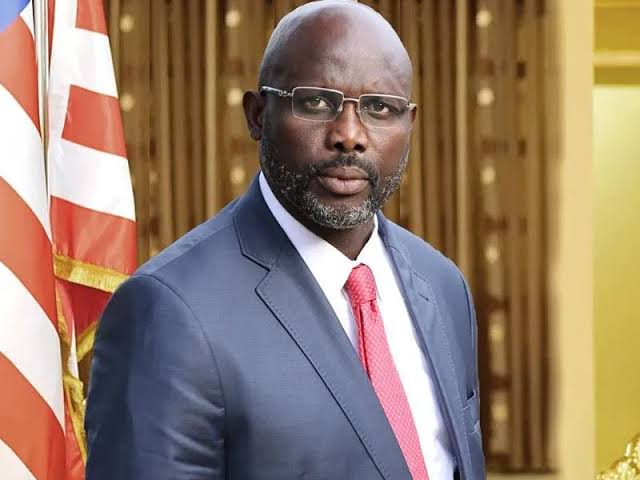
After retiring from football, Weah turned to politics, becoming a senator in Liberia, before being elected president of the country in 2017, after winning the general election against his rival Joseph Boakai with 61.5% of the votes, according to the National Election Commission.
Gold monopoly
Historical records of the award indicate that the Ballon d'Or did not directly recognize talents outside of Europe before Weah's win, as his crowning came in the first year that France Football magazine expanded to include players born outside the European continent, with limited exceptions such as Eusebio, who was born in Mozambique when it was a Portuguese colony, but who represented Portugal internationally.
History also shows that legends like Pele did not win the award despite their great achievements, as it went during his prime to Raymond Kopa, Joseph Masopust and Gerd Muller. Diego Maradona also did not win it despite leading Argentina to the 1986 World Cup title, in which Igor Belanov won the award.
This history had a clear impact on the weak representation of black players on the list of winners, as Eusebio and Ruud Gullit were among the few who won the award before Weah, before a number of stars such as Ronaldo, Zinedine Zidane, Rivaldo, Ronaldinho and Karim Benzema later joined the list.
Registration is done in multiple ways, quickly and with high skill.
On a technical level, George Weah is considered one of the most prominent strikers of the nineties, thanks to his ability to score in multiple ways, his speed and high skill. One of his most famous goals was the individual goal he scored with Milan against Verona in 1996, when he started from his penalty area, passing over a number of players before scoring.
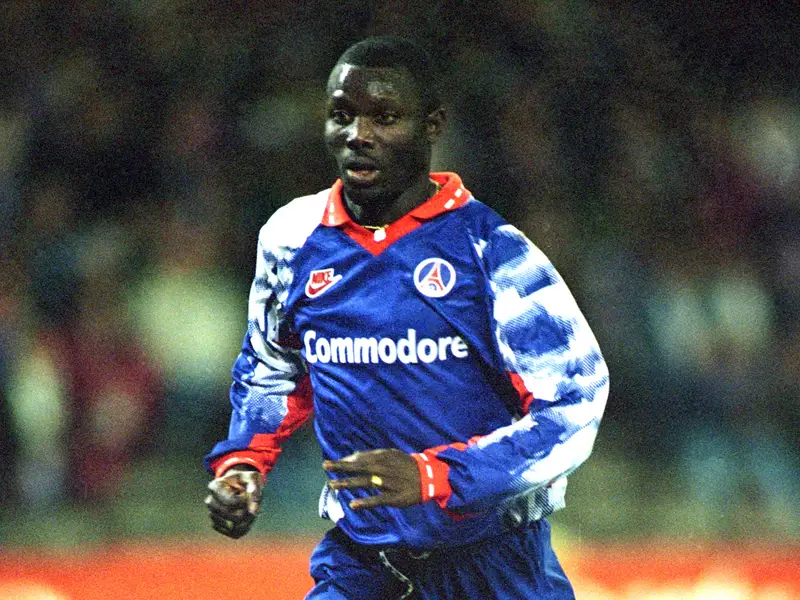
Weah began his European career with Arsène Wenger at Monaco in 1988, scoring 47 league goals in four years, before moving to Paris Saint-Germain, where he won the French league title in 1994 and was the top scorer in the Champions League in the 1994-1995 season, outperforming notable names such as Romario, Stoichkov and Litmanin.
In Milan, he continued his success by winning the Italian league twice, before having short stints in England with Chelsea and Manchester City, where he scored only four goals in the English league, but he did win the FA Cup with Chelsea.
He also contributed significantly to Paris Saint-Germain's European campaign, especially during a remarkable season in which the team triumphed over Bayern Munich and reached the Champions League semi-finals before losing to Milan.
Redefining the striker position
Internationally, Weah represented Liberia in the African Cup of Nations without qualifying for the World Cup, but he scored important goals, including one against Mali in 2002.
Several football stars agree on his great influence; Thierry Henry described him as one of the players who redefined the modern striker position, while Mario Melchiot confirmed that he was a distinctive personality on and off the field during his time at Chelsea, while Sean Gwater pointed to his humility and great influence within the dressing room.
George Weah's Ballon d'Or win is seen as a pivotal moment in the history of the award, both in terms of recognizing African talent and in reshaping the image of the global player in modern football.