Written by: Mohammed Omran
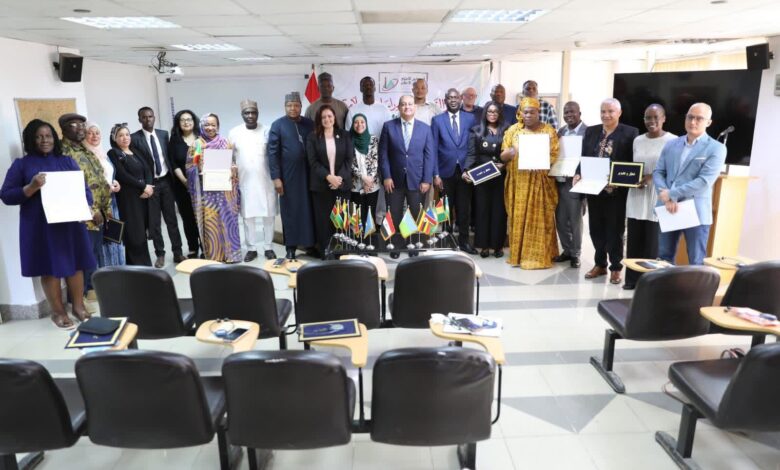
The Supreme Council for Media Regulation, headed by Engineer Khaled Abdel Aziz, concluded, in cooperation with Ministry of Foreign Affairs International Cooperation and Egyptians Abroad, the activities of the first training course for African media cadres, which was held at the headquarters of the Media Training and Studies Center of the Council, in the presence of Ambassador Wael Al-Najjar, Assistant Minister of Foreign Affairs for Cultural Relations, Counselor Reem Hindi, member of the General Secretariat of the Supreme Council for Media Regulation, and Professor Amal Abdel-Muttalib, Director General of the Media Training and Studies Center, in addition to a number of ambassadors of the participating African countries.
The Supreme Council for Media concludes a training course for media professionals from 15 African countries.
The session witnessed the participation of 15 media professionals representing the countries of Benin, Guinea-Conakry, Comoros, Democratic Republic of Congo, Mali, Zimbabwe, Namibia, Mozambique, Kenya, South Africa, Uganda, Djibouti, Nigeria, Rwanda, and Somalia.
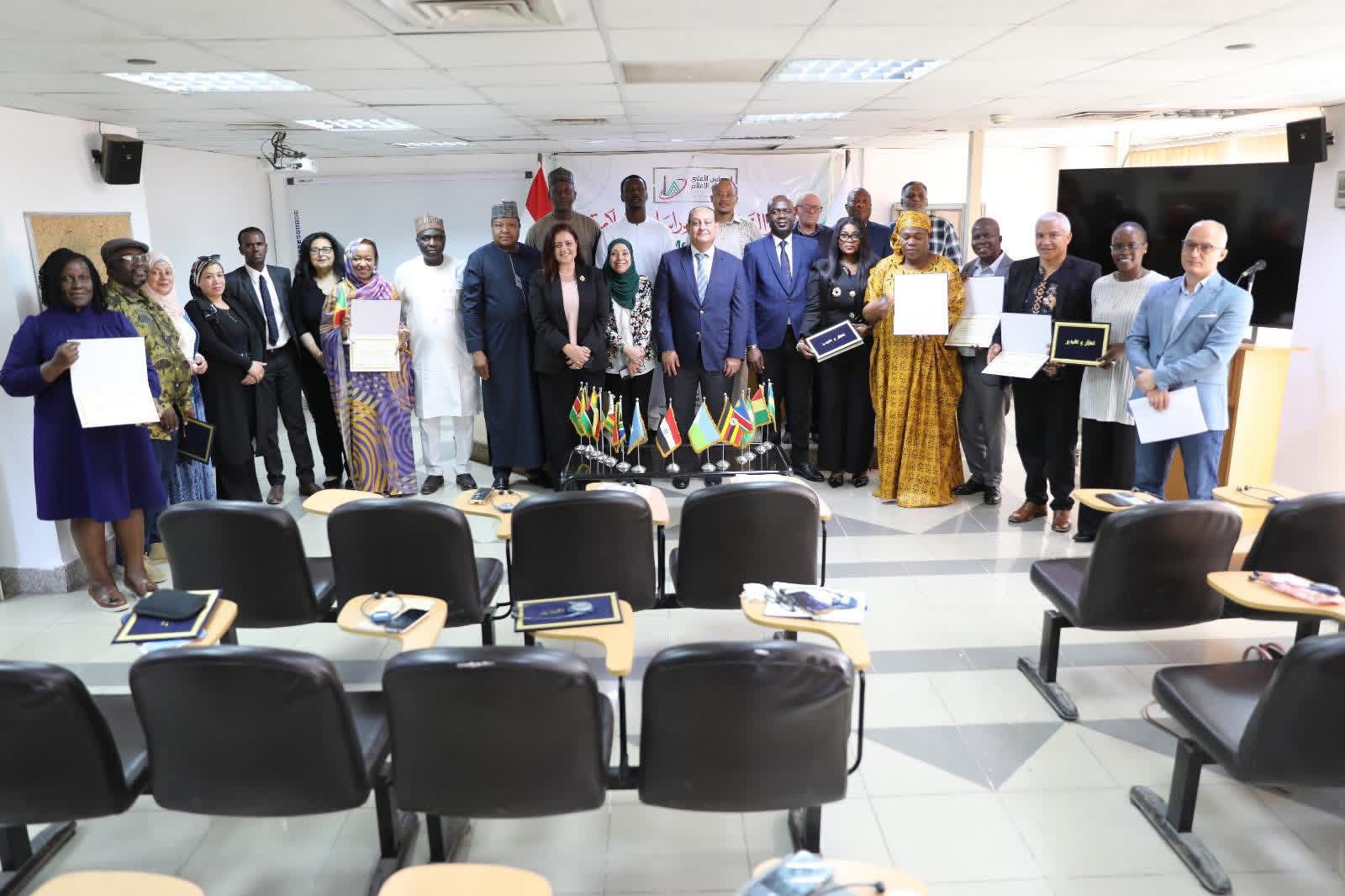
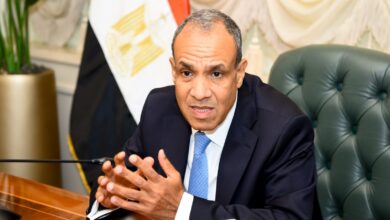
Ambassador Wael Al-Najjar stressed the importance of these courses in building the capacities of the sons of the African continent, transferring knowledge, and shaping a positive awareness among young people, in light of the rapid technological development and the speed of the exchange of information and news.
He also affirmed the Ministry of Foreign Affairs’ readiness to provide more support and increase the number of grants allocated to African journalists, in order to help them perform their noble media mission.
Advisor Reem Hindi affirmed the Supreme Council for Media Regulation’s commitment to providing various forms of support to ensure the success of these training initiatives, which will contribute to strengthening media cooperation with sister African countries.
The participants in the course expressed their appreciation to the Egyptian state for providing them with a distinguished opportunity for training and knowledge exchange, stressing that the experience was not limited to the exchange of professional experiences only, but also reflected the depth of the human and cultural ties that unite the African peoples.
The course activities extended over two weeks and included a number of specialized workshops and sessions that dealt with the topics of fourth and fifth generation warfare, communication skills, newsroom management, and artificial intelligence applications in journalism, with the participation of a select group of experts and specialists.
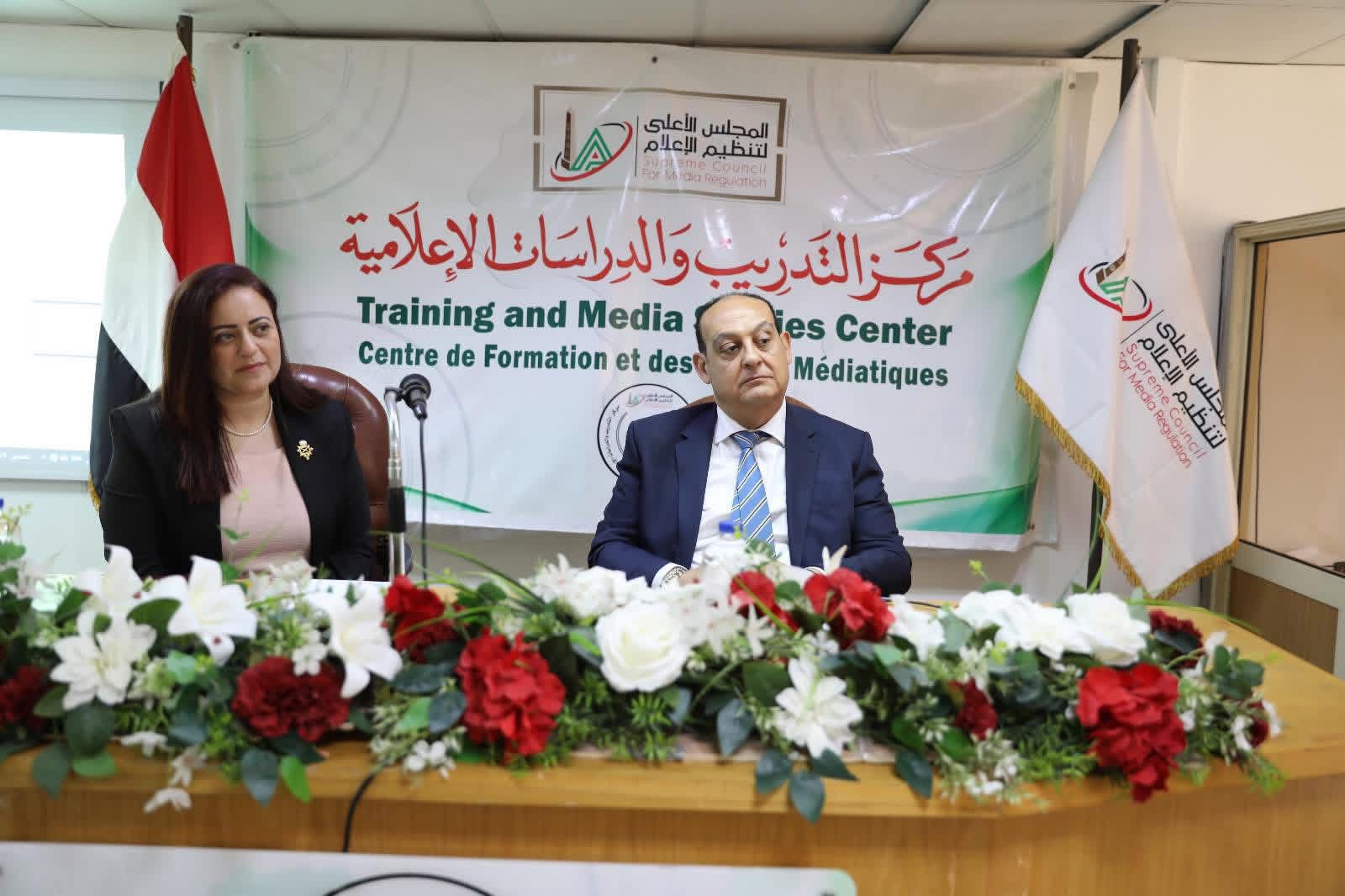
The program also included a visit to the Al-Azhar Observatory for Combating Extremism, where an extensive dialogue took place on coexistence, human rights, and the role of the media in spreading awareness, consolidating the discourse of moderation, and confronting extremism. In addition, there was a visit to the St. Mark's Cathedral in Abbassia, where His Holiness Pope Tawadros II received the participating delegation in an open meeting.
The training program also included a number of field visits to Media Production City, Cairo News Channel, the New Administrative Capital, and Al-Youm Al-Sabaa newspaper.
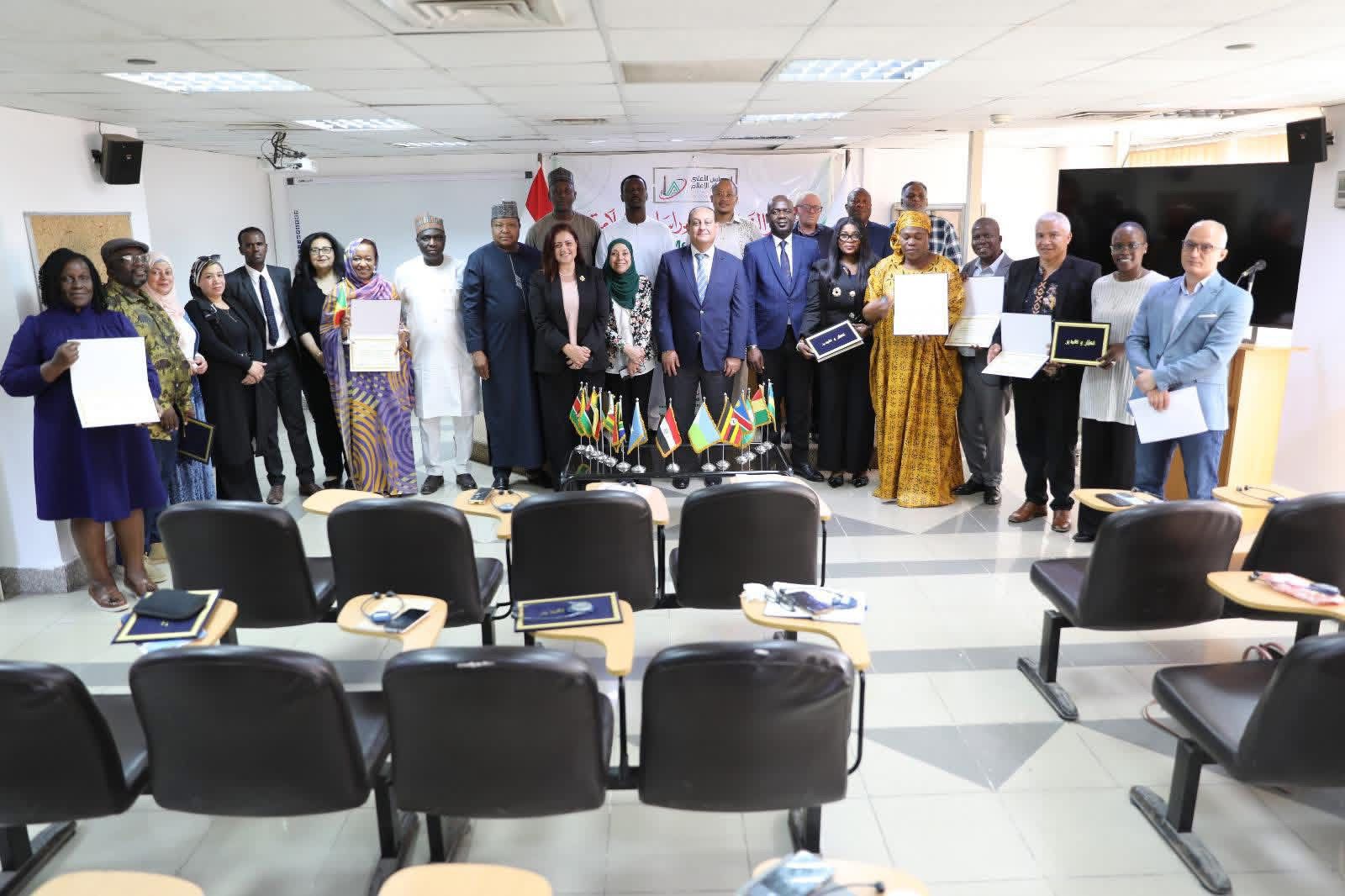
As part of learning about Egyptian cultural and civilizational landmarks, the delegation visited the Grand Egyptian Museum, the Pyramids area, the October War Panorama, the Library of Alexandria, Qaitbay Citadel, the Greco-Roman Museum, and Senghor University in Alexandria, where the participants met with Dr. Thierry Verdel, the university’s executive director.
The program concluded with a number of cultural and entertainment events, including a Nile evening that reflected the spirit of friendship and closeness between the participants and the host country.