Algeria and Chad sign 27 agreements for economic and security cooperation
Agreements between Algeria and Chad
Written by: Ayman Ragab
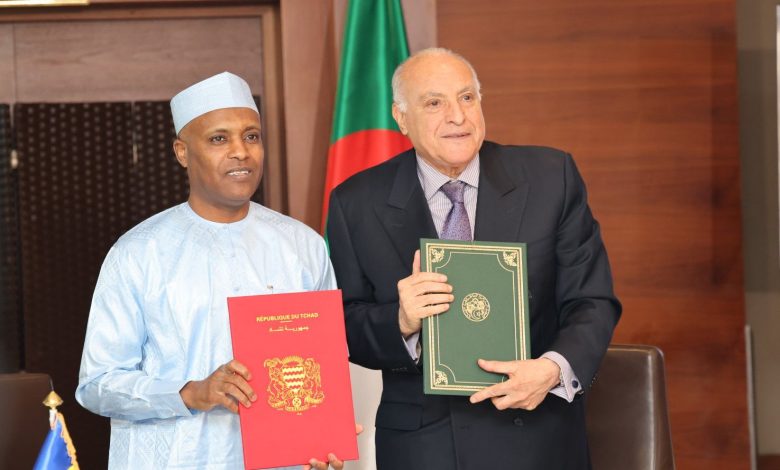
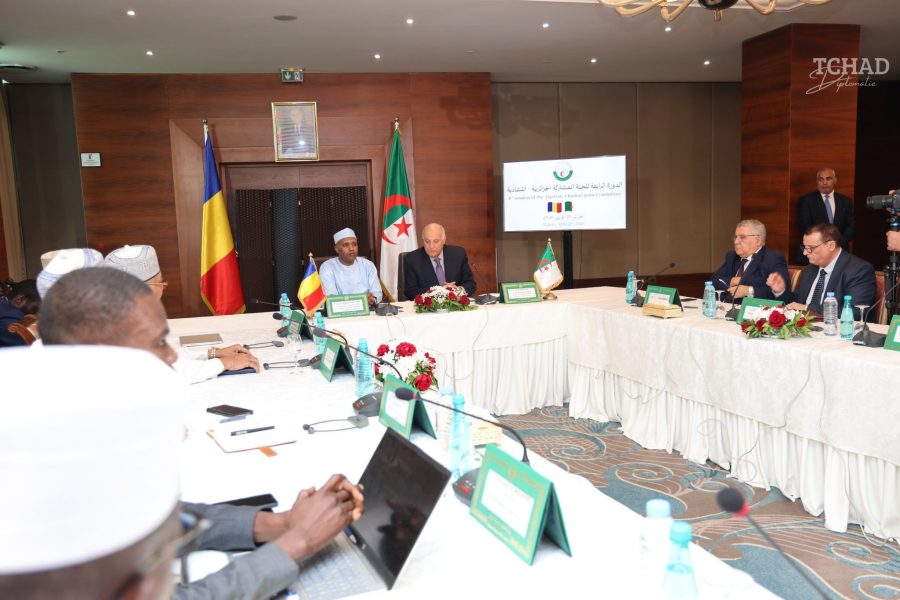
Algiers witnessed the signing of 27 economic and security cooperation agreements between Algeria and Chad during a meeting of the Joint Governmental Committee on Tuesday.
Regulating Algerian-Chadian relations
The Algerian-Chadian agreements cover many sectors.
The first focus is on strengthening the institutional framework for bilateral cooperation, with both parties agreeing to establish a bilateral mechanism for political consultations aimed at ensuring more regular dialogue between the two countries’ capitals.
It also offers activation Algerian-Chadian Business CouncilThe agreement, which was announced the previous day, was presented by the authorities of both countries as a tool aimed at strengthening partnerships between economic actors.
The second level relates to expanding the legal framework that regulates Algerian-Chadian relations, which resulted in the preparation of 27 new agreements in their final draft.
Energy and infrastructure
These texts cover a wide range of fields, from Energy and infrastructure To training, health and economic cooperation.
The stated goal is to provide a more solid, transparent and effective basis for cooperation between the two countries, in a context where Algeria seeks to strengthen its relations with Africa, particularly the Sahel region.
Hydrocarbons, renewable energy, and mining
The third level, which is presented as the most forward-looking, relates to identifying common priorities, and three main areas have been identified.
The first area relates to hydrocarbons, renewable energies and mining, with a particular focus on transferring expertise, developing skills and developing the natural resources available to both countries. This focus reflects Chad’s interest in Algeria’s experience in many industrial and extractive sectors, as well as its desire to integrate the partnership in sectors with strong potential for economic transformation.
The second aspect focuses on strengthening the structural link between the two countries. Discussions centered on consolidating air transport and advancing a number of key infrastructure projects, including the Trans-Saharan Highway and the Trans-Saharan Fiber Optic Network, and in particular on the port of Djendjen as a vital trade gateway for the Sahel and Sahara countries, especially Chad.
The third area focuses on higher education, scientific research, vocational training, human resource development, and health, in addition to media and cultural initiatives aimed at strengthening relations between the two peoples. Algeria emphasized the need to broaden the scope of the partnership beyond its economic and diplomatic dimensions, and to give it a deeper social and humanitarian dimension.