Ghana is betting on the sea and artificial intelligence: a huge British investment.
Accra's ambition to strengthen its economic position
Written by Omnia Hassan
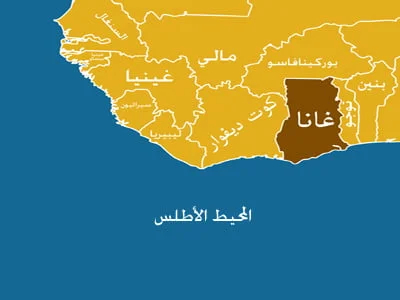
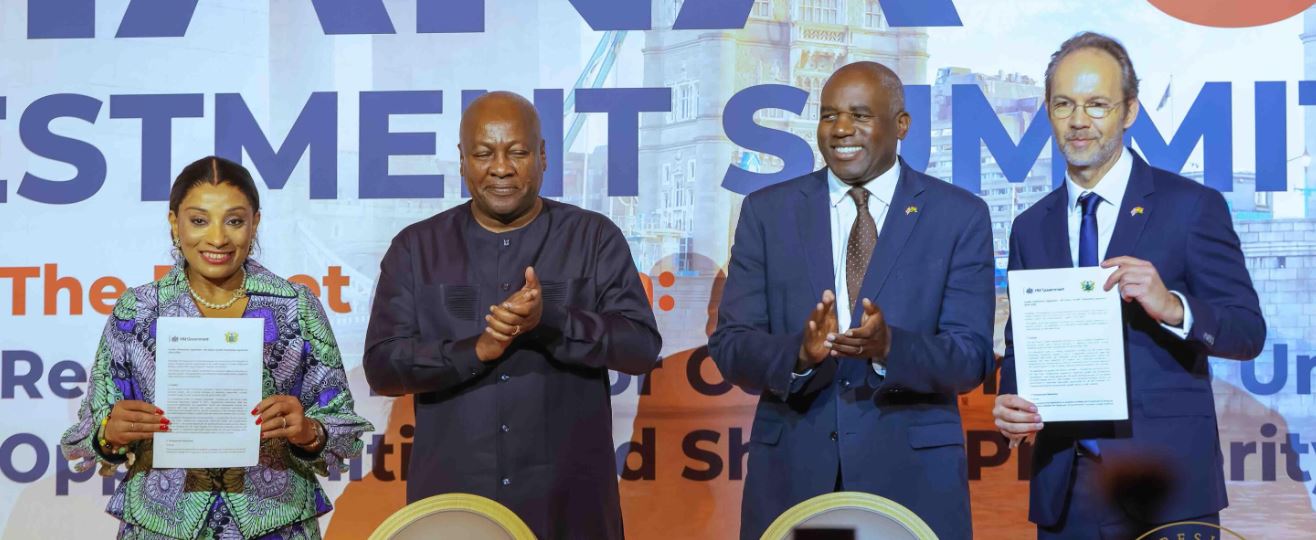
Ghana andUK A new £215 million growth partnership agreement, in a move that reflects Accra’s ambition to strengthen its economic position and transform into a regional hub for maritime services and modern technologies in West Africa.
Takoradi, a marine project, is changing the regional industry landscape.
The agreement is spearheaded by a £101 million project to build a floating dock and state-of-the-art ship repair facility in the coastal city of Takoradi. The project is expected to become the first integrated commercial ship maintenance and repair center in the Gulf of Guinea, one of Africa's most important and busiest shipping lanes.
The project aims to attract marine maintenance work that previously went to ports outside the region, giving Ghana the opportunity to benefit from the economic returns associated with the maritime shipping sector and offshore oil and gas services.
Job opportunities and enhancement of industrial capabilities
According to estimates, the project will provide approximately 430 direct job opportunities, with around 301 TP3T of them allocated to women, which reinforces the government's efforts to support employment and empower women economically.
The floating dock will also contribute to developing local industrial capabilities and increasing Ghana's competitiveness in the maritime services sector, as well as attracting additional investments to the national economy.
Diversifying the economy after years of challenges
This investment comes at a time when Ghana is working to overcome the repercussions of its financial crisis and restructure its external debt after defaulting in 2022, and the government is seeking to build a more diversified and sustainable economy, away from the traditional reliance on exports of gold, cocoa and crude oil.
President John Dramani Mahama affirmed that the agreement represents a roadmap for economic transformation, by focusing on infrastructure development, strengthening the role of the private sector, and raising the efficiency of the workforce.
Artificial intelligence, afforestation and healthcare
The partnership is not limited to the maritime sector, as it includes investments of £85 million for reforestation and forest restoration projects, in addition to £6 million to support Ghana’s national strategy for artificial intelligence and enhance research collaboration with British universities.
The agreement also includes a £4 million program to develop clinical engineering skills and improve the management and maintenance of medical equipment, in a move aimed at enhancing the efficiency of the health sector.
With trade between the two countries reaching approximately £1.6 billion, this partnership reflects a new trend towards long-term strategic investments that could make Ghana an African model for economic transformation based on innovation and value-added services.