Analysis of the "Ethiopian elections": Why are they the same as nothing?
Ethiopian elections
Written by: Ayman Ragab
Ethiopia went to the polls last Monday, in elections It is expected to bring Prime Minister Abiy Ahmed's Prosperity Party back to power, but it has been marked by instability, restricted voting, and questions about whether the vote can challenge the status quo.
Ethiopia’s National Electoral Board (NEBE) has announced that voting will not take place in 46 constituencies in the conflict-affected Amhara and Tigray regions due to instability and political tensions.
Ethiopian elections
He stated that eight areas in northwestern Amhara were experiencing “unfavorable conditions” due to clashes between armed groups and the army, while voting was also suspended in 38 areas in Tigray, where tensions remain high between the federal government and the Tigray People’s Liberation Front.
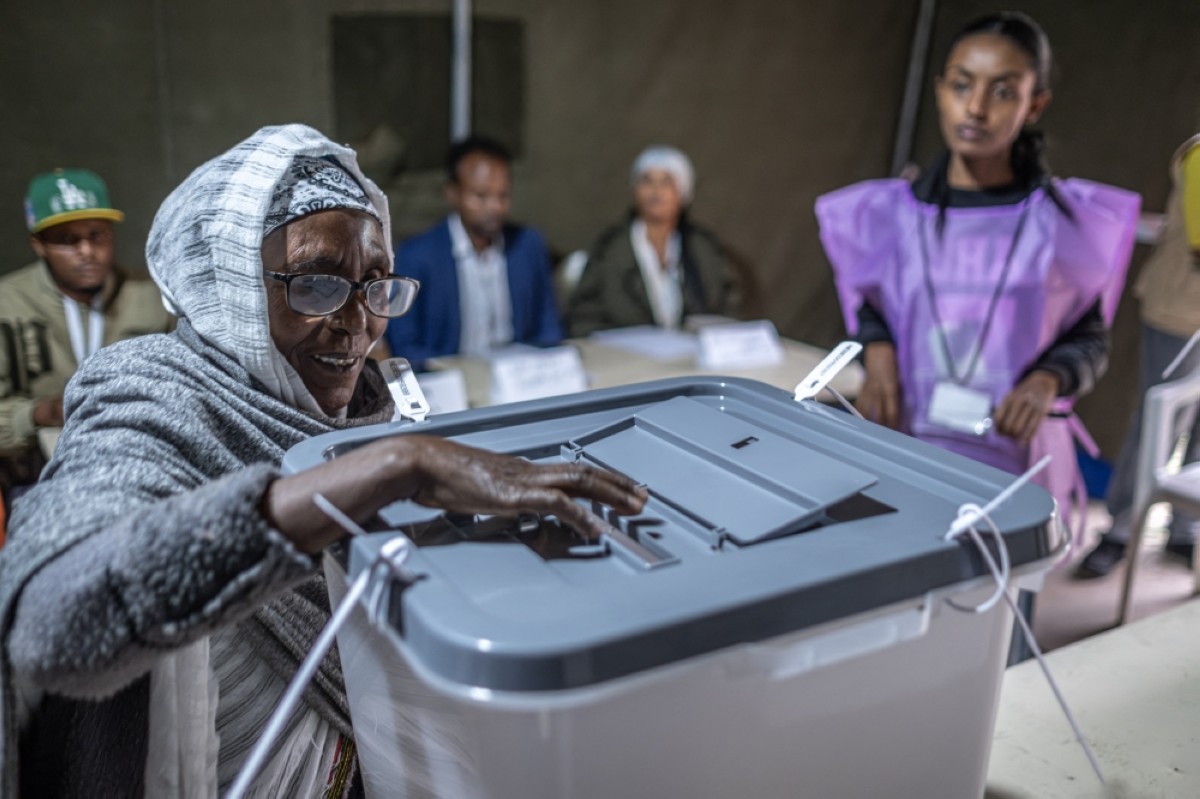
Earlier, the National Electoral Commission stated that “due to the circumstances that do not allow for the voting to take place on June 1, supplementary voting dates will be arranged.”.
The elections come at a time when many Ethiopians are focused on everyday issues such as inflation, jobs and security, rather than the election campaign.
A purely formal procedure
Surprising results are unlikely, and opposition figures and analysts say the vote will not pose a real challenge to the government.
“Elections in Ethiopia will be a purely formal procedure that gives the government electoral legitimacy… There is no way to change or challenge the government through elections,” according to Ketil Tronvoll, a peace and conflict researcher at the New University of Oslo College.
Voter apathy
Almost all elections since the overthrow of the brutal dictatorship led by Haile Mariam Mengistu in 1991 have ended with one party winning 90 to 100 percent of the parliamentary seats, often amid allegations of fraud.
"I don't think my voice will have a major impact on politics," said Tsfalim, a designer in the capital.
“The voice of the people has never changed anything… and I don’t think it will change anything this time either,” said Emmanuel, a teacher in the Oromia region.
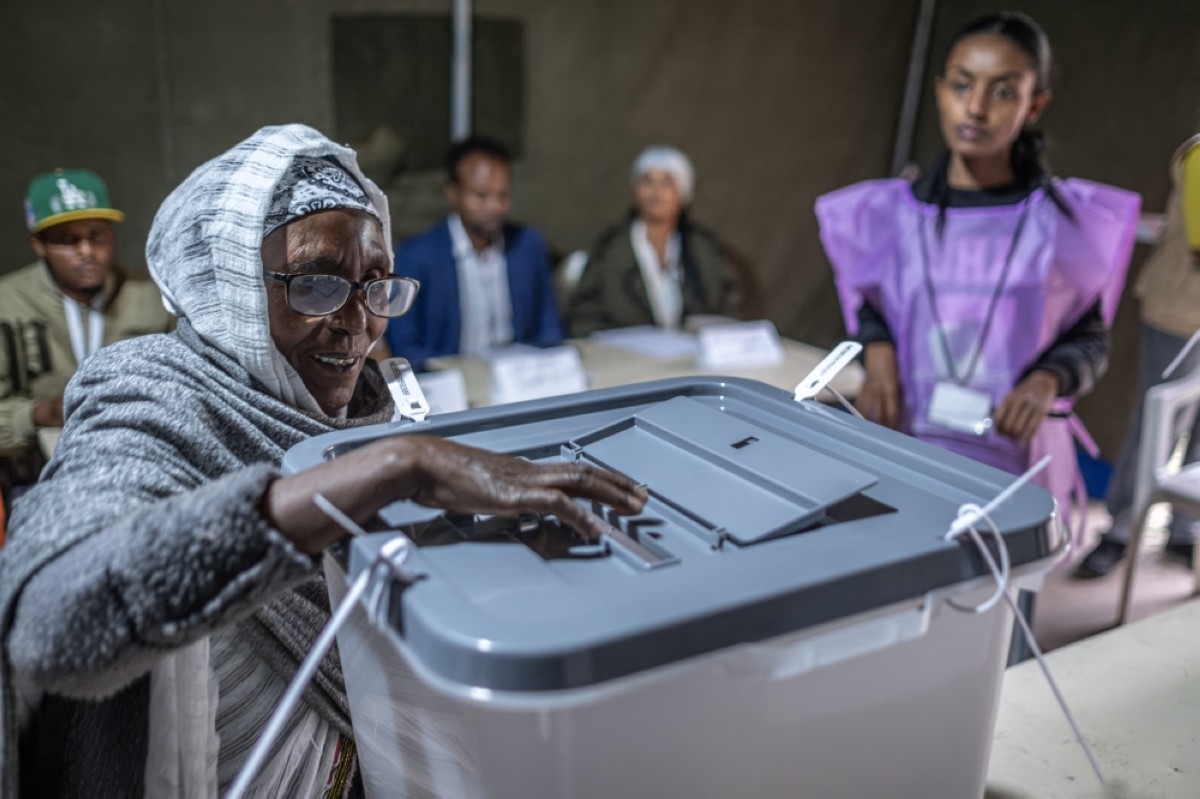
They only gave their first names for fear of reprisals, in a political climate that has grown increasingly harsh recently.
The election commission says there are a total of 47 registered political parties, with nearly 11,000 candidates and millions of registered voters.
But the ruling Prosperity Party won 96% of the seats in 2021, and is running unopposed in 64 of Ethiopia's 547 constituencies this time.
No serious competitors
There are about 40 opposition parties, but none of them are serious contenders. Even the largest, the IZMA party, has candidates running for fewer than 60% seats, hoping to increase its current number of four deputies.
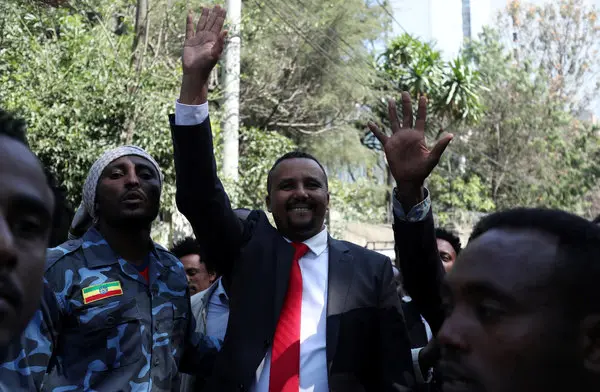
“Holding elections under these circumstances is essentially a ritual intended to show the international community that the government is elected every five years by the people,” Mirera Godina, head of the 11-member opposition parties committee, told Agence France-Presse (AFP).
The results are scheduled to be announced on June 11.