Malawi's First Lady praises Lions Club's humanitarian efforts
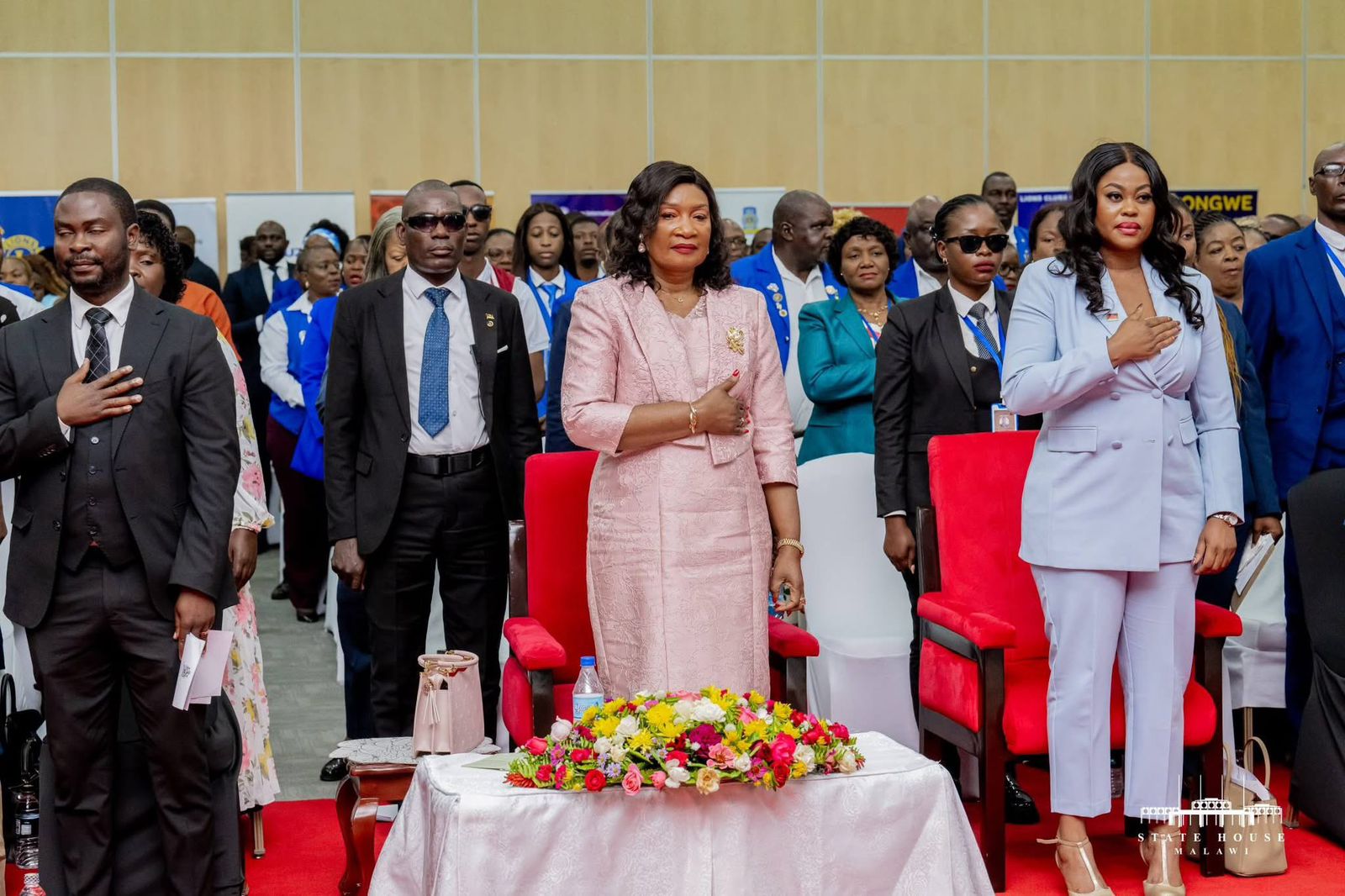
Opening of a regional conference in Malawi
Written by: Mohammed Omran
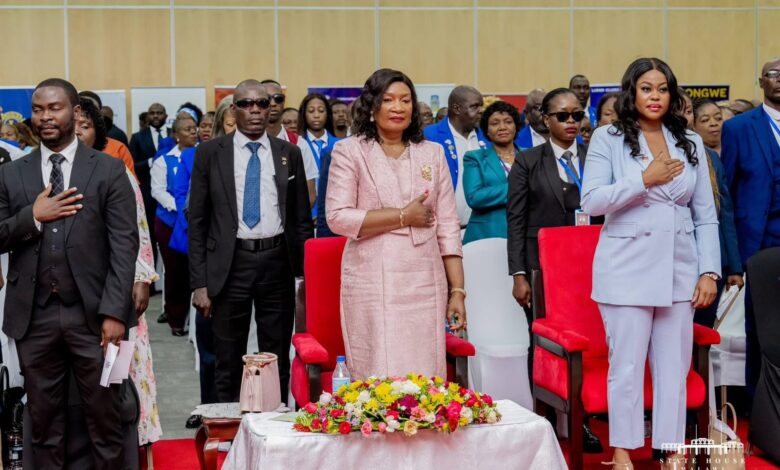
The First Lady of the Republic praised Malawi Gertrude Mutharika, during her speech at the Lions Club, praised the club's impactful humanitarian work in the country, noting that it reflects a spirit of solidarity and social responsibility.
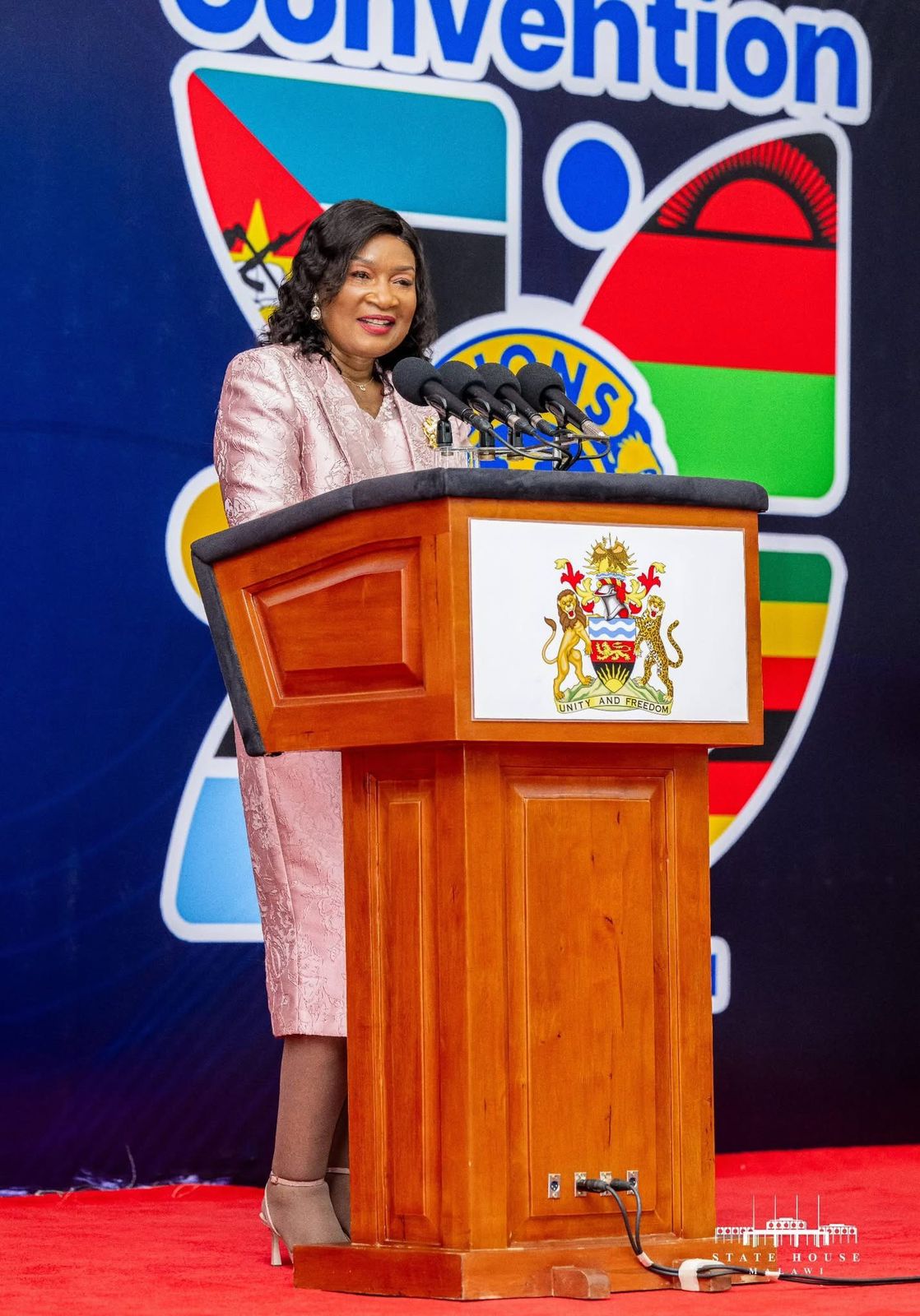
The First Lady praises the Lions Club's humanitarian efforts.
She stressed that these initiatives help alleviate the suffering of the most vulnerable groups and enhance the state’s efforts to improve health and humanitarian services, explaining that the continuation of these efforts in partnership with local and international institutions represents a fundamental pillar for achieving sustainable and comprehensive development in the country.
Mutharika noted that Lyons hospitals have restored sight to many, pointing out that they provided support to victims of the 2019 floods and Tropical Cyclone Freddy in 2023.
Opening of a regional conference in Malawi
She explained that there is no greater happiness than making a positive change in the lives of others, stressing that they not only provided assistance, but also hope, and their impact is great.
In the same context, Leon Victor Gondwe praised the First Lady for her efforts in supporting the “Beautifying Malawi (BEAM) Fund,” which is concerned with promoting environmental sustainability and public health.
Leon Hastings Chiti from Zambia said that Lions Clubs produce leaders who serve with integrity in both the private and public sectors.
This came during her remarks at the opening of the Lions District 421 conference. ، Today, Friday, at the Sunbird Livingstonia Beach International Convention Center in Salema.
In a separate context, the Minister of Information and Communications Technology of Malawi, Dr. Shadrick Namalumba, delivered the closing address at the “Connected Africa 2026” summit, where he presented a ministerial statement for 2026, entitled “Uniting Africa’s Innovation for an Inclusive Digital Marketplace.”.
The Minister of Information and Communications Technology in Malawi called on African countries to move from the stage of political discussions to the stage of practical implementation of digital transformation, explaining that the ministerial statement, which will be submitted to the African Union Commission for consideration, includes a set of continental commitments aimed at accelerating digital transformation in the continent and enhancing integration between African markets.
The Malawian minister’s participation in the summit came as part of regional efforts to promote digital cooperation among African countries and accelerate the transition towards an integrated and inclusive digital economy.