Kenya raises minimum wage by 15% for agricultural workers
12% Increase in general wages

Written by Ziad Abdel Fattah:
The Kenyan government has officially approved wage adjustments for all Kenyan workers, after signing legal notices that activate a 12% increase in the general and agricultural minimum wage.
Kenyan Labor Minister Alfred Mutua recently announced that the new wage changes will directly affect the income of employees in various sectors, and the new structure is expected to be published in the Official Gazette soon.
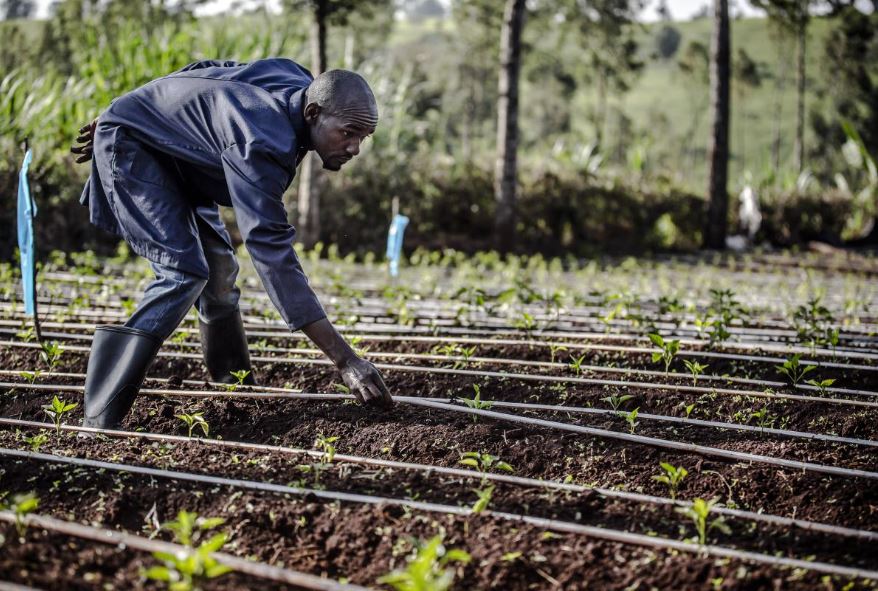
Mutua said in a statement that two legal notices had been signed ordering an increase in general wages by 12% and wages for agricultural workers by 15% on the occasion of Labor Day.
Mutua explained that this step comes within the government’s broader plan to improve workers’ incomes and alleviate the burden of the high cost of living on Kenyan citizens.
The finance minister noted that the revised wage structure will guide employers in reviewing salaries and updating payroll systems in accordance with their human resources policies, which will result in changes to pay slips.
Mutua added that these amendments set the new minimum wage in various sectors and will guide the private sector in reviewing employee wages in accordance with its human resources policies.
Once the new wages are published in the Official Gazette, employers in the public and private sectors are expected to adjust their employees’ salaries in accordance with the new wage structures.
An example of wage adjustment in Kenya

For example, if an employee is currently paid 50,000 Kenyan shillings, a 12% pay increase would mean an additional 6,000 Kenyan shillings, bringing their adjusted salary to 56,000 Kenyan shillings.
Mutua's announcement follows President William Ruto's directives on the occasion of Labor Day on May 1, and the notices have been referred to the Attorney General's office for publication in the Official Gazette.
During the national event held in Vihega County, the President announced a 12% increase in the general wages of Kenyan workers, and a 15% increase for those working in the agricultural sector.
The increase does not include all employees.
Opinions varied regarding the proposed wage increase, with the Federation of Employers in Kenya (FKE) stating that employers would only adjust the minimum wage, not the overall wage, despite President Ruto's directives.
Jacqueline Mogo, chief executive of the Kenya Employers Federation, said on May 4, 2026, that the changes would follow existing laws relating to the minimum wage, denying claims that the 12% increase included all workers.
In contrast, Francis Atoli, the general secretary of the Congress of Kenya Trade Unions (COTU), opposed the Kenya Employers' Federation's position, accusing it of misrepresenting the directives.
He explained that the 12% wage increase announced by President Ruto is a general adjustment aimed at improving workers' wages in light of rising living costs, and will come into effect as soon as it is published in the Official Gazette by the Ministry of Labor.