Minister of Water Resources: Building human capacities is one of the pillars of the second generation of the water system
A package of training programs and activities
Written by Omnia Hassan
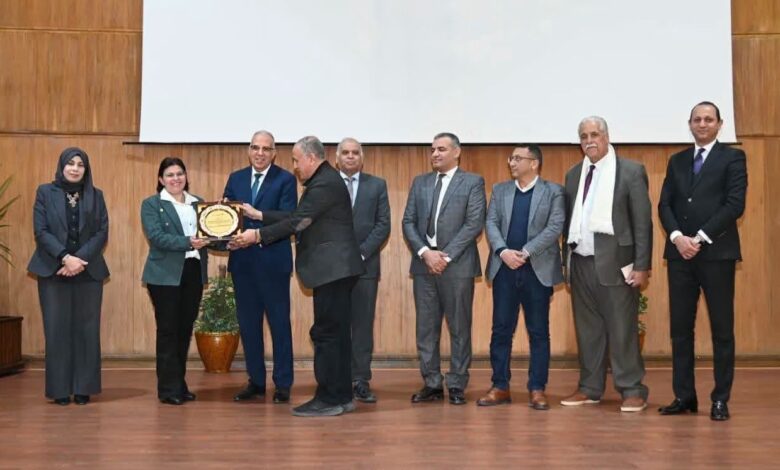
Dr. Hani Sweilem, Minister of Water Resources and Irrigation, received a report from Dr. Salwa Abu El-Ela, Head of the Regional Training Center for Water Resources and Irrigation, regarding a package of training programs and activities implemented by the center, within the framework of its efforts to build capacities and enhance regional and international cooperation.
Utilizing the water hyacinth plant in Al-Shaqr village, Beni Suef Governorate
The report explained that the activities included implementing the regional training program for the design, installation, calibration, operation and maintenance of hydrometric networks, holding the first meeting of the General Assembly of Water Users Associations, in addition to implementing the procedures of the cooperation protocol between the Ministry of Water Resources and Irrigation and the Ministry of Education and Technical Education to establish five technical technology schools to prepare second-generation technicians in the field of water resources management, which supports capacity building and the qualification of specialized technical personnel, and presenting the experience of benefiting from the water hyacinth plant in Al-Shaqr village in Beni Suef Governorate.
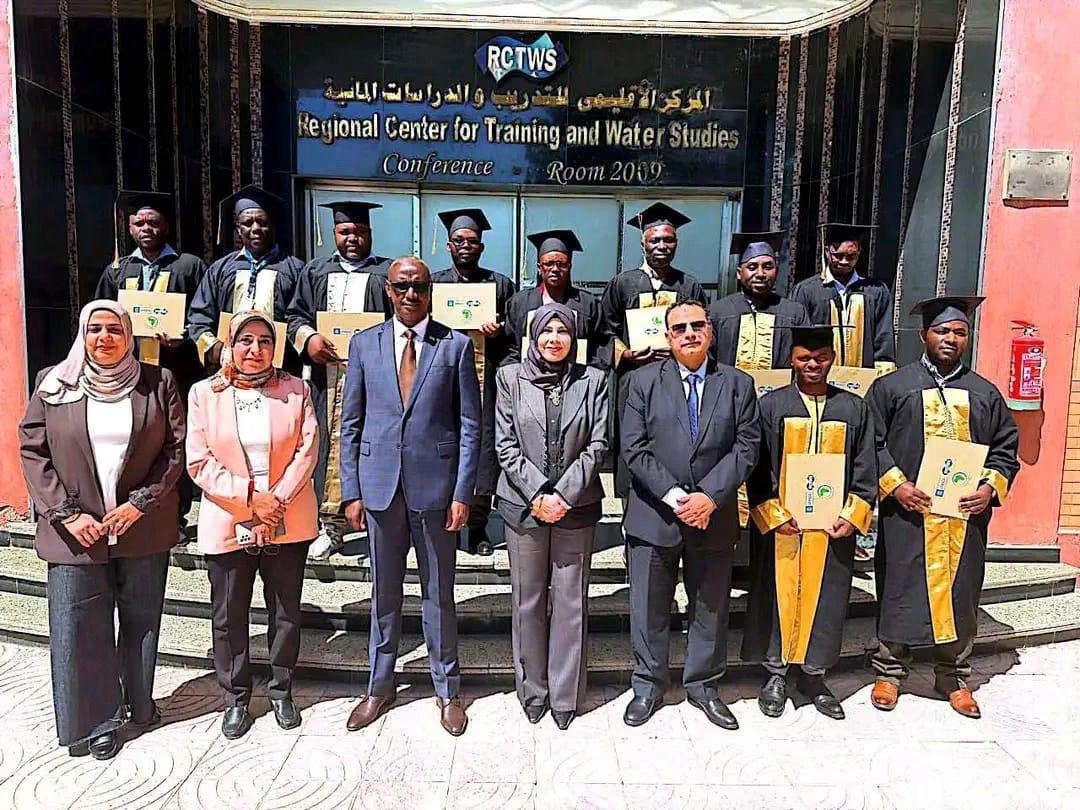
The activities also included the implementation of a number of training programs through the center’s educational platform, including the “African Water Ambassadors” program – second edition, the second level of data analysis within the advancement courses, the “Socio-Economic Transformation through Water” program in cooperation with UNESCO, in addition to the HELP2.0 Integrated River Basin Management webinar in cooperation with UNESCO-IHP.
The report added that these activities targeted trainees from several African countries, in addition to employees of the Ministry of Water Resources and Irrigation and representatives of civil society, which enhances the center’s role as a regional platform for capacity building and exchange of experiences in the field of water resources management.
Dr. Sweilem emphasized that these activities reflect the Ministry’s interest in implementing the second generation axes of the Water System 2.0, which include human capacity development, digital transformation, reliance on scientific research and innovation, and strengthening cooperation with regional and international partners, in order to support the sustainable management of water resources and keep pace with future challenges.
He emphasized the importance of continuing to implement the training regulations that were adopted through their dedicated application, enabling ministry employees to identify the most suitable training programs that align with the nature of each employee's work within the water system, as well as monitoring the achievement of the required number of training hours for promotion between different job grades.
He added that the ministry attaches special importance to raising the efficiency and building the capabilities of employees through the implementation of training regulations and linking them to the career path, which contributes to preparing cadres capable of keeping pace with the requirements of institutional development and achieving the state’s objectives in the water sector.
Dr. Sweilem directed the continued development of the training system at the Regional Training Center for Water Resources and Irrigation, and the expansion of the implementation of specialized training programs, in order to enhance the center’s role as a distinguished regional center for capacity building and transfer of expertise, especially to African countries, while continuing to keep pace with the latest global practices in the field of water resources management.