Addis Ababa council approves draft budget of 502.3 billion birr
71% of it is directed towards development and poverty reduction.
Written by Ziad Abdel Fattah:
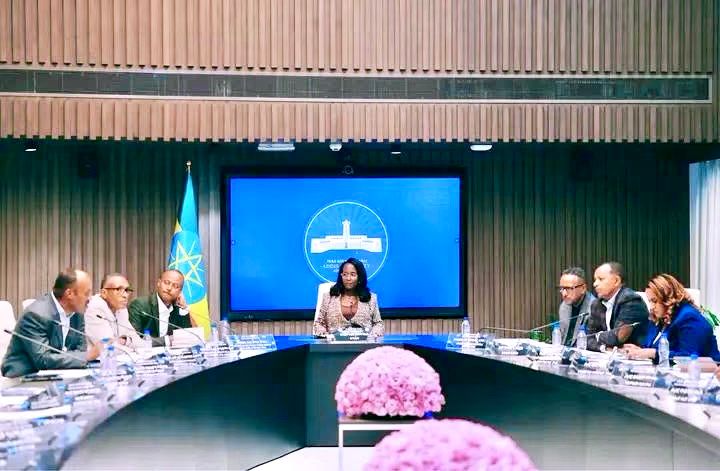
The Addis Ababa City Council held its twelfth regular meeting of the fifth year, where it discussed a number of strategic issues and made important decisions, most notably the approval of the project. fiscal year budget The Ethiopian 2019 project, valued at 502.27 billion birr, was referred to the City Council for final approval.
The council stressed that the new budget focuses on implementing urban development priorities, reducing poverty, improving basic services, and supporting infrastructure projects, including roads, water, housing, sanitation, transportation, and fire and disaster prevention.
Allocating 71% of total spending to sustainable development programs
According to the decisions taken, 71% of the total spending was allocated to sustainable development and poverty reduction programs, while 29% was allocated to administrative and operational expenses.
The council also discussed a study on the potential for developing the city's revenues, and directed that further consultations be conducted with the relevant authorities to develop it, in addition to adopting regulatory bylaws relating to the evaluation and qualification of civil service employees, municipal service fees, and the allocation of land for projects of national importance.
The decisions reflect the capital's administration's direction towards promoting economic development, improving public services, and raising the efficiency of urban management during the next fiscal year.
In another context, the Ethiopian capital Addis Ababa is witnessing a remarkable urban transformation as part of efforts to redevelop urban areas and enhance the quality of life, with the Arada Park project emerging as an integrated model reflecting a new vision towards sustainability and transforming the city into a more attractive destination.
After the Arada area was considered one of the marginalized neighborhoods suffering from neglect and lack of security, it witnessed a radical transformation that reshaped its features, so that today it has become a modern urban space that provides a safe environment and a civilized outlet for the residents.
Those in charge of the project emphasize that this transformation reflects a strategic direction to revive old areas and turn them into vibrant centers.
The project is part of a comprehensive plan to rehabilitate urban infrastructure and improve the level of services, while creating sustainable environments that support economic and social growth.
It also contributes to strengthening community belonging by providing equipped and safe public spaces that allow citizens to practice various activities in a healthy environment.