The exotic animal trade threatens wildlife and ecological balance in Kenya.
Serious regulatory gaps in Kenya's wildlife trade
Written by: Mohammed Omran
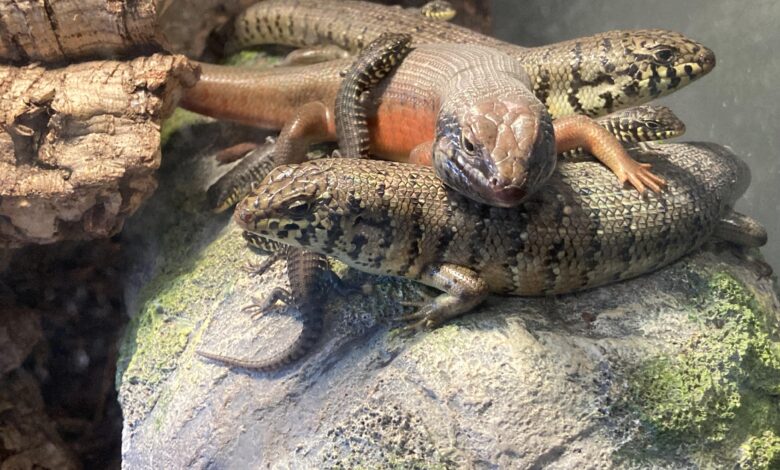
Kenya is witnessing a significant increase in trade wildlifeThis is especially true for reptiles that are bred in captivity and exported as exotic pets to global markets, amid growing warnings from animal protection organizations about the impact of this trade on biodiversity and the sustainability of wild species.
A recent report revealed that the number of animals traded has increased significantly over the past decade, raising concerns about regulatory gaps that could threaten the ecological balance and wildlife in the country.
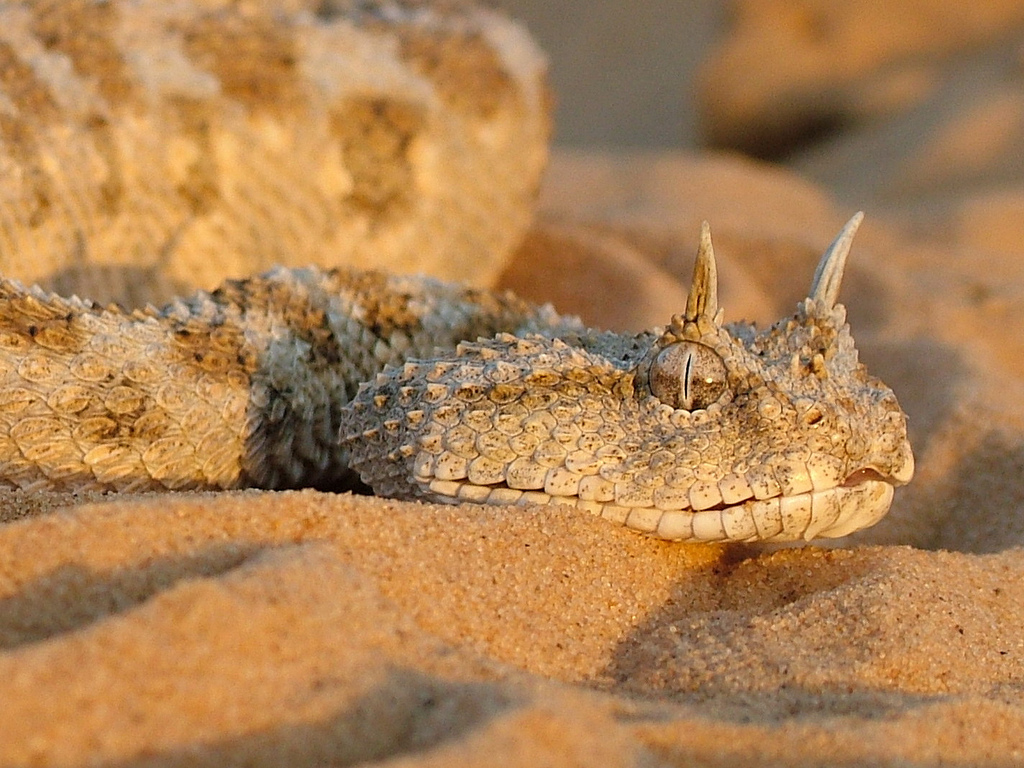
The report from Animal Welfare Worldwide explained that Kenya’s commercial wildlife trade has expanded sharply over the past decade, with a tenfold increase in the number of captive-bred reptiles exported as exotic pets. Although the trade is legal, 77 percent of the traded species have seen their numbers decline in the wild, raising concerns about sustainability.
The report, which analyzed Kenyan data from the Convention on International Trade in Endangered Species of Wild Fauna and Flora (CITES), stated that the trade in live reptiles rose sharply from 8,551 in 2013 to 86,330 in 2023.
The report noted that the total number of live animals traded during the same period exceeded 870,000, describing Kenya as “a supplier of increasing importance to the global luxury pet and wildlife markets.”.
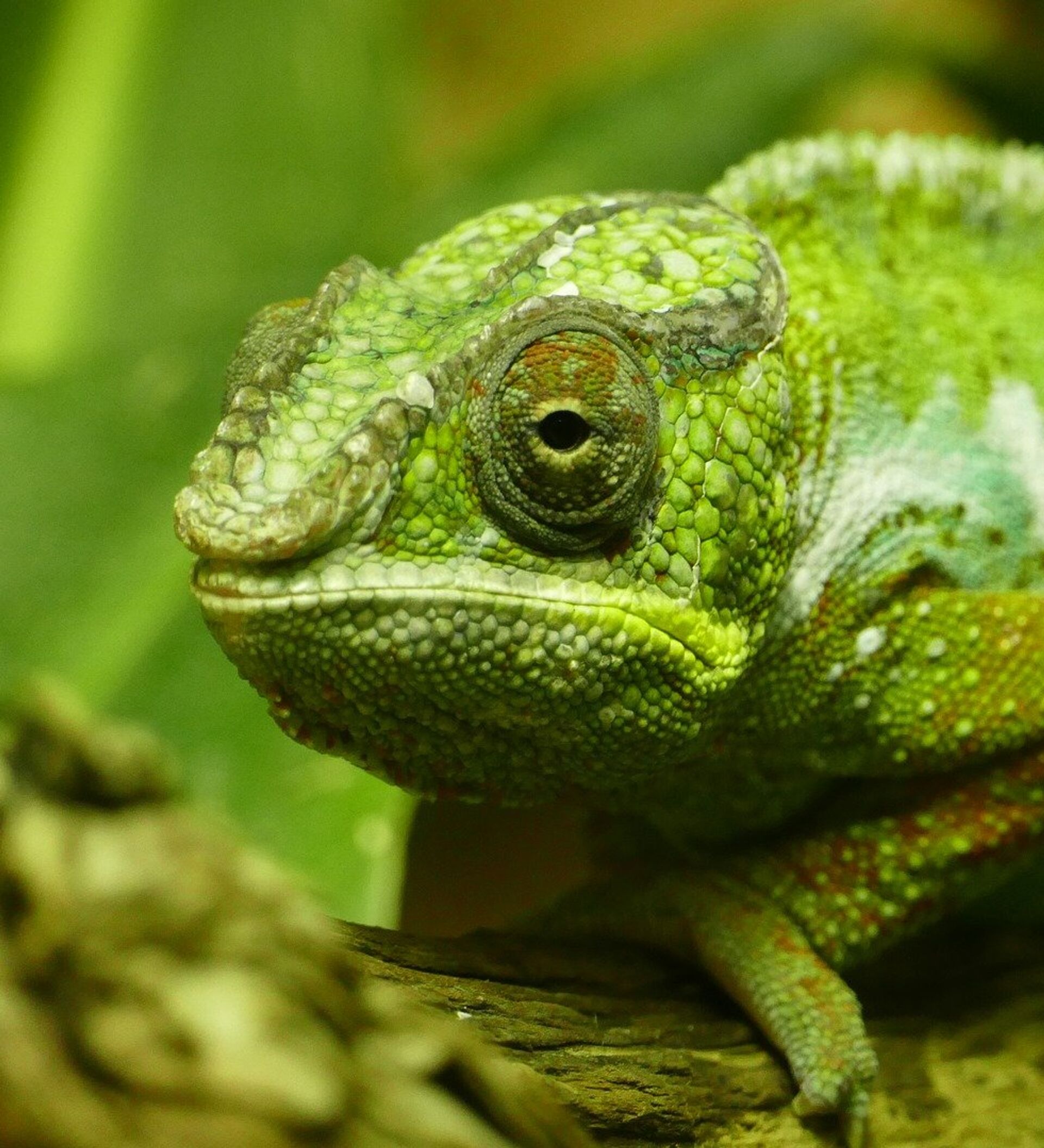
The wildlife trade is a multi-billion dollar global industry involving millions of animals each year. According to the report, the most traded reptiles in Kenya include chameleons and turtles, with the largest markets in Germany, the United States, Japan, Hong Kong, Indonesia, Taiwan, Thailand, and Spain.
In 2013, Kenya adopted the Wildlife Conservation and Management Act to regulate captive animal breeding and address the booming poaching.

But Patrick Mwendy, lead researcher at the World Animal Protection organization, said there are loopholes in the law and significant gaps in monitoring.

Mwendi told AFP that the increase in trade is extremely worrying, as it reflects a system that treats conscious living beings as commodities rather than as living beings.
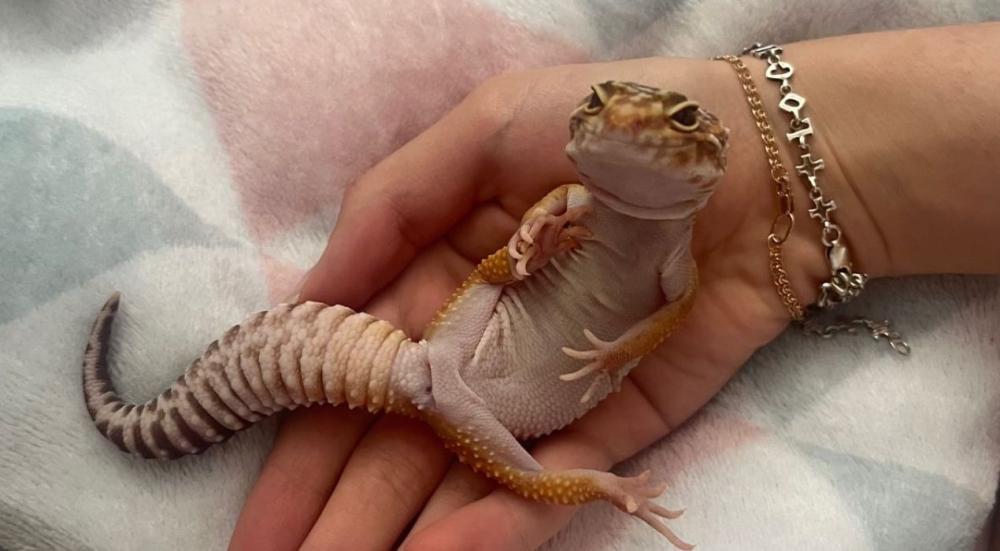
He added that the animals usually come from overcrowded and unsanitary breeding farms that also pose risks to public health.
The report also highlighted discrepancies between the figures of exporters and importers, as the fate of more than 84,000 leopard tortoises and more than 30,000 chameleons of two different species remained undetermined.

In this context, Tennyson Williams, the regional director of the World Animal Protection organization, explained that legal trade does not necessarily equal sustainable trade, saying: “If you continue to extract wildlife from its source, you are likely to deplete that source, and this will create an imbalance in the ecosystem,” stressing that the organization opposes both legal and illegal wildlife trade.